On July 24, 2026, the World Health Organization's Regional Office for Europe (WHO/Europe) advised that adults apply approved mosquito repellent to young children, keeping it off their hands and away from their eyes and mouth. It paired repellent with long clothing, window screens, mosquito nets over beds and baby carriers, and removal of standing water.
The advice does not establish one worldwide minimum age. US Centers for Disease Control and Prevention (CDC) guidance dated December 2, 2024, says not to use repellent on babies younger than two months, while Health Canada says DEET and icaridin should not be used on infants younger than six months. The country where a product is sold and its authorized label determine whether it is an option for a particular child.
Breathing trouble or reduced responsiveness needs emergency care
Call the local emergency number if a baby develops sudden swelling of the lips, mouth, throat or tongue; fast or difficult breathing; trouble swallowing; fainting; or unusual limpness or reduced responsiveness after a bite or sting. England's National Health Service (NHS) identifies those changes as possible signs of a serious allergic reaction requiring immediate hospital treatment.
Prompt clinical assessment is also warranted when redness or swelling spreads quickly, the skin becomes hot and increasingly painful, pus appears, a high temperature develops or symptoms continue to worsen. England's NHS separately advises medical review for any insect bite or sting in a child younger than one year; access routes and thresholds outside England may differ.
Age cutoffs are jurisdiction-specific
Canada applies a different schedule. Health Canada says no DEET or icaridin below six months; from six months to two years, Canadian guidance permits DEET up to 10 percent no more than once a day. That concentration and frequency are Canadian rules, not instructions for products sold elsewhere.
APPI News could not find a WHO pediatric table assigning one minimum age and concentration to every repellent across all markets at the time of writing. If an authorized label does not clearly include the child's age, physical barriers remain the default while a local pharmacist, pediatric clinician or travel-health service checks the exact product and exposure risk.

The active ingredient identifies the product
The WHO's August 21, 2025, dengue fact sheet lists N,N-diethyl-m-toluamide (DEET), picaridin and IR3535 among repellents used to reduce mosquito bites. The US CDC notes that picaridin is also called icaridin outside the United States. Inclusion on those lists does not authorize every formulation for every age.
Concentration mainly changes protection time. The American Academy of Pediatrics (AAP) gives examples of about two hours for 10 percent DEET and about five hours for 30 percent DEET. Those estimates do not replace the reapplication interval on the local product label.
Neither a plant source nor a "natural" label establishes infant safety or effectiveness. The AAP says many unregistered products made with citronella, geranium, peppermint or soybean oil provide only short protection, may irritate skin and have not been approved for effectiveness by the US Environmental Protection Agency.
Application controls eye and mouth exposure
The US CDC says an adult should apply repellent to a child, avoiding the hands, eyes, mouth, cuts and irritated skin. For the face, the adult puts the product on their own hands first and then applies it, rather than spraying the child's face.
Repellent belongs only on exposed skin or on clothing when the label allows it, not under clothing. When sunscreen is also needed, the US CDC advises applying sunscreen first and repellent second, then reapplying repellent as directed on its label.
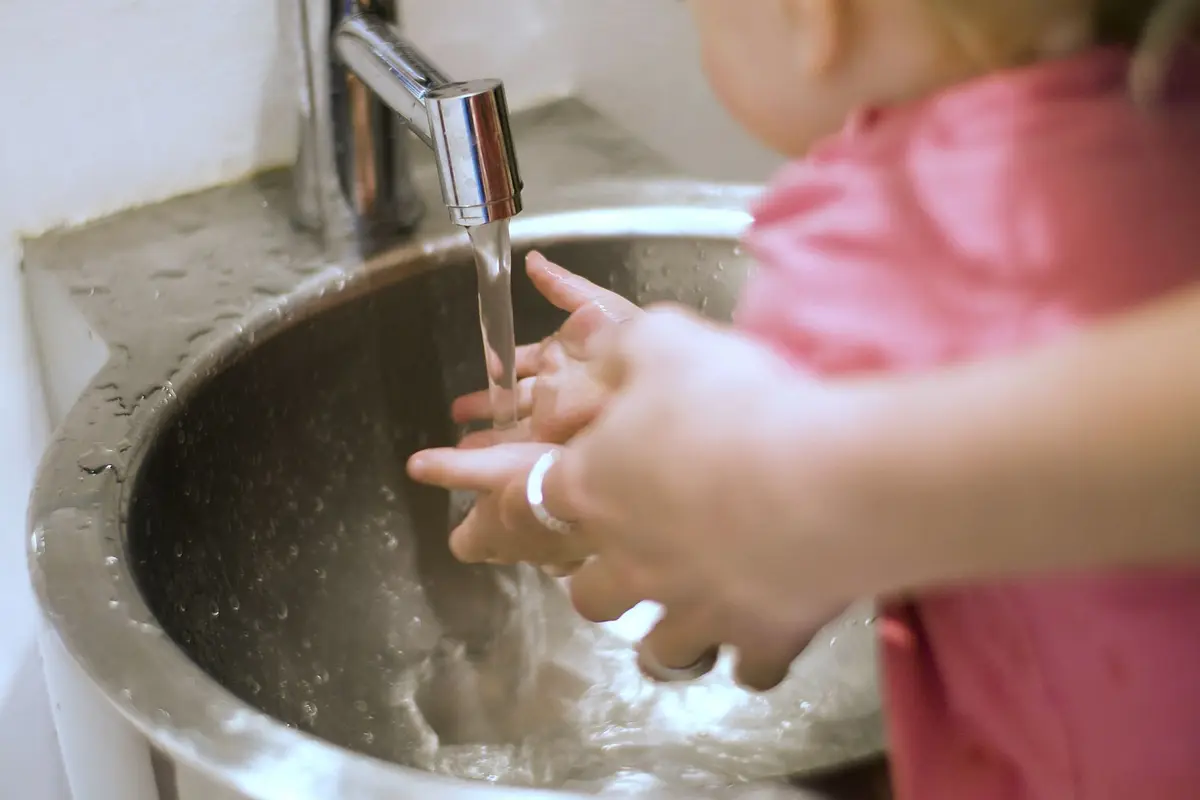
The AAP advises washing treated skin with soap and water after the child returns indoors, washing treated clothing before it is worn again and keeping repellents out of young children's reach. Those steps reduce accidental swallowing and eye exposure.
After a bite, start with skin care rather than an adult cream
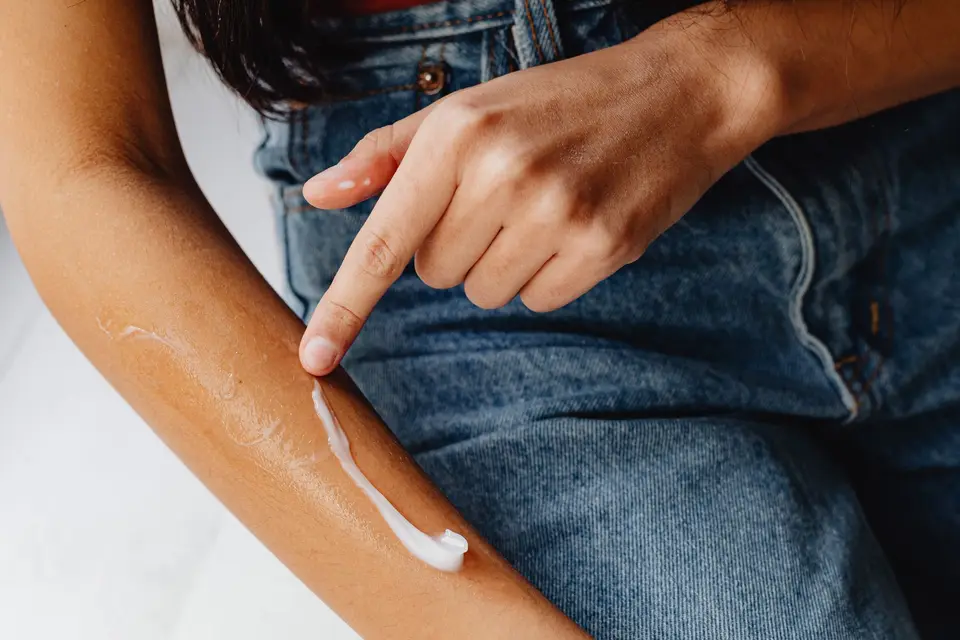
APPI News could not verify one WHO or cross-market age rule for menthol, camphor, methyl salicylate, antihistamine or corticosteroid after-bite creams at the time of writing. Formulations and authorization differ by country, so an adult product or an online recommendation does not establish that a cream is suitable for an infant; a local pharmacist or pediatric clinician can check the exact package.
A five-point label check prevents guessing
- Country authorization: The package should carry the registration or authorization required where it is being used.
- Minimum age: The label's pediatric directions or age restrictions must clearly cover the infant's age.
- Active ingredient and concentration: The front claim is less useful than the ingredient panel for identifying DEET, picaridin or icaridin, IR3535, OLE or PMD.
- Target insect and protection time: A mosquito claim does not automatically cover ticks or other biting insects, and reapplication must follow the stated interval.
- Application restrictions: The directions should specify permitted skin or clothing use, areas to avoid, maximum frequency and washing instructions.
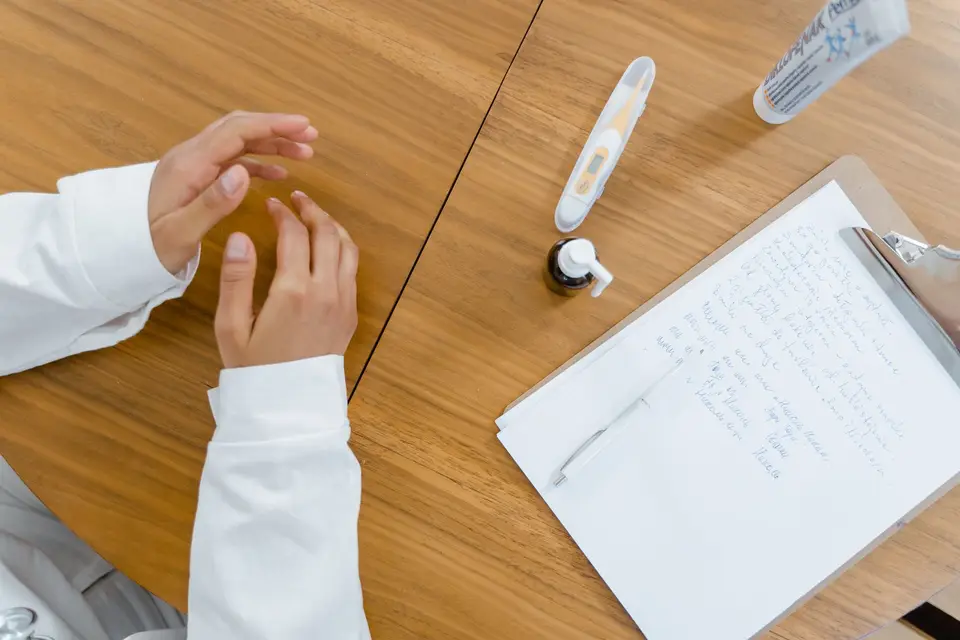
Health Canada says a registered repellent label states the age restrictions, target insects, application method and maximum daily frequency. An unreadable or incomplete label is not a basis for estimating infant use.
Physical barriers remain part of prevention
WHO recommends clothing that covers the body, mosquito nets and window screens alongside repellent to reduce dengue exposure. For babies below a product's permitted age, long clothing suited to the temperature and netting over a cot, stroller or carrier avoid putting repellent on the skin.
Household measures reduce exposure without changing the child's skin treatment. The US CDC advises repairing door and window screens and, once a week, emptying or discarding containers that hold water, including vases and flowerpot saucers.
Frequently asked questions
Can repellent be used on a baby younger than two months?
US CDC guidance says no and recommends clothing and mosquito netting instead. Health Canada sets a six-month minimum for DEET and icaridin, so the local product label and health authority must be checked rather than applying the US cutoff worldwide.
Is 30 percent DEET better than 10 percent?
The AAP says a higher concentration mainly extends protection time, with examples of about five hours for 30 percent and two hours for 10 percent. The child's age, local authorization and product label still control whether either concentration is appropriate.
Is picaridin always suitable for infants?
No single answer applies worldwide. Health Canada excludes icaridin below six months, while other regulators and labels can set different limits.
Can an adult itch cream be used after a mosquito bite?
Infant eligibility cannot be inferred from an adult label. Washing the area and using a wrapped cold cloth are non-drug first steps, while a local pharmacist or pediatric clinician should check any medicated product.
What if repellent causes a rash?
Health Canada advises stopping the product, washing the treated skin, obtaining medical help and taking the container to the health professional. Breathing difficulty, mouth or throat swelling, fainting or reduced responsiveness requires emergency help.
Sources and further reading
- West Nile virus: as cases rise across parts of Europe, here is what you need to know(World Health Organization Regional Office for Europe)
- Dengue(World Health Organization)
- How to Protect Against Mosquito Bites(US Centers for Disease Control and Prevention)
- Personal insect repellents(Health Canada)
- How to Choose an Insect Repellent for Your Child(American Academy of Pediatrics)
- Insect bites and stings(National Health Service in England)