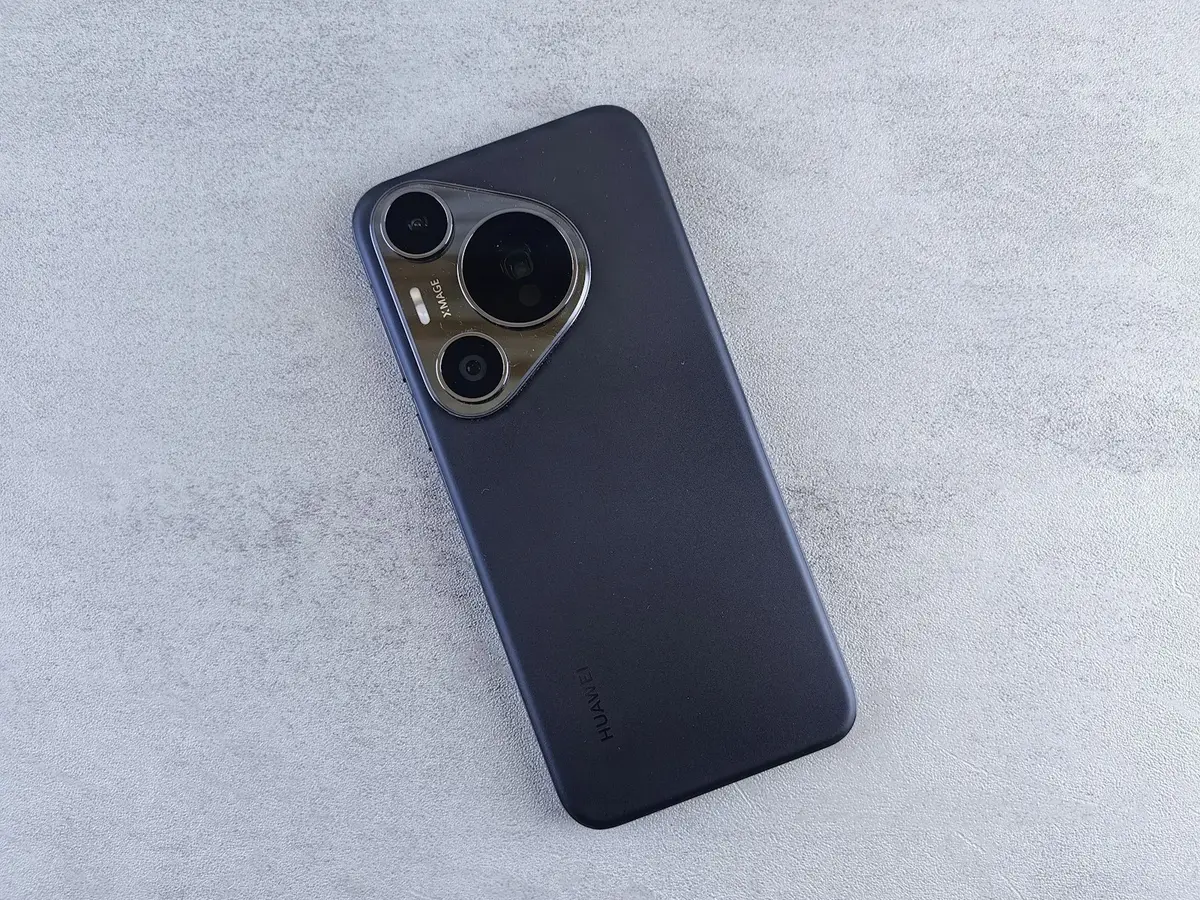
In October 2025, Android Authority compared four camera-lens protector kits on a Samsung Galaxy S25 Ultra and Google Pixel 9 Pro XL, finding many bright-daylight images hard to distinguish but more losses in difficult lighting. Some cheap-protector shots showed washed-out color, lost fine detail or reduced dynamic range when the scene combined dim light with strong backlighting.
The more expensive products in that comparison stayed closer to each phone's uncovered output, but they did not eliminate every flare, softness or color difference. The test assessed image quality, not the amount of protection against scratches or drops, so it cannot produce a universal answer about whether the accessory is worth buying.
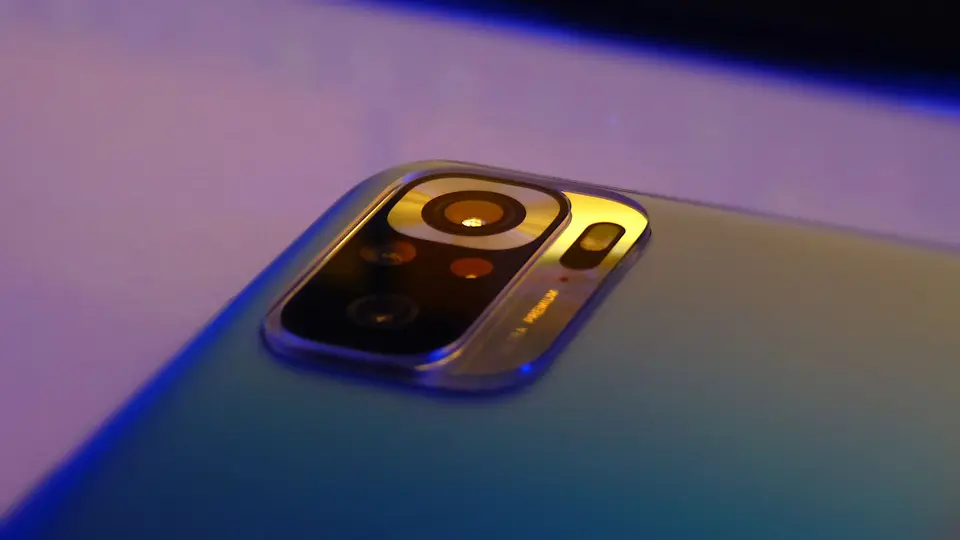
Direct testing found small daylight differences
The Android Authority comparison used cheap no-brand products and higher-priced Spigen kits on the two phones. It reported that many full-frame daylight images were essentially indistinguishable, while low-light and high-dynamic-range (HDR) scenes exposed more consistent differences in color, detail and exposure.
The higher-priced kits performed better in the difficult scenes, but price was not tested as an independent variable and the article did not publish optical-transmission measurements. It also said installation must be free of dust and air bubbles, which means a result can reflect product design, fit or installation rather than glass quality alone.
An extra optical surface can create reflections
Nikon explains that some light is reflected when it crosses a boundary between materials with different refractive indices, and that anti-reflective coatings can reduce surface reflections, ghosting and flare. Applied to a phone accessory, another transparent layer creates more material boundaries before light reaches the camera.
This mechanism does not mean every protector will create a visible defect in every photograph. It explains why point lights, backlighting and low-light scenes reveal optical differences that may remain hidden in evenly lit daylight.
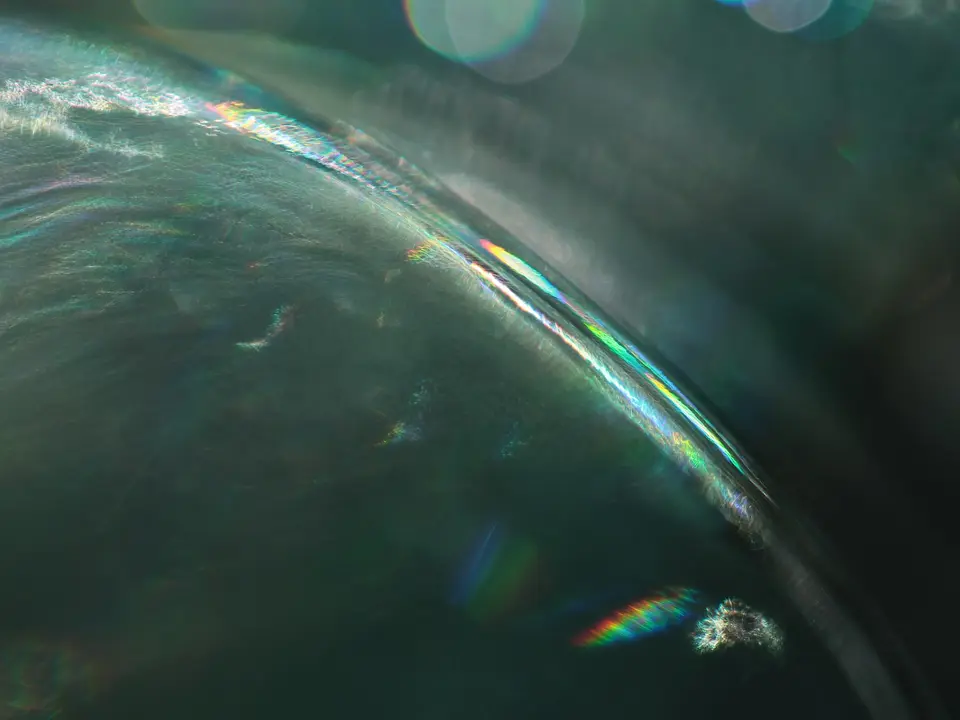
Nikon also describes anti-reflective films as designs that depend on refractive index, thickness, wavelength range and manufacturing accuracy. A listing that merely says "anti-reflective" therefore does not show how a protector performs across the angles and colors of light a phone camera captures.
Scratch tests explain flare, not protector effectiveness
Autofocus, texture, noise and white balance remained similar in many of DXOMARK's comparisons. Flare was the main failure, and the effect grew more intrusive around strong light sources and during camera movement in video.
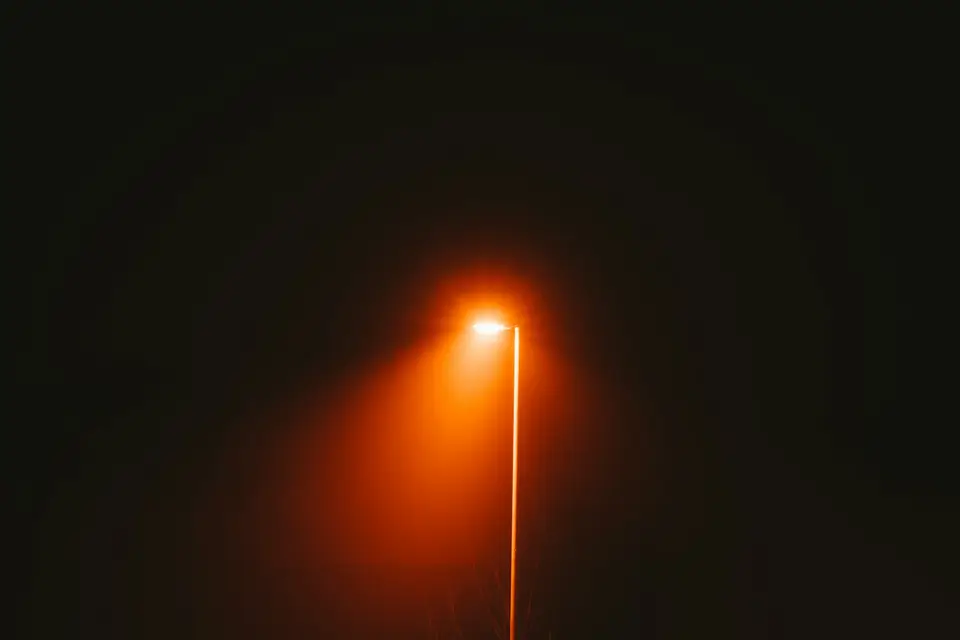
The experiment did not show that a commercial protector would have prevented the scratches, nor did it compare the optics of different protectors. It establishes a narrower point: damage on the optical surface in front of a phone camera can hurt images even when the camera hardware and software are unchanged.
Built-in cover materials must be checked by model
Apple's technical specifications list a sapphire crystal lens cover for the iPhone 17. That is evidence for one model family, not proof that every iPhone, Android phone or camera module uses the same material or construction.
A material name also is not a standardized promise that a cover will survive a particular particle, fall or impact. The exact model's specifications and local repair terms provide a better starting point than a broad claim about flagship phones.
A buying decision needs evidence from both sides
The accessory presents two separate questions: whether the phone faces enough abrasion risk to need a replaceable barrier, and whether that barrier preserves the camera output that matters to its owner. The available tests answer parts of the second question but do not quantify the first.
- Identify the exposure. Repeated contact with sand, grit or metal particles presents a different case from ordinary use in a clean pocket or bag.
- Check the exact phone. Use the manufacturer's specification for the camera-cover material and obtain the local repair price instead of assuming every model has the same construction.
- Check the protector's evidence. Exact-model fit, published optical data and side-by-side samples in difficult lighting carry more weight than price, star ratings or an unsupported coating label.
- Install before judging. Dust, bubbles, fingerprints and misalignment should be removed as variables before comparing images.
- Repeat the same shots. Compare the uncovered and covered camera in daylight, low light, strong backlight, a scene with point lights, zoom and moving video, using the same framing and exposure controls.
A protector is easier to justify when abrasive exposure is routine, replacement of the phone's own cover would be costly and the installed accessory passes those image comparisons. Skipping it is easier to justify when camera quality has priority and the seller provides no optical evidence beyond marketing labels.
No published test reviewed here supports treating every camera protector as either harmless or useless. The direct comparison found small differences in many scenes and clearer losses in some demanding ones, while standardized evidence for damage prevention remains missing.
Frequently asked questions
Do camera lens protectors make every photo blurry?
No. Android Authority found many daylight images hard to distinguish, but some cheap-protector shots lost detail, color or dynamic range in low-light and HDR scenes.
Does a higher price guarantee better image quality?
No. The higher-priced kits performed better in one two-phone comparison, but the test did not isolate price from materials, coatings, fit and installation.
Does DXOMARK's scratched-cover test prove a protector prevents damage?
No. It shows how a damaged factory cover affected one phone model; it did not measure whether any commercial protector prevents scratches or survives impacts.
What scenes reveal protector problems fastest?
Low light, strong backlighting, bright point sources, zoom and moving video are the most informative checks in the cited tests. A comparison should keep framing, exposure and lens selection the same before and after installation.