The World Health Organization (WHO) published the second edition of its Integrated Care for Older People handbook on September 22, 2025. The handbook describes primary and community care pathways that local services can adapt to detect declines in intrinsic capacity, identify social-care needs and build a personalized care plan.
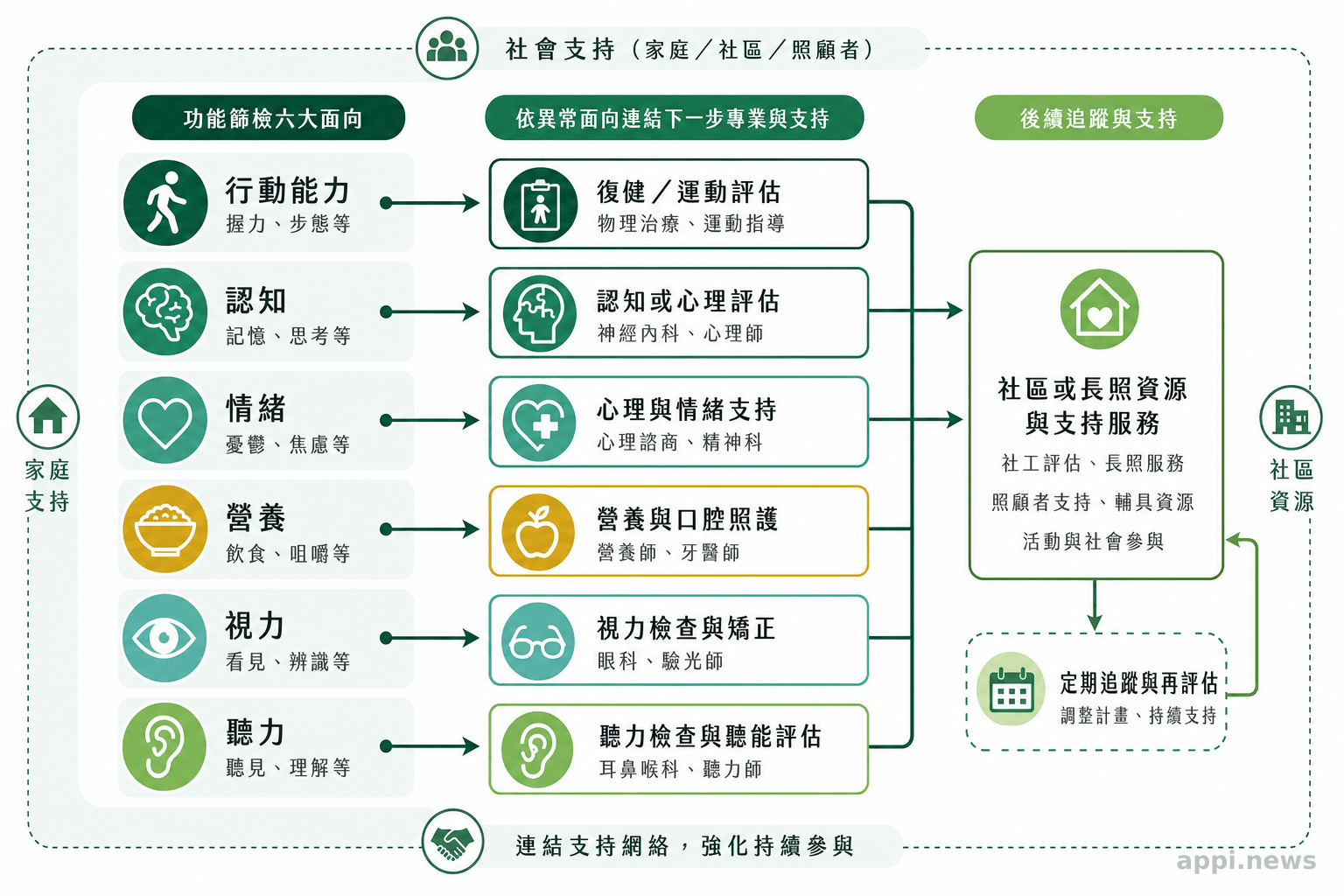
The model separates a screening signal from a diagnosis. Grip, walking, cognition, nutrition, vision, hearing, mood, medicine effects and daily activities describe different parts of function; none identifies the cause alone.
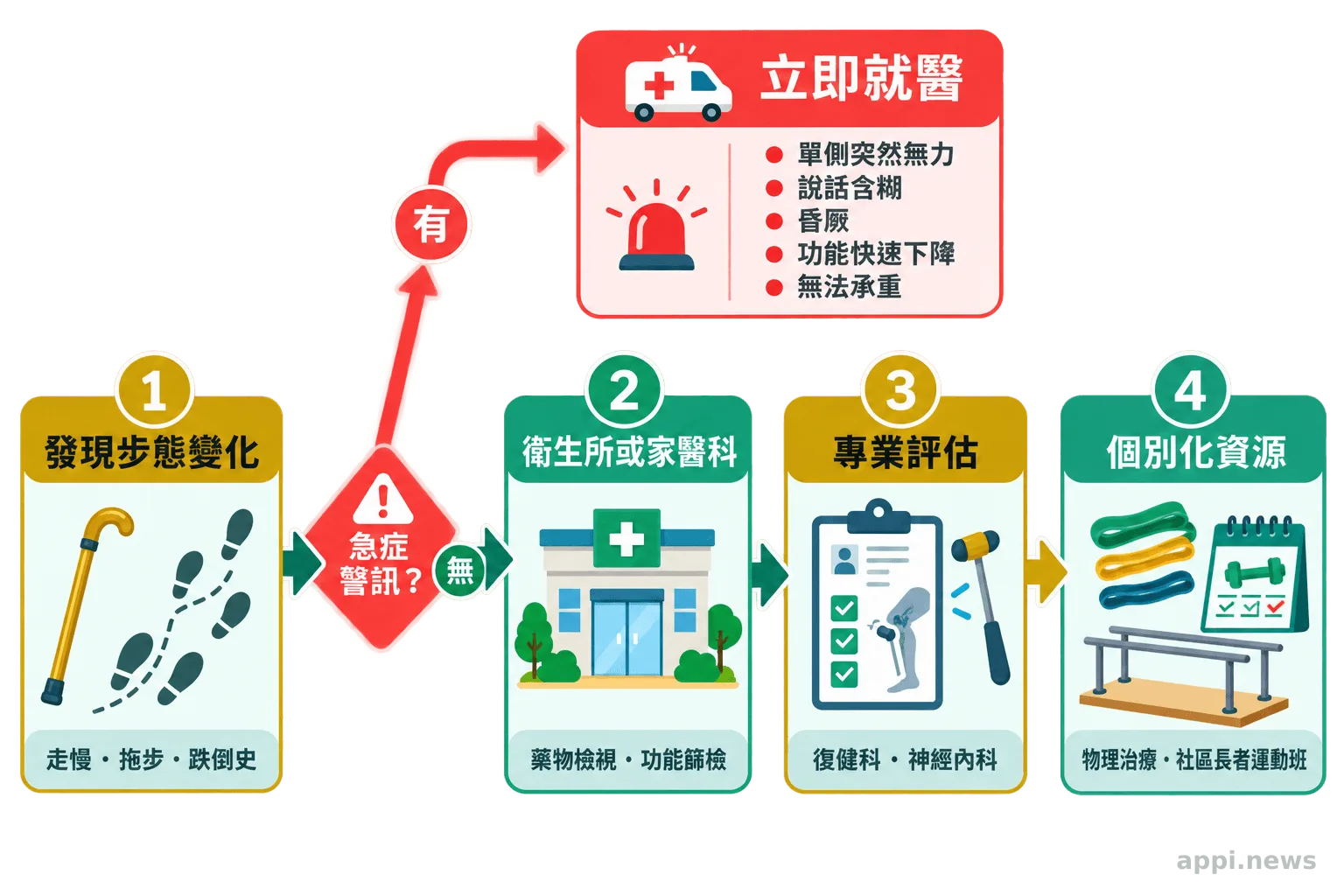
Sudden changes require emergency assessment
The US Centers for Disease Control and Prevention lists sudden one-sided weakness, new trouble speaking or understanding speech, and sudden loss of balance or coordination as stroke signs that require immediate emergency help. Contact local emergency medical services at once and do not wait for a routine function appointment; emergency numbers and response systems differ by country.
A sudden change should not be interpreted through a grip cutoff or routine screen. When the change is not an emergency, a clinician still needs to assess its timing, severity, accompanying symptoms, recent illness, falls and medicine changes.
Function assessment answers a different question from routine tests
Laboratory tests, imaging and disease-specific checks describe medical conditions. Function assessment asks whether an older person can rise, walk, prepare food, manage medicines, leave home and carry out other daily tasks safely.
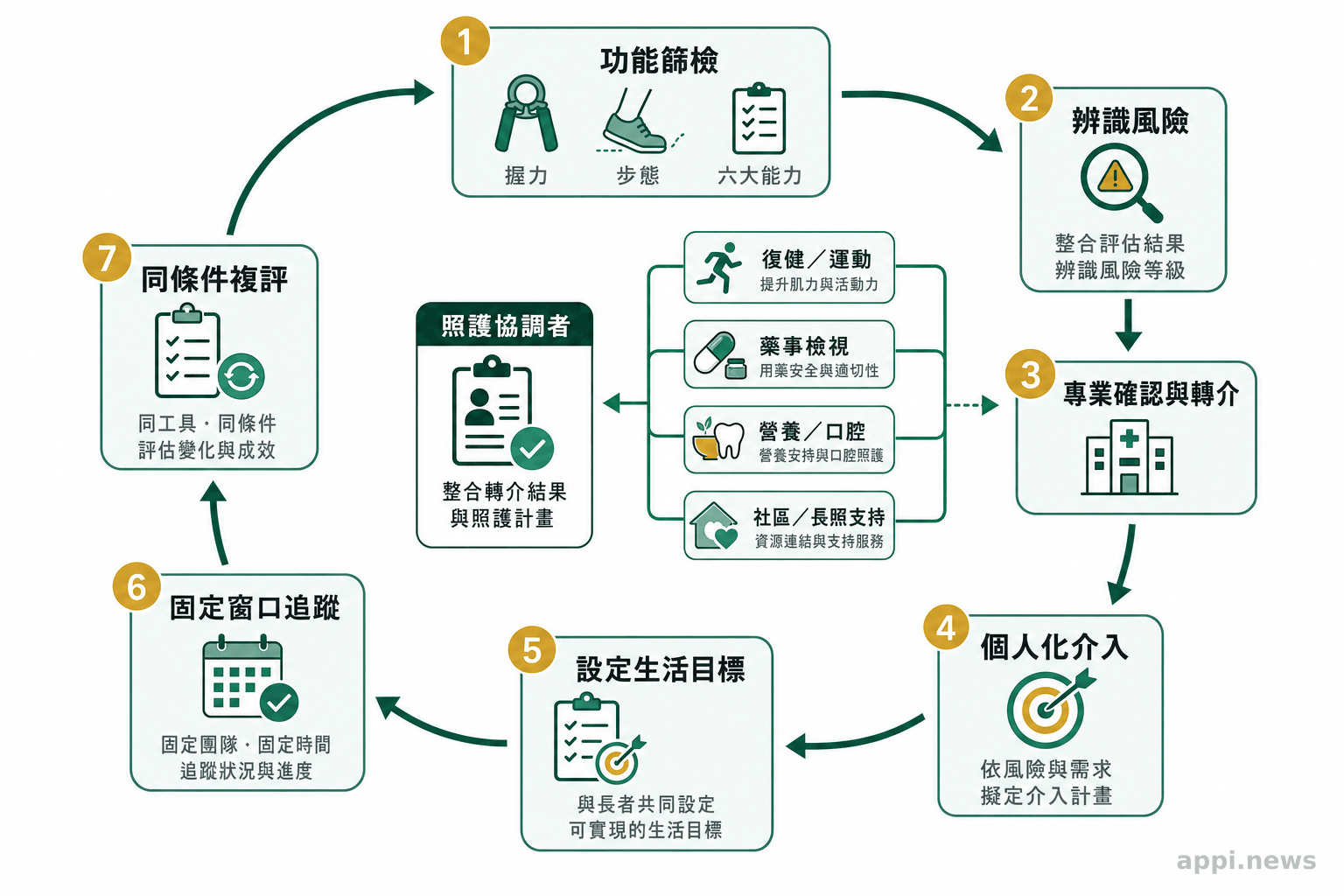
WHO's ICOPE pathway checks cognition, mobility, vitality, vision, hearing and psychological capacity, then moves from basic screening to fuller assessment, a personalized care plan and monitoring. A result can direct attention to one area, but it does not name the condition behind the change.
Daily-life goals give follow-up a measurable focus. Safely rising from a chair or reaching a nearby shop describes an outcome that matters to the person more clearly than a general aim to “get stronger.”
Grip and gait values have a defined scope
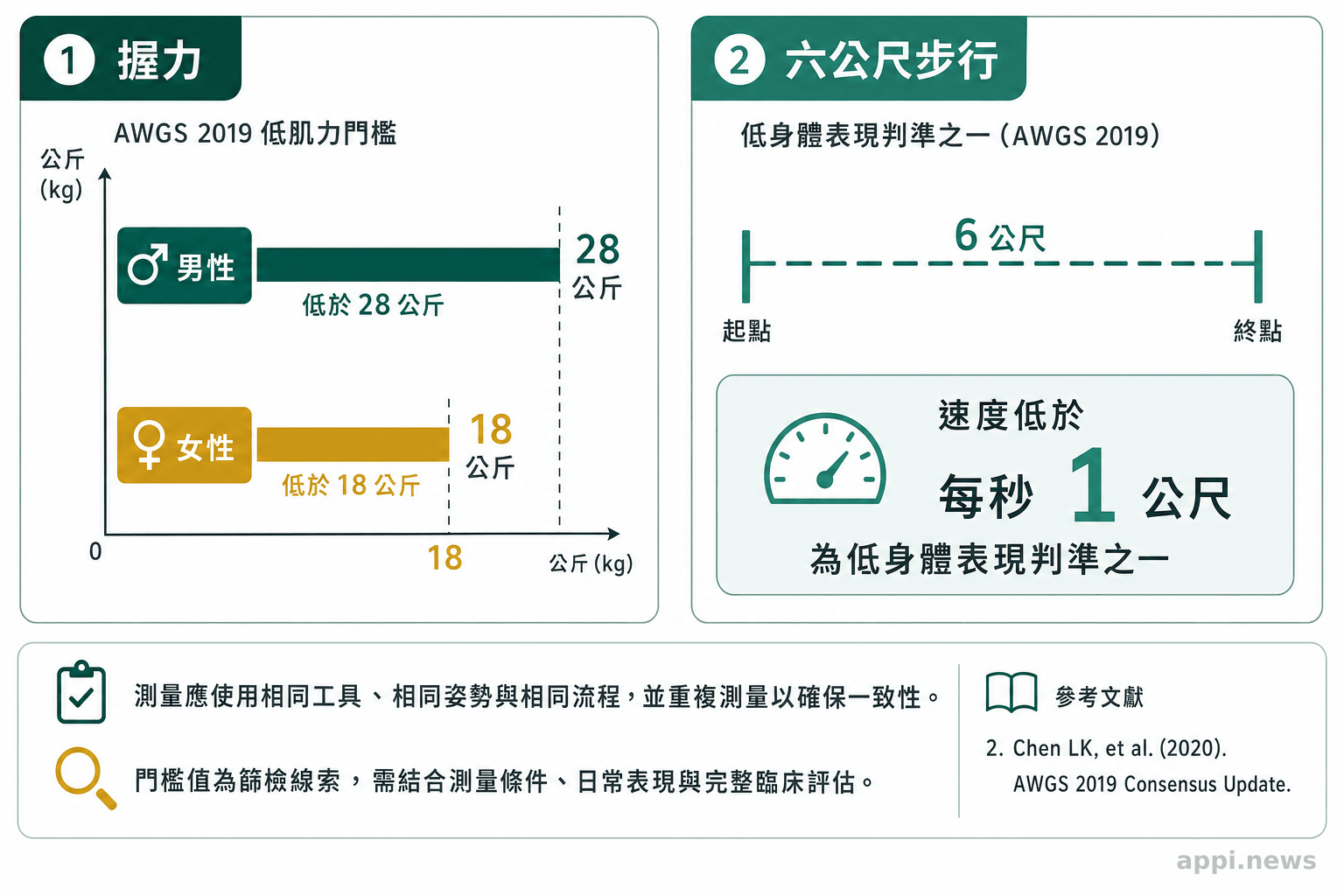
The Asian Working Group for Sarcopenia's 2019 consensus defined low handgrip strength as less than 28 kilograms for men and less than 18 kilograms for women; low physical performance included a six-meter walking speed below 1 meter per second. Those values were developed for Asian populations and formed parts of a broader algorithm, not stand-alone diagnoses.
The group's 2025 update changed the diagnostic framework by requiring concurrent low muscle mass and low strength for sarcopenia and treating physical performance as an outcome measure. The update remains Asia-specific, so its criteria cannot be presented as global standards.
A single slow walk or weak grip cannot separate muscle loss from pain, recent illness, neurological or cardiovascular disease, vision problems, fatigue or medicine effects. Repeated testing is more interpretable when the same equipment, position, distance and protocol are used, but a trend still requires clinical context.
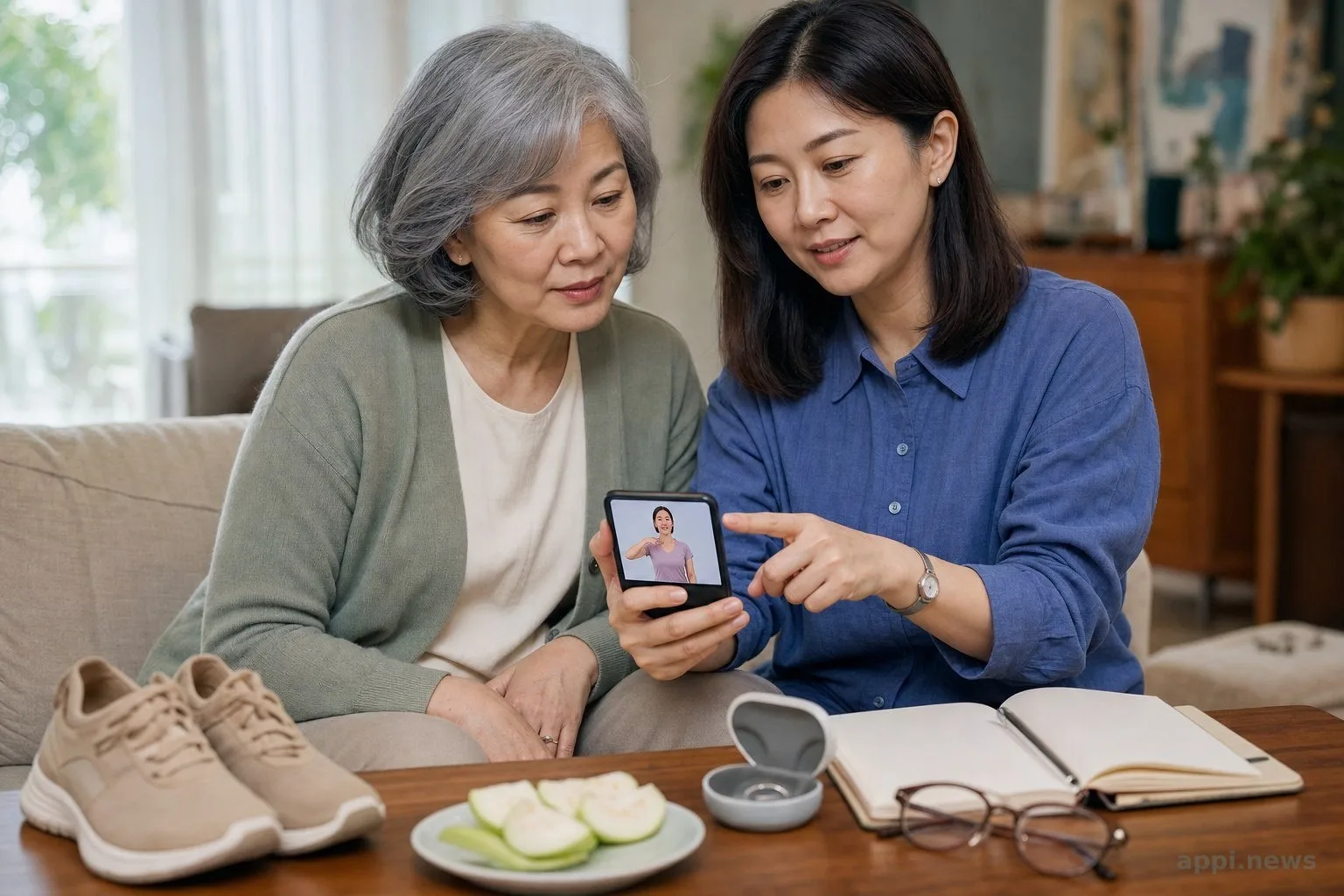
Medication review belongs in the function picture
WHO's 2019 polypharmacy report calls for person-centered medication review and a multiprofessional approach that includes the patient in decisions. Counting medicines alone cannot establish whether each one remains appropriate or whether combinations are contributing to a functional change.
The US CDC's STEADI fact sheet tells clinicians to include prescriptions, nonprescription medicines and herbal supplements in a review, and says some can cause dizziness, sedation, confusion, blurred vision or orthostatic hypotension. Those effects can change alertness, balance and gait, which is why a medication history belongs beside physical testing.
A review can compare the indication, dose, duplicated ingredients, interactions and timing of symptoms for each product. Starting, stopping or reducing a medicine belongs in a plan made with the prescribing clinician or pharmacist; a screening result is not a reason for an older adult or caregiver to alter it independently.
Trials support follow-through, not a stand-alone score
A 2019 Cochrane review included 108 randomized trials with 23,407 participants in 25 countries and found that exercise programs reduced fall rates by 23 percent among community-dwelling older adults. Programs centered on balance and functional training reduced falls, while evidence was insufficient to determine the effect of resistance-only, walking or dance programs.
The review covered adults aged 60 or older living in the community and excluded trials focused on conditions such as stroke. Evidence for fractures, hospital admission, medical attention and adverse events was less certain, so the results do not define a single program for every older adult.
A 2023 Cochrane review of 38 randomized or cluster-randomized studies found low- to very-low-certainty evidence for pharmaceutical-care interventions addressing polypharmacy. The authors could not establish whether the interventions produced clinically meaningful overall improvement, and most studies were conducted in high-income countries.
Together, the reviews support tracking outcomes after a referral or care plan rather than treating completion of a screen or medication list as the endpoint. Falls, dizziness, medicine errors and changes in daily tasks provide information for reassessment, but neither review establishes that a checklist by itself prevents disability.
Different groups need different interpretation
Children and pregnancy
ICOPE is for older people, and the 2025 Asian consensus addresses middle-aged and older Asian populations. Neither supplies a pediatric or pregnancy screening standard, so these grip and gait thresholds should not be applied to children or pregnant people; new weakness or mobility loss needs age- and pregnancy-appropriate clinical assessment.
Chronic illness and regular medicines
Chronic illness, recent hospital care and regular medication can change both the baseline result and the safe next step. People in these groups need interpretation by a clinician who can account for the condition and treatment; population thresholds cannot set exercise or medication changes for an individual.
Follow-up turns observations into a care pathway
A useful assessment record states when a change began and whether it affects chair rises, walking, stairs, meal preparation, bathing, shopping or medicine management. It also lists recent falls, unintentional weight change and every medicine or supplement, with the timing of dizziness, drowsiness or confusion after a change.
A primary-care or geriatric team, where available, can bring the findings together and direct referrals for mobility, nutrition, vision, hearing, mental health, medication or social support. The available professionals, referral routes and long-term care services vary by country.
WHO's pathway includes implementation and monitoring, but it does not set one global interval for every assessment setting. APPI News could not identify a single evidence-based reassessment timetable or comparable cross-country data showing how often flagged results lead to completed referrals at the time of writing.
Sources and further reading
- Integrated care for older people (ICOPE): guidance for person-centred assessment and pathways in primary care, 2nd ed(World Health Organization)
- A focus shift from sarcopenia to muscle health in the Asian Working Group for Sarcopenia 2025 Consensus Update(Nature Aging via PubMed)
- Asian Working Group for Sarcopenia: 2019 Consensus Update on Sarcopenia Diagnosis and Treatment(Journal of the American Medical Directors Association via PubMed)
- Medication safety in polypharmacy: technical report(World Health Organization)
- Signs and Symptoms of Stroke(US Centers for Disease Control and Prevention)
- Medications Linked to Falls(US Centers for Disease Control and Prevention)
- Exercise for preventing falls in older people living in the community(Cochrane)
- Interventions to improve the appropriate use of polypharmacy for older people(Cochrane Database of Systematic Reviews via PubMed)