Former Meta engineering director Arturo Béjar told a US federal jury on August 19 that Instagram took a “don't ask, don't tell” approach to users under 13. He said Meta put profits ahead of safety by rewarding user growth and time spent on its products.
California, Colorado, Kentucky and New Jersey began presenting their claims in Oakland on August 18. Their cases were the first to reach trial among 29 states that sued Meta in 2023. Meta disputes every allegation, and this account reflects reporting available through August 21.
Four states bring the first cases to trial
The Associated Press reported that the four states were the first of 29 to bring their child-safety and privacy cases to trial. At the August 21 reporting cutoff, the remaining 25 cases were expected to be heard later.
The California Department of Justice said its 2023 lawsuit in the US District Court for the Northern District of California accuses Meta of designing Instagram and Facebook features that drive excessive use by young people and of misleading the public about the risks. The office represents one of the plaintiffs, so those statements describe the states' case rather than court findings.
The states also allege that Meta collected personal data from users under 13 without parental consent, violating the US Children's Online Privacy Protection Act (COPPA). California's claims also cite the state's False Advertising Law and Unfair Competition Law.
The case targets design choices and child data
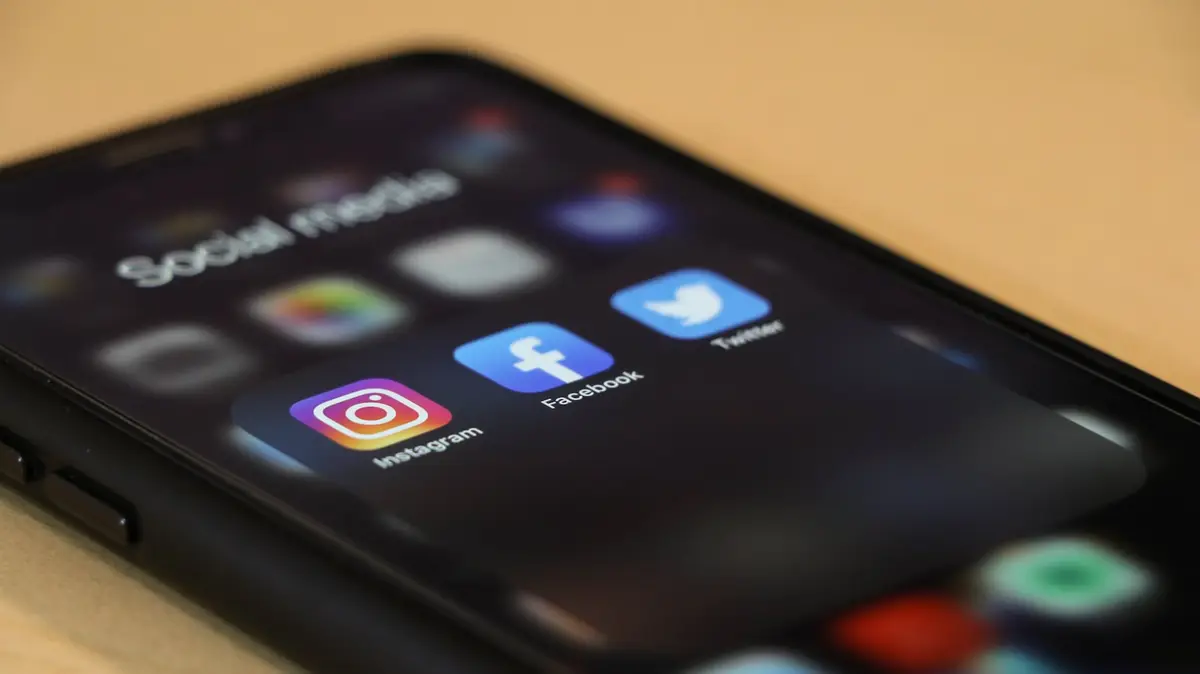
NPR's report published by WUSF said the states identified recommendation algorithms, infinite scroll, photo filters and the like button as features they allege encourage compulsive use by minors. The states say longer sessions increased Meta's revenue while exposing young users to harm.
The legal theory focuses on Meta's design and data practices rather than treating the company as the publisher of material posted by users. The states seek changes to the Facebook and Instagram experience along with financial penalties.
Penalty estimates do not amount to an award
A pretrial calculation submitted by state attorneys and challenged by Meta put possible maximum penalties at about US$1.4 trillion, although California Attorney General Rob Bonta said the states were not seeking a specific amount. The Guardian separately reported that damages could reach US$200 billion if Meta were found liable.
AP reported that any damages would be set by the court only if Meta lost. The published estimates did not describe the same figure, and neither was an award at the August 21 cutoff.
Béjar says engagement metrics outweighed safety
Béjar testified that reviews and compensation for employees working on user-facing products focused mainly on user numbers and time spent, leaving safety as an afterthought. He also said his research found tens of thousands of Instagram users under 13 and that Meta had no goals or metrics for detecting suspected underage accounts.
The Guardian reported that Béjar estimated he had briefed Meta chief executive Mark Zuckerberg at least 100 times and said Zuckerberg did not respond to a 2021 email warning about reports of harmful content and risks to teenagers. These were Béjar's statements to the jury, not conclusions reached by the court.
Meta says the states omitted context
Meta told NPR that the allegations were unsubstantiated and pointed to enhanced privacy settings for teenagers and a one-hour Instagram reminder. Meta lawyer Paul Schmidt told the jury that the states had selected company data, statements and research without their full context.
Meta said users under 13 were not allowed to register and that it had disabled more than 1 million accounts belonging to users in that age group. The cited reports did not provide an independent measure of how well those steps detected underage accounts or reduced harm.
What remained unresolved by August 21
The jury had not decided whether Meta was liable at the reporting cutoff. Béjar appeared as a witness for the states, so his account remained subject to Meta's challenge and the jury's assessment alongside other evidence.
The cited claims arose under US federal and state laws and did not establish rules for users in other countries. APPI News could not independently compare every allegation and response in the reports with the full federal court record. Proceedings after August 21 fall outside this account.
Sources and further reading
- Former Meta engineer says Instagram took a 'don't ask, don't tell' approach on kids under 13(The Associated Press)
- Zuckerberg lied about concern for child safety, Meta whistleblower testifies at landmark trial(The Guardian)
- 'Profits won.' The child safety trial against Meta kicks off in federal court(NPR / WUSF)
- Ahead of Opening Statements, Attorney General Bonta Lays Out Case Against Meta(California Department of Justice)