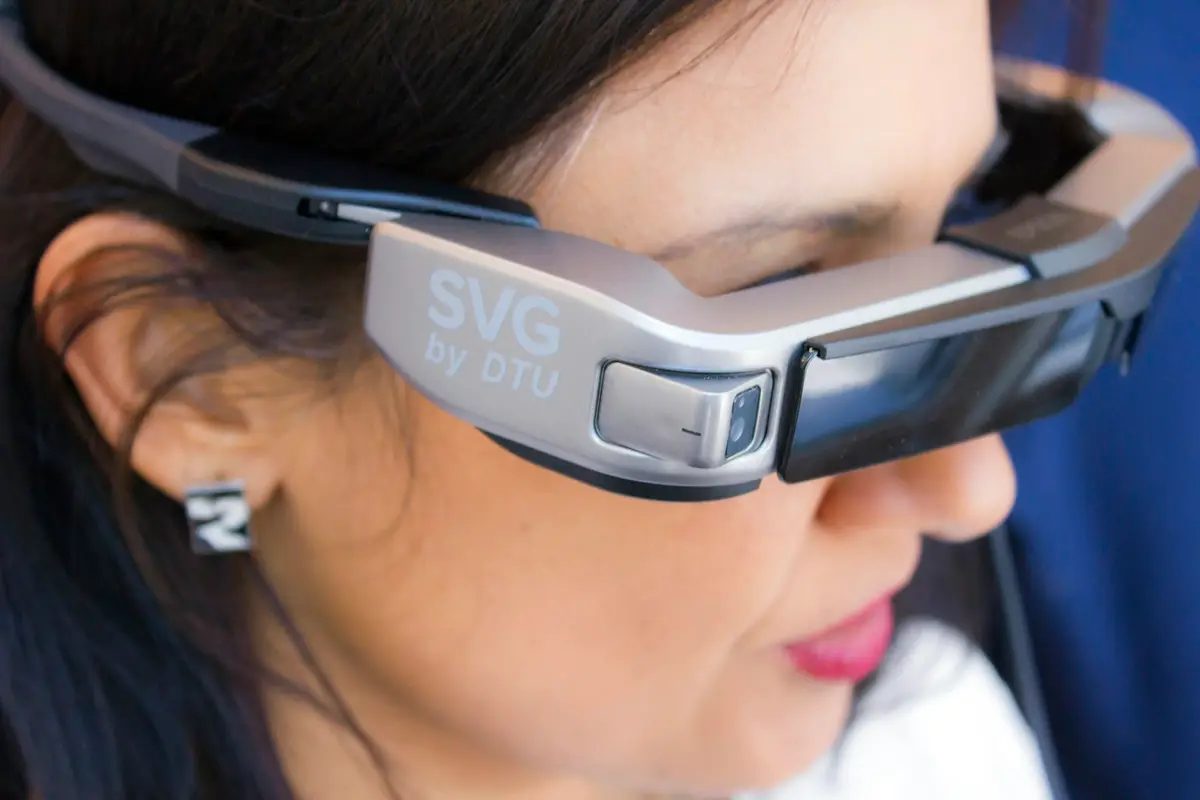
More than 20,000 people had signed a petition by August 6 urging Kmart to withdraw its sold-out Anko camera glasses in Australia. The A$89 device, about US$62 at current exchange rates, puts hands-free recording into frames that can resemble ordinary eyewear.
SmartCompany reported that the GetUp petition passed 20,000 signatures after its August 5 launch and that campaign author Gina Martin described the glasses as a tool for non-consensual surveillance. Martin previously led the campaign that made upskirting a specific offense in England and Wales.
Low price expands access to wearable recording
The Guardian reported that the clear-lens, black-rimmed glasses were sold out across Kmart's Australian stores and website by August 3. The same report said comparable Meta and Ray-Ban glasses started at A$337, nearly four times the Anko price.
The Anko model is a camera and audio device rather than a display headset. Kmart's operating manual says it records video after a double press, captures audio through a separate control and connects to the HeyCyan app for image recognition and a voice assistant. The manual also warns that recording may be prohibited in some locations and tells users to follow applicable privacy, surveillance, recording and consent laws.

A light may be the only visible recording cue
The glasses include an indicator that alerts people nearby when the camera is operating, according to SmartCompany. The publication said it could not establish whether the Anko model disables recording when that light is covered or deactivated, a safeguard Meta has added to its own glasses.
France's data protection authority, the Commission nationale de l'informatique et des libertés (CNIL), said in May 2026 that indicator lights provide only limited notice because smart glasses can be hard to distinguish from conventional eyewear. It said a phone generally must be raised and aimed, while glasses record what the wearer is looking at.
The distinction matters even when a device has a working light. A bystander must first recognize the frames as a camera, see the indicator and understand what it means. APPI News did not independently test the Anko light's visibility in bright conditions or from different viewing angles.
Australian regulator is monitoring the rollout
The Office of the Australian Information Commissioner, Australia's national privacy and information regulator, told The Guardian it was aware of community concern and was monitoring the technology's rollout. The regulator said organizations covered by Australia's Privacy Act and Australian Privacy Principles have obligations when their products or services collect, use or disclose personal information.
The regulator also said people concerned about recording by another individual may need independent legal advice because Australian federal, state or territory laws could apply depending on the circumstances. It had not announced a ruling specifically addressing the Anko glasses or a timetable for further action.
Kmart points to user responsibility
Kmart did not commit to withdrawing the product in the responses reviewed for this report. The retailer described camera glasses as an established wearable category and said customers should use them responsibly, respectfully and in line with applicable laws and community privacy expectations.
That response leaves the product's future uncertain. SmartCompany said Kmart did not directly answer whether it planned to restock the glasses, while the petition sought a permanent withdrawal rather than a temporary halt caused by depleted inventory.
What remains unverified
APPI News could not independently verify a reported request from Australia's attorney-general for a review of smart-glasses privacy risks. It also could not locate the underlying study for claims that 60 percent of smart-glasses videos involved harassment and that 43 percent led to degrading comments or doxxing. Those claims are not included in this report.
The verified record is narrower: the product sold out, a petition passed 20,000 signatures, the national privacy regulator was monitoring the rollout, and Kmart placed responsibility for lawful use on customers. Whether Australia will adopt device-specific rules remains unresolved.
Sources and further reading
- Kmart sells out of low-cost rival to Meta camera glasses across Australia amid warnings of 'privacy nightmare'(The Guardian)
- More than 20,000 sign petition urging Kmart to pull $89 smart glasses from sale(SmartCompany)
- Kmart launches $89 Anko-branded smart glasses as wearable AI debate heats up(SmartCompany)
- Camera Glasses Operating Instructions(Kmart Australia)
- Smart glasses: CNIL calls for vigilance(CNIL)