Australia recorded 220 confirmed or presumed-positive H5 bird flu detections by August 9, up from 53 on August 1. The Australian Department of Agriculture, Fisheries and Forestry said the virus had not been detected in poultry or the country’s agricultural production system, while the risk to human health remained low.
The total is a count of positive detections from tested samples, not a count of every infected or dead animal. That distinction became clear at Baudin Rocks, an offshore conservation park in South Australia, where officials investigated more than 80 sick or dead wild birds but sampled only enough animals to establish the cause.
Baudin Rocks becomes Australia’s first confirmed mass mortality event
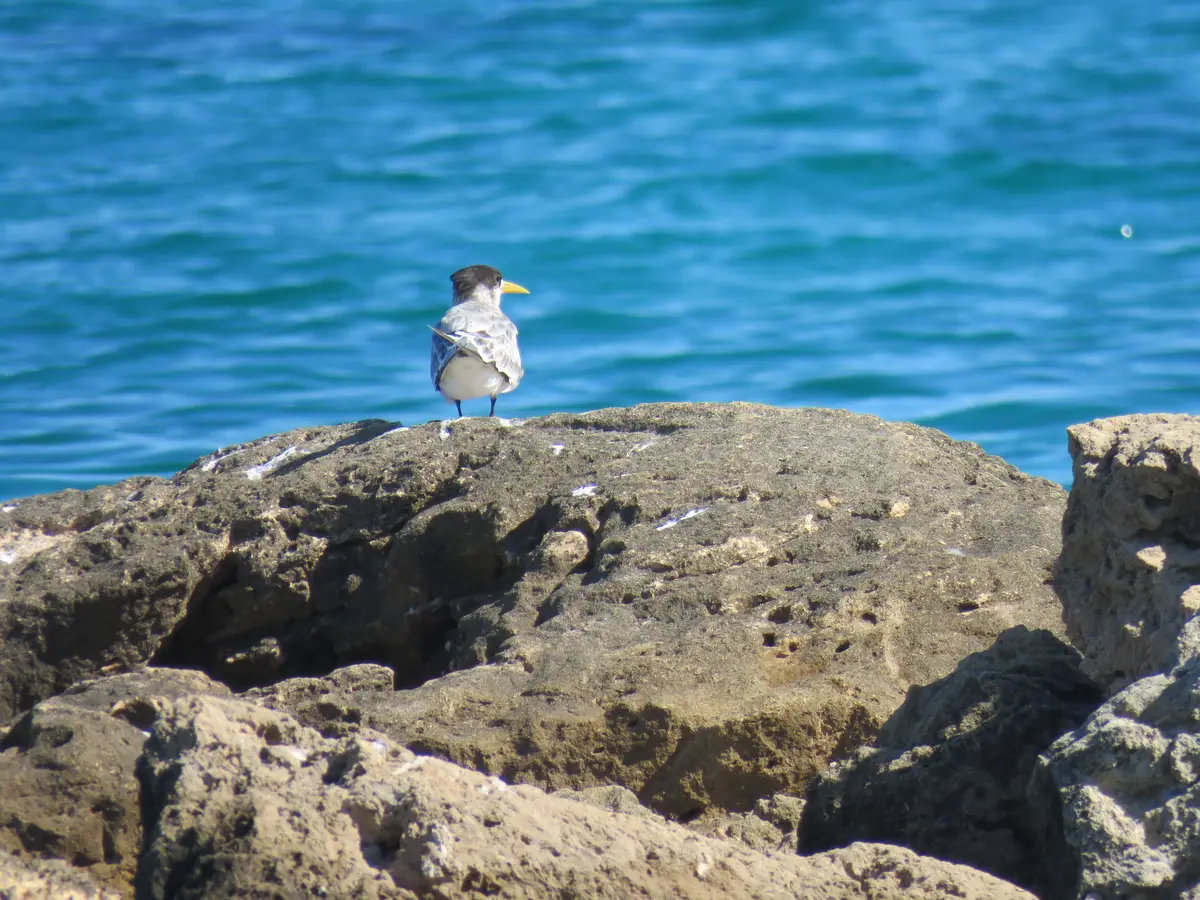
Australia’s national laboratory confirmed H5 bird flu in five greater crested terns and one silver gull from Baudin Rocks by August 4. The Australian government classified the incident as the country’s first confirmed mass mortality event in wildlife caused by H5 bird flu.
The outbreak has since produced detections across several states and more bird species. Updates through August 9 listed greater crested terns at sites in South Australia, Victoria and New South Wales, silver gulls in South Australia and Victoria, and a magpie near the Victoria–South Australia border.
Silver gull cases point to transmission among resident birds
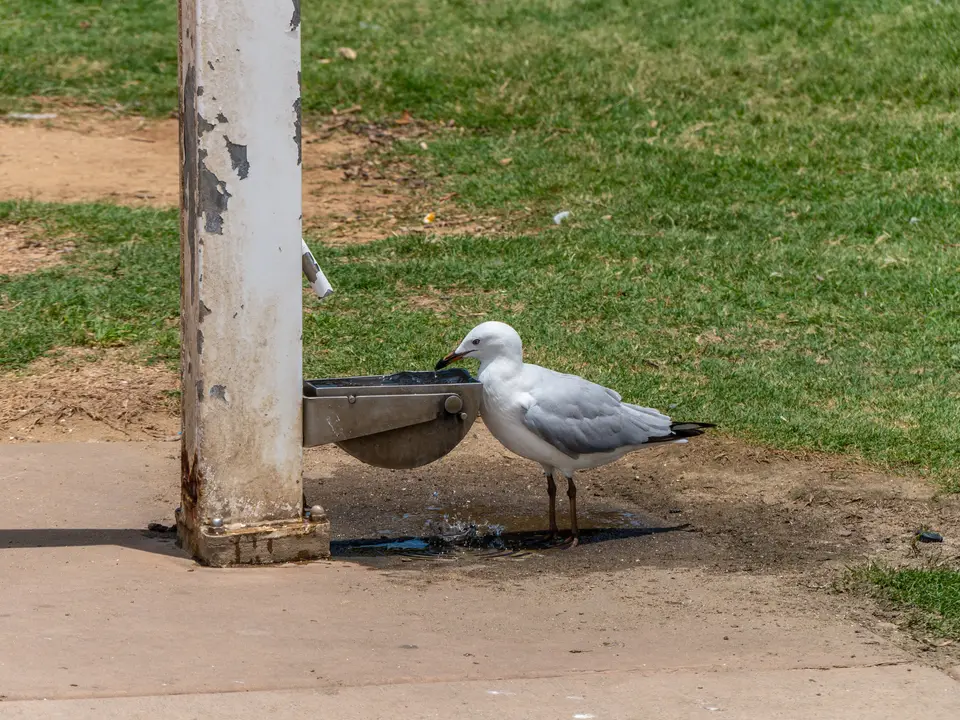
A silver gull found at Robe in South Australia returned a positive result on August 1, the first confirmed detection in that species in Australia. By August 8, national updates had recorded more silver gull cases in South Australia and one in Victoria.
The silver gull finding followed an earlier change in the outbreak. On July 10, a greater crested tern near Robe became the first Australian wild non-migratory seabird to test positive, after the initial cases had been found in migratory seabirds.
Australia’s outbreak follows a global spread through wildlife
Australia notified the World Organisation for Animal Health of its first H5N1 detection on June 20, 2026, in a migratory brown skua. The organization said the virus belonged to clade 2.3.4.4b, the lineage circulating widely in wild birds, poultry and mammals.
The rapid increase in detections does not show how many wild birds have died or predict how far the virus will spread. Australian officials said not every bird at a known mass mortality site needs to be tested once laboratory samples have established the cause, leaving surveillance totals below the number of affected animals.
Human risk remains low but varies with exposure
The Food and Agriculture Organization of the United Nations, World Health Organization and World Organisation for Animal Health assessed the global public health risk from circulating H5 viruses as low in May 2026. Their assessment rated risk for people with frequent or occupational exposure as low to moderate, depending on local conditions and protective measures.
Australia’s agriculture department continued to report no detections in poultry or agricultural production through August 9. The department’s national updates also cautioned people against touching sick or dead birds and asked that clusters be reported through Australia’s emergency animal disease system.
Sources and further reading
- H5 bird flu updates(Australian Department of Agriculture, Fisheries and Forestry)
- Australia notifies first case of High Pathogenicity Avian Influenza H5N1 in a wild bird(World Organisation for Animal Health)
- Updated joint FAO/WHO/WOAH public health assessment of recent high pathogenicity avian influenza A(H5) virus events in animals and people(World Health Organization)