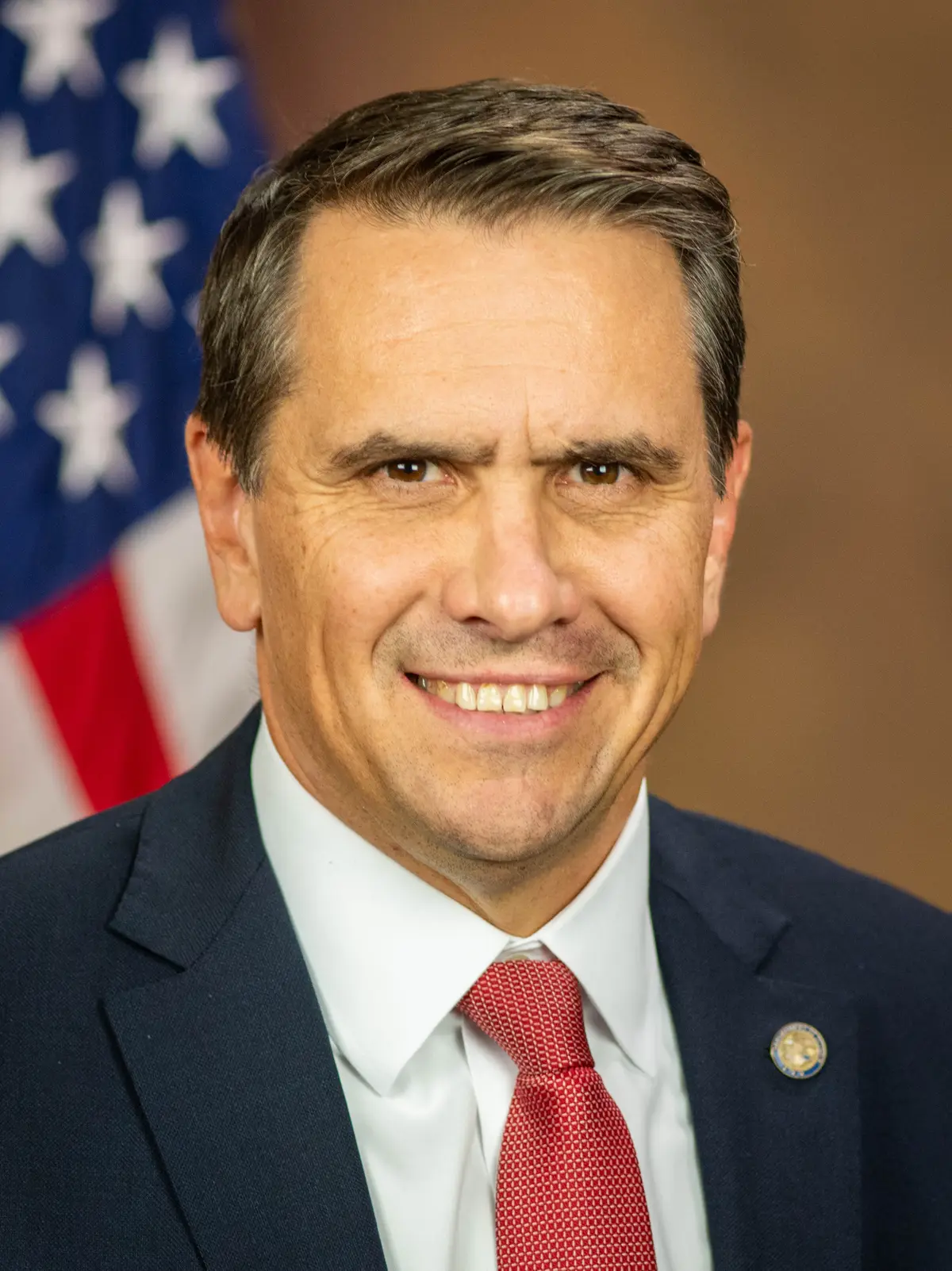
The US Senate confirmed Todd Blanche as attorney general in a 50-49 vote on August 8, 2026. Two Republican holdouts cleared his path only after the Justice Department put concessions over a disputed tax settlement in writing.
The Associated Press reported that Republican Senators Susan Collins of Maine and Lisa Murkowski of Alaska joined Democrats in opposing Blanche, while Republican Senator Bill Cassidy of Louisiana supplied a decisive vote for confirmation. Blanche had led the department in an acting capacity since President Donald Trump removed Pam Bondi in April.
Two Republican votes forced a written retreat
Republican Senators John Cornyn of Texas and Thom Tillis of North Carolina had withheld support in the Senate Judiciary Committee. Their opposition caused the committee to postpone a vote scheduled for July 30 and threatened to keep the nomination from reaching the full Senate.
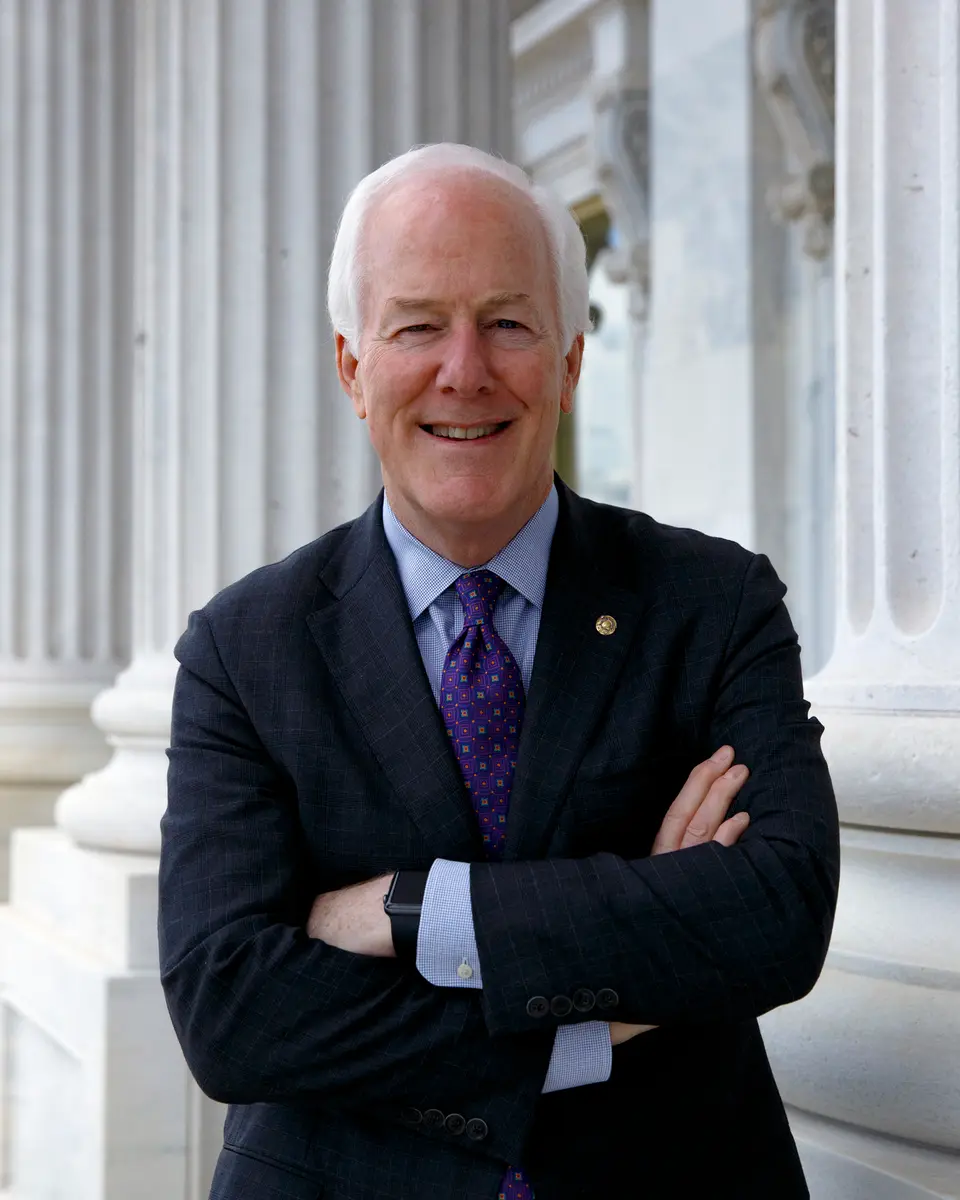
Blanche issued a formal order on August 2 terminating the proposed $1.8 billion Anti-Weaponization Fund, and the agreement also limited the scope of tax-audit protections for Trump and members of his family. Cornyn's office then confirmed that an agreement had been reached, removing the immediate obstacle to Blanche's nomination.
Blanche had already told lawmakers that the fund would not proceed, but Cornyn and Tillis wanted a written action that could not be treated as a nonbinding assurance. Their leverage came from the committee's narrow partisan balance: without their votes, Republican leaders could not rely on party control alone to advance the nomination.
The disputed settlement linked the nomination to Trump's taxes
The fund arose from a settlement of Trump's $10 billion lawsuit against the US Internal Revenue Service and the US Treasury Department. Trump alleged that the agencies had failed to prevent a former tax-agency contractor from disclosing his tax information to news organizations.
The settlement proposed $1.776 billion to compensate people who said the federal justice system had targeted them for political reasons. A separate provision protected Trump, relatives and affiliated businesses from certain tax audits, creating the second issue that Cornyn and Tillis demanded the department address.
US District Judge Kathleen Williams ruled on July 13 that the lawsuit had been filed for an improper purpose and that the parties had used the court to give legitimacy to an agreement benefiting people and entities affiliated with the president. She imposed sanctions on lawyers involved in the case and sent her order to bar authorities in New York and the District of Columbia, where complaints involving Blanche and Associate Attorney General Stanley Woodward were pending.
Confirmation gives senators leverage before the final vote
The Congressional Research Service says Senate committees investigate nominees, hold hearings and can use the confirmation process to obtain policy commitments before granting consent. Most nominations go to the committee responsible for the department or agency before the full Senate considers them.
The Blanche dispute shows how that leverage can operate even when the president's party controls the chamber. Cornyn and Tillis did not defeat the nomination. By making their votes conditional, they obtained written changes to a policy tied to the nominee before allowing the process to continue.
The final vote also showed the limit of party unity. Collins and Murkowski opposed Blanche, leaving Republicans with the smallest possible winning margin among the senators who voted. Confirmation resolved the vacancy but left the political and ethical disputes surrounding the tax settlement intact.
Frequently asked questions
What did Cornyn and Tillis obtain before supporting Blanche?
Blanche formally terminated the proposed $1.8 billion fund and agreed to limit tax-audit protections associated with Trump's settlement with the US Internal Revenue Service.
Why could two senators delay the nomination?
The Senate Judiciary Committee had a narrow Republican majority. Withholding two Republican votes prevented party leaders from assuming that the committee would advance Blanche to the full Senate.
Did the Senate ultimately confirm Blanche?
Yes. The Senate confirmed him as US attorney general by 50 votes to 49 on August 8, with Collins and Murkowski joining Democrats in opposition.
Sources and further reading
- Senate confirms Blanche as attorney general in overnight vote(Associated Press)
- Blanche rescinds fund for Trump supporters after GOP senators threaten to block his AG bid(Associated Press)
- Judge says Trump IRS lawsuit was filed for improper purpose(Associated Press)
- Senate Consideration of Presidential Nominations: Committee and Floor Procedure(Congressional Research Service)