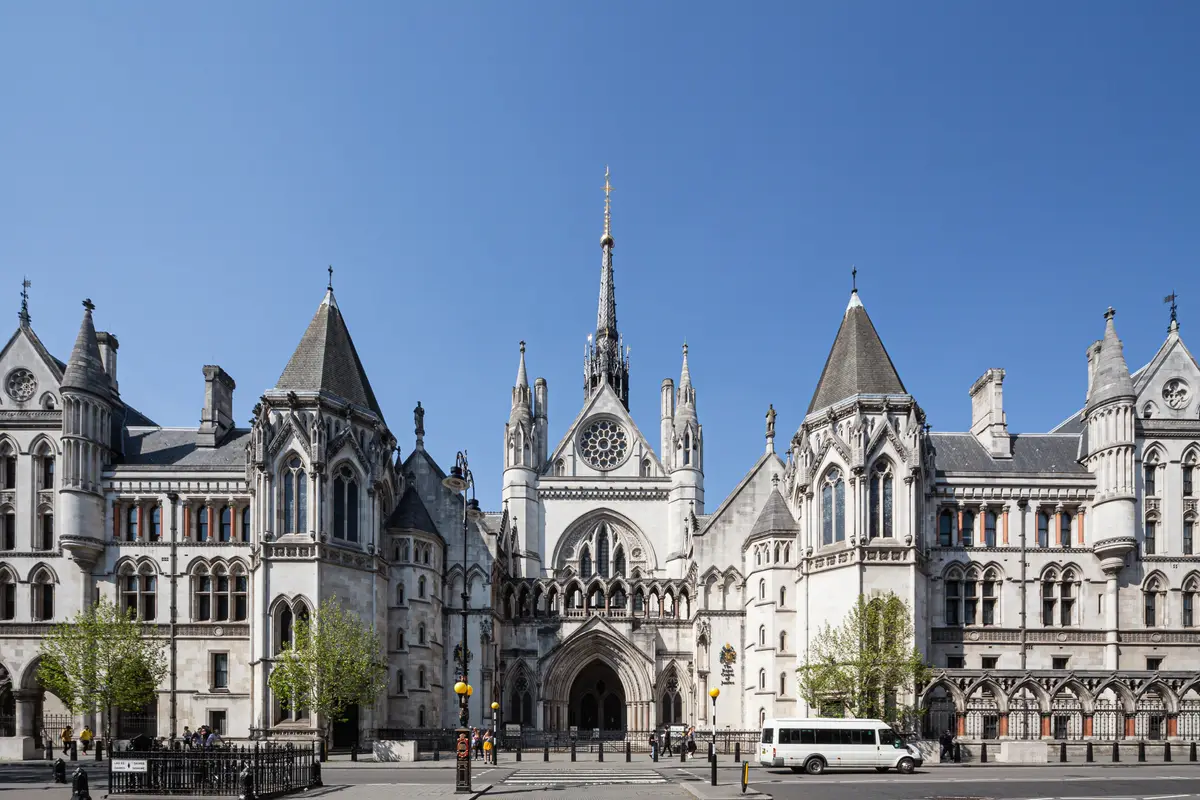
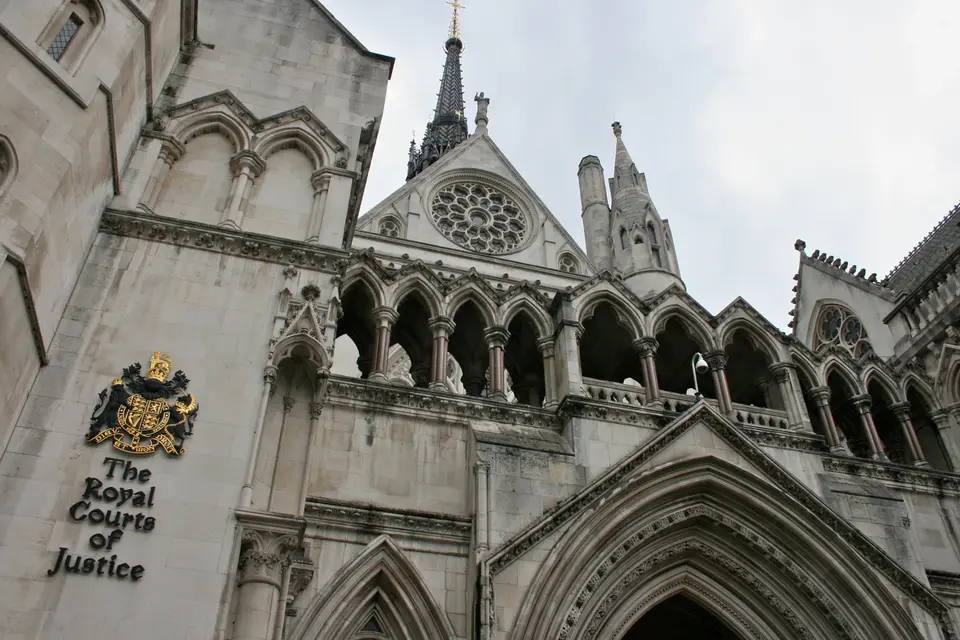
The High Court in London held a two-day hearing on July 29 and 30 over the costs of a failed privacy case brought by Prince Harry and six other public figures against Associated Newspapers Limited (ANL), publisher of the Daily Mail, The Mail on Sunday and MailOnline. ANL reported spending nearly £34.5 million, but that is a claimed cost total rather than the amount the court has ordered the claimants to pay.
ANL sought an interim payment of nearly £10 million, while the claimants offered £8 million by August 28. The report converted those sums to about US$13.3 million and US$10.6 million on July 29; the dollar conversions below use the same reported rate.
The court dismissed all seven claims
The claimants were Baroness Lawrence of Clarendon, Elizabeth Hurley, Sir Elton John, David Furnish, Sir Simon Hughes, Prince Harry and Sadie Frost Law. They alleged misuse of private information or breach of confidence arising from unlawful information gathering, including deception, phone hacking, private investigators and corrupt payments.
Mr Justice Nicklin dismissed the claims on July 7 after a 46-day trial, finding that the claimants had not proved their pleaded allegations of unlawful information gathering. The official summary says suspicion was not enough and the court could not infer unlawful sourcing merely because information was private and ANL could not give a positive account of its source.
The £34.5 million figure is not the final bill
The court heard that ANL had incurred nearly £34.5 million in costs and exceeded its approved budget by more than £18.6 million. Those figures are about US$45.9 million and US$24.7 million at the July 29 reported exchange rate.
A reported expenditure is not the same as a recoverable award. The court can reduce costs during assessment, and the parties disagree over the rules that should govern that process. The claimants have accepted that a costs order should follow their defeat but oppose ANL's request for the more favorable indemnity basis.
Standard and indemnity assessment shift the test
The Civil Procedure Rules for England and Wales give courts discretion over whether costs are payable, how much is payable and when, although the general rule is that the unsuccessful party pays the successful party's costs. The rules also call for a reasonable payment on account when costs will undergo a detailed assessment, unless there is a good reason not to order one.
On the standard basis, recoverable costs must be reasonable and proportionate, and doubts are resolved in favor of the paying party. On the indemnity basis, the proportionality test does not apply in the same way and doubts over reasonableness are resolved in favor of the receiving party. Neither basis permits costs that were unreasonably incurred or unreasonable in amount.
ANL argued for indemnity assessment, while the claimants asked for the standard basis. That choice may affect how much of the publisher's spending survives detailed assessment, particularly because the reported total exceeded its approved budget.
Insurance does not establish each claimant's liability
The claimants told the court they had combined legal-cost insurance cover of £16.2 million, about US$21.5 million at the July 29 reported rate. The figure is less than half ANL's reported expenditure, but it does not establish the eventual uninsured amount because the court has not fixed the recoverable costs.
Public reporting also does not show how the insurance limit, policy conditions or any private arrangements divide exposure among the seven claimants. Dividing the difference by seven would therefore produce an unsupported estimate of individual liability.
A written costs decision remains pending
The hearing ended with a decision on the interim payment and assessment basis due in writing later. A detailed assessment will be needed to settle the recoverable total if the parties do not agree it.
APPI News could not find a published costs ruling after the July hearing when it checked on August 9, 2026. Until the court issues that decision, the £34.5 million headline figure, the requested £10 million payment and the insurance shortfall remain inputs to the dispute rather than final liabilities.
Sources and further reading
- Lawrence and others v Associated Newspapers Limited(Courts and Tribunals Judiciary)
- Judgment summary in Lawrence and others v Associated Newspapers Limited(Courts and Tribunals Judiciary)
- Daily Mail seeks $13 million interim payment after Prince Harry loses lawsuit(The National)
- Harry and Mail case group could face gap of millions in legal insurance cover(Perspective Media / PA Media)
- Civil Procedure Rules Part 44: General rules about costs(UK Ministry of Justice)