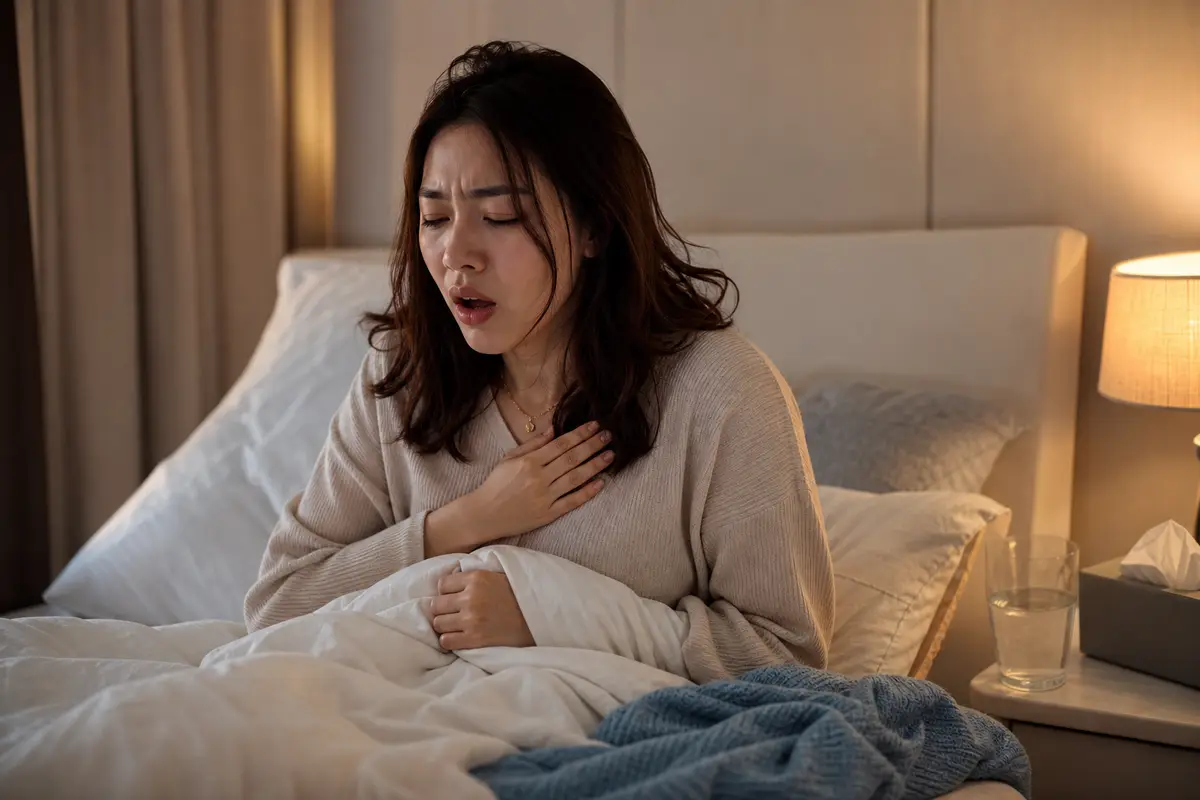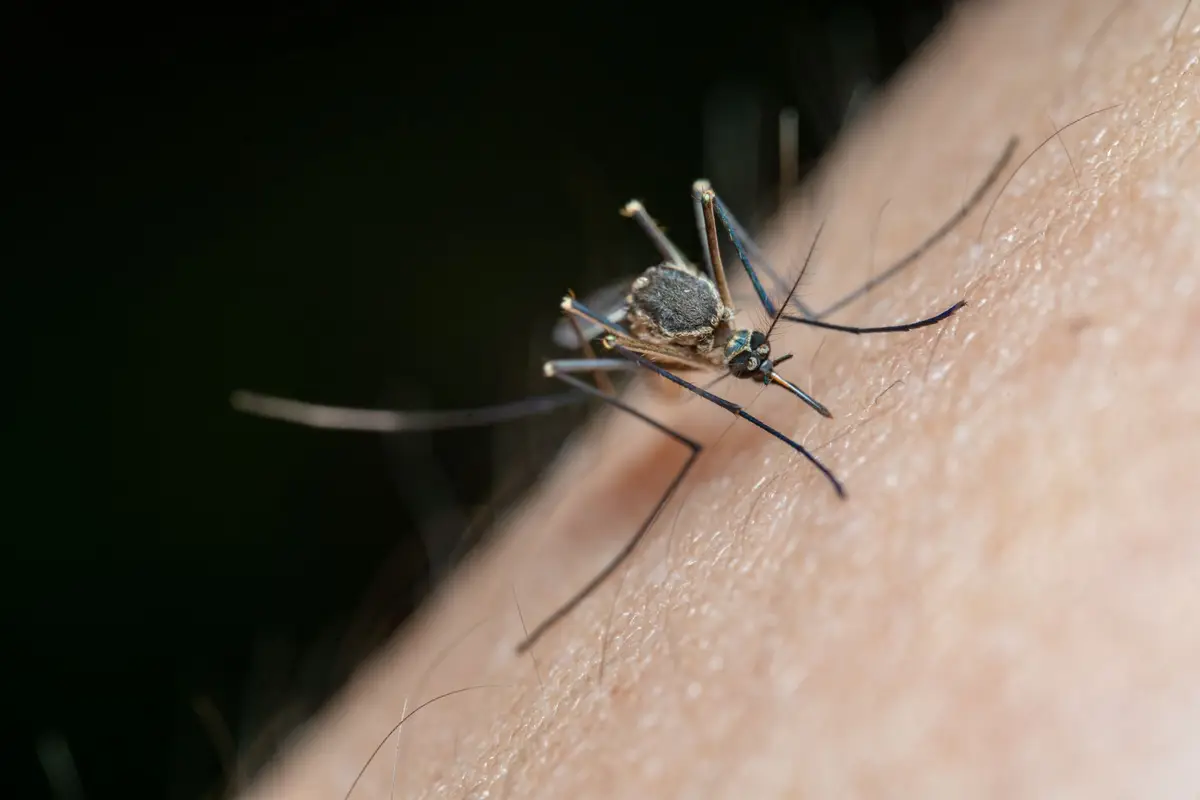
Most insect bites and stings cause a small, itchy or painful reaction that improves within a few days. Washing the area and using a wrapped cold pack can ease symptoms, but breathing difficulty needs emergency help and an increasingly painful, hot or spreading area needs clinical assessment.
The response depends on the insect, the location of the bite or sting and the person's medical history. A local reaction can become larger over several hours without being infected, so size alone does not provide a diagnosis.
Breathing difficulty or spreading infection signs need prompt care
Call the local emergency number if the lips, mouth, throat or tongue swell suddenly; breathing becomes fast or difficult; the throat feels tight; swallowing becomes difficult; or the person faints, becomes confused or cannot be woken. England's National Health Service (NHS) identifies these as signs of a serious allergic reaction that may require immediate hospital treatment.
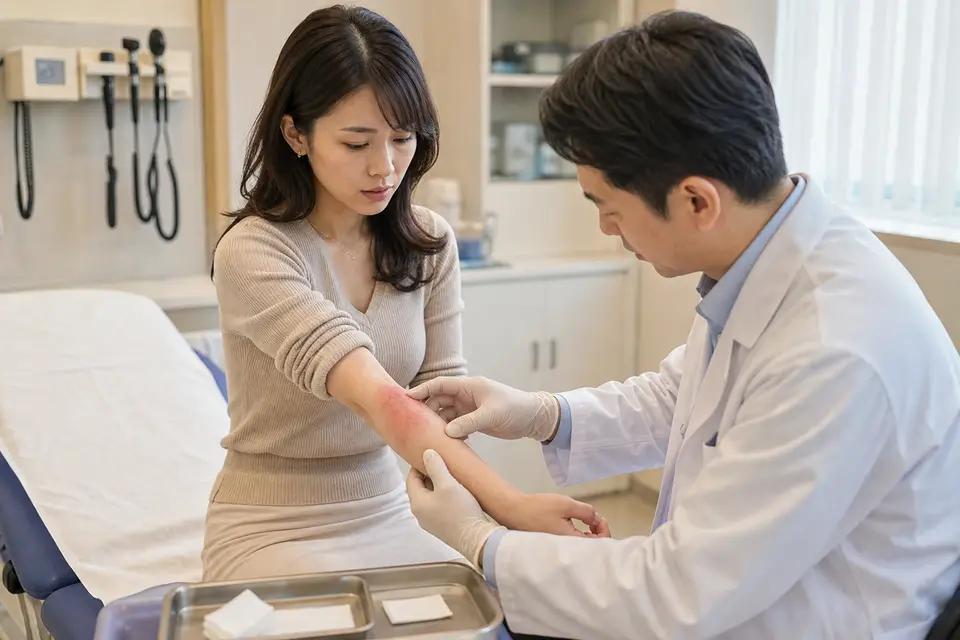
Arrange same-day medical assessment if redness or swelling increases rapidly, the skin becomes hot and painful, a red line extends away from the bite, pus appears, glands swell or flu-like symptoms develop. Cambridge University Hospitals says infection can develop two to three days after a bite or sting, particularly when scratching has broken the skin.
Care is also warranted when symptoms keep worsening, the sting occurred inside the mouth or throat or near an eye, or the insect cannot be identified and the reaction is unusual. Emergency numbers and same-day care routes vary by country.
Clean the area and cool the swelling
If no stinger, tick or other material remains in the skin, wash the area with soap and water. Apply an ice pack wrapped in cloth or a clean cloth soaked in cold water for about 20 minutes when swelling is present. Keep the affected arm or leg raised when practical.
Avoid scratching because broken skin can let bacteria enter. Do not apply ice directly to the skin, and do not rely on baking soda or other household mixtures. A pharmacist or clinician can advise whether an itch treatment is appropriate for the person's age, health conditions and current medicines.
Medicine names and formulations differ among markets. This guide does not recommend a particular cream or oral medicine, and availability and regulatory status vary by country.

Broken skin shifts the priority to wound care
Once scratching has opened the skin, wash the area gently with soap and water and stop picking at it. A clean dressing can protect it from further friction and scratching. Increasing pain, heat, swelling, discharge or spreading redness needs medical assessment.
Leave an intact blister closed. The NHS advises keeping a blister clean, covering it with a soft dressing and not bursting it or peeling away the skin. A clinician may drain a large or painful blister under clean conditions, but that is different from puncturing it at home.
Repeated scratching is not harmless. It damages the skin barrier, while waiting until fever or pus appears can delay treatment of an infection.

Children, pregnancy and chronic illness require separate decisions
Infants and children
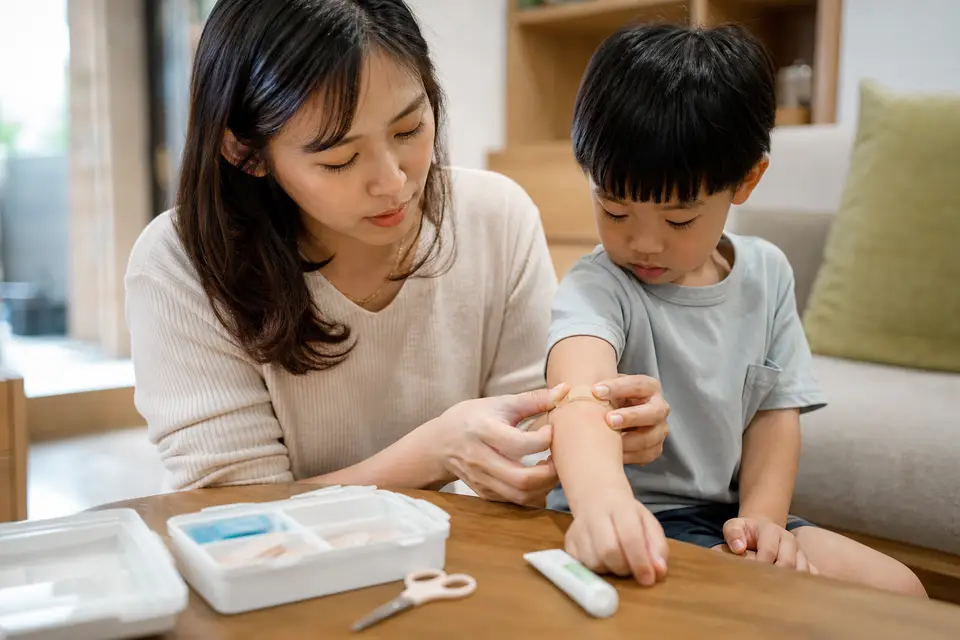
Keep a child's fingernails short and clean and consider a clean dressing over an area the child repeatedly scratches. The American Academy of Pediatrics says short, clean nails reduce the infection risk from scratching and advises prompt pediatric assessment when a bite becomes redder, larger or more swollen, develops red streaks or yellow fluid, or is accompanied by fever.
Sudden breathing difficulty, weakness, loss of consciousness or body-wide hives after a bite or sting requires emergency help. Medicine choices and age limits should be checked with a pediatric clinician or pharmacist rather than inferred from adult instructions.
Pregnancy
Washing and a wrapped cold pack avoid medication exposure, but a pregnant person considering any medicated cream, pain reliever or antihistamine should first ask a clinician, midwife or pharmacist. The NHS advises checking both prescribed and nonprescription medicines during pregnancy and not stopping a regular prescription without medical advice.
Diabetes, weakened immunity and regular medicines
People with diabetes, weakened immunity or medicines that suppress immunity should seek clinical advice earlier when a bite becomes hot, painful or increasingly swollen. North Tees and Hartlepool NHS Foundation Trust lists insect bites, poorly controlled diabetes and immune suppression from illness or medicine among factors associated with cellulitis.
Do not stop or alter a regular medicine because of a bite without speaking to the prescribing clinician. APPI News could not verify a single treatment threshold or medicine protocol adopted in every country.
Frequently asked questions
How long does an ordinary insect bite last?
England's NHS says a bite or sting should improve within a few days. Symptoms that worsen, remain severe or develop infection signs need assessment.
What can reduce itching and swelling?
Wash the skin, then use a wrapped ice pack or clean cold cloth for about 20 minutes if the area is swollen. Avoid scratching and ask a pharmacist or clinician before using a medicated product.
When is a bite an emergency?
Sudden mouth or throat swelling, breathing or swallowing difficulty, fainting, confusion or reduced responsiveness requires emergency help.
Can an insect-bite blister be popped?
No. Keep it clean and covered without puncturing or peeling it. A large, very painful or infected blister needs clinical assessment.
What suggests infection after scratching?
Rapidly spreading redness or swelling, increasing pain, heat, pus, a red line leading away from the bite, swollen glands or flu-like symptoms can indicate infection and warrant same-day assessment.
Sources and further reading
- Insect bites and stings(National Health Service in England)
- Insect bites and stings(Cambridge University Hospitals NHS Foundation Trust)
- Blisters(National Health Service in England)
- Insect Bites & Stings in Children(American Academy of Pediatrics)
- Medicines in pregnancy(National Health Service in England)
- Cellulitis(North Tees and Hartlepool NHS Foundation Trust)