England's National Health Service (NHS) lists salt-water nasal cleaning among the self-care options for mild sinusitis, alongside rest and fluids. A saline rinse can loosen mucus and wash out pollen or other debris, but it is an option for symptom relief rather than a proven way to shorten every cold or determine the cause of congestion.
The evidence is modest. A 2015 Cochrane review identified five trials with 749 participants and found that saline irrigation may relieve some acute upper-airway symptoms, while most results showed no difference from usual care. Most trials were small or had design problems, and the evidence search ended in August 2014.
Breathing trouble, chest pain or confusion needs emergency care
Nasal blockage alone is usually not an emergency. Emergency care is needed when a respiratory illness brings difficulty breathing, persistent pain or pressure in the chest, persistent dizziness, confusion, inability to wake, a seizure, severe weakness, or pale, gray or blue lips, skin or nail beds. The US Centers for Disease Control and Prevention lists these as emergency warning signs of complications from respiratory illnesses. Children also need immediate care for fast or labored breathing, ribs pulling inward with each breath, dehydration or reduced alertness.
A clinician should assess symptoms that are rapidly worsening, keep returning or remain unimproved after three weeks of self-care. England's NHS also advises prompt clinical help when a person is very unwell, pain relief is not helping, symptoms are worsening or immune function is weakened.

Safe water is the first requirement for a saline rinse
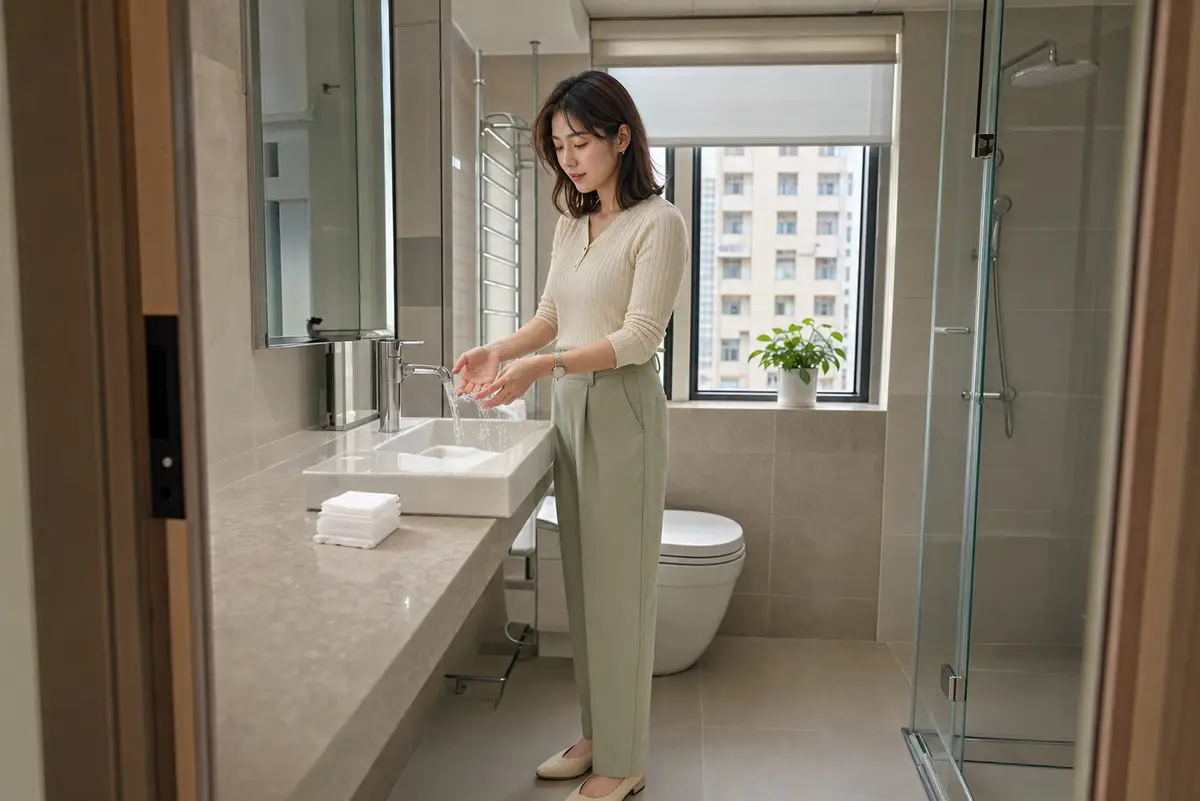
Only distilled, sterile or previously boiled and cooled water belongs in a nasal-rinsing device. Tap water can contain low levels of organisms that are safe to swallow but can cause serious infection when introduced into the nose. The US Food and Drug Administration advises boiling tap water for three to five minutes, cooling it until lukewarm and storing it in a clean, closed container for no more than 24 hours.
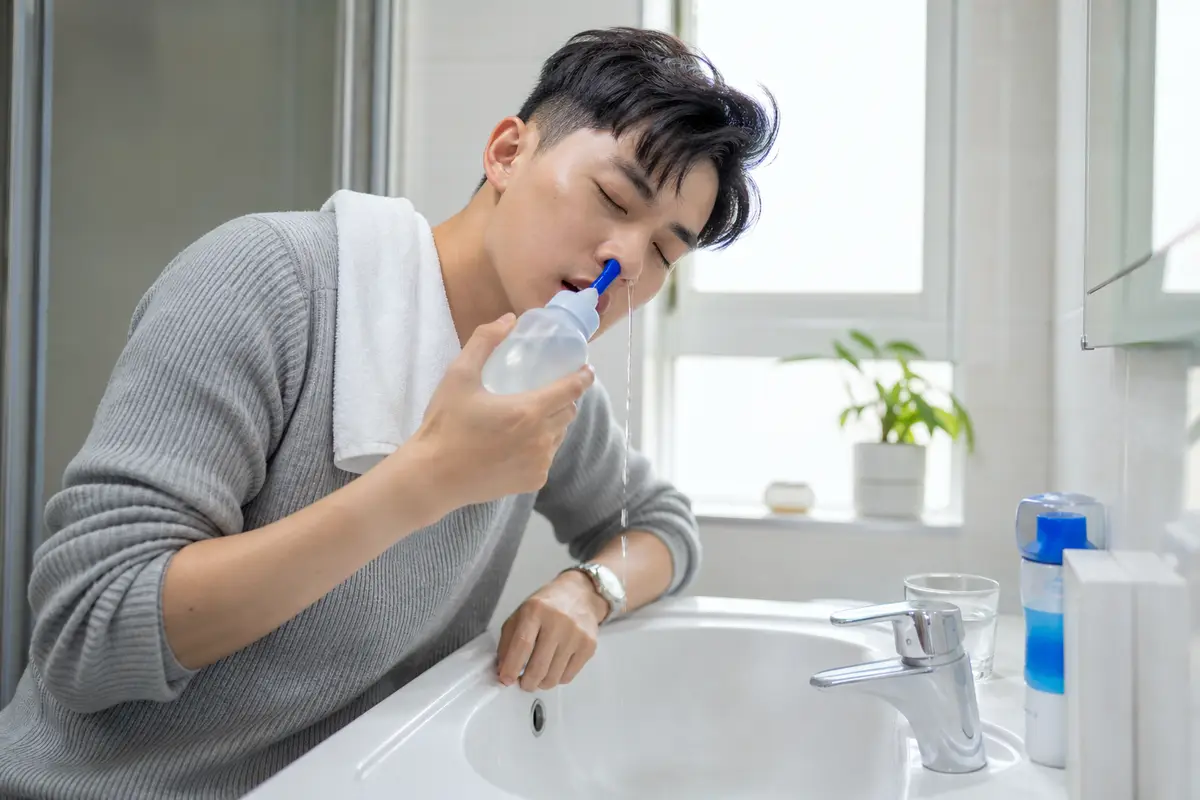
Hands and the device should be clean and dry before the solution is prepared. The device maker's instructions should determine the position and cleaning method. The US agency advises leaning over a sink, keeping the forehead and chin roughly level, breathing through the open mouth and allowing the solution to drain through the other nostril. The device should be washed and dried after use.
England's NHS gives a homemade option for adults with mild sinusitis: about 570 milliliters of boiled and cooled water mixed with one teaspoon of salt and one teaspoon of baking soda. Its instructions call for a fresh batch each time and allow cleaning up to three times a day. A packaged saline product or rinse kit should be used according to its own label because concentrations and device designs differ.
Stop the rinse and seek clinical advice if congestion worsens or fever, headache or a nosebleed develops during use. A person with impaired immune function should ask a clinician before nasal irrigation rather than assuming general instructions are suitable.
Bathroom steam may ease stuffiness but hot bowls can burn
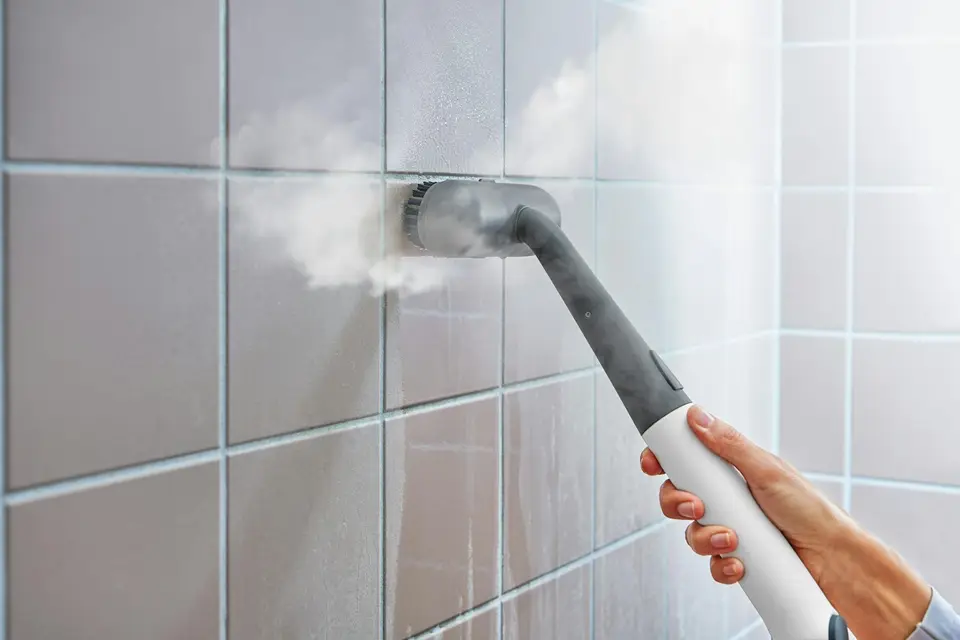
Rest and adequate fluids are standard self-care measures during a cold. England's NHS says sitting in a bathroom with a hot shower running may ease a blocked nose, but children should not inhale steam from a bowl of hot water because of the scald risk. This is a comfort measure; the guidance does not show that steam shortens the infection.
A hot-water bowl should not be placed in front of an adult or child. Shower-generated steam avoids carrying an open container of very hot water, though bathrooms still require supervision for young children and care around hot surfaces.
Decongestant sprays are short-term medicines
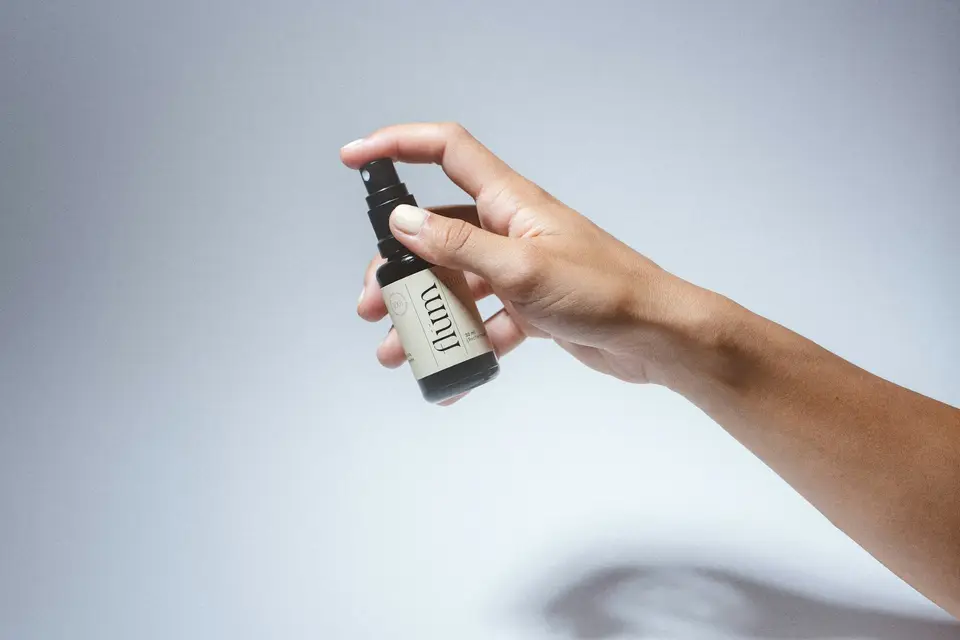
Decongestant sprays and drops are medicines, not saline rinses. England's NHS says these products should not be used for more than five days because longer use can make nasal stuffiness worse. The product label and advice from a pharmacist or clinician take priority, and age limits, formulations and regulatory status vary by country.
Using more than one congestion medicine at the same time can duplicate ingredients. Anyone taking other medicines, or living with high blood pressure, diabetes, glaucoma, an overactive thyroid, or heart, circulation, liver or kidney problems, should consult a pharmacist or clinician before using a decongestant. Some decongestants can interact with antidepressants and cause a dangerous rise in blood pressure.
Children, pregnancy and chronic illness require separate decisions
Infants and children
A nasal-rinsing device must fit the child's age, and the US Food and Drug Administration advises discussing irrigation with a pediatric clinician first. Very young children may not tolerate the procedure. The water-safety and device-cleaning rules are the same, while a bowl of hot water must not be used for steam.
England's NHS advises clinical assessment when a child aged 11 or younger has sinusitis symptoms. Immediate care is needed for fast or difficult breathing, ribs pulling inward, pale, gray or blue color, dehydration, reduced alertness or any other emergency warning sign.
Pregnancy and breastfeeding
APPI News could not verify a different non-drug rinsing procedure for pregnancy from the cited sources. Safe-water rules still apply. Any decongestant use during pregnancy requires advice from a healthcare professional, while England's NHS does not recommend swallowed decongestants during breastfeeding and advises checking before using a nasal product.
Weakened immunity, chronic conditions and regular medicines
A person with weakened immune function should consult a clinician before nasal irrigation. Chronic conditions and regular medicines do not change the need for urgent assessment when warning signs appear, but they may change whether a decongestant is suitable. Prescribed medicine should not be stopped, reduced or replaced without the prescribing clinician's direction.

Frequently asked questions
Does a saline rinse cure a cold?
No. It may loosen mucus and reduce some nasal symptoms, but the Cochrane review found limited and low-quality evidence for acute upper-airway infections. It does not establish the cause of congestion or replace assessment when warning signs appear.
Can tap water be used in a nasal rinse?
Not directly. The water should be distilled, sterile or boiled for three to five minutes and cooled before use. The device also needs cleaning and drying after each use.
Is steam safe for a child with a blocked nose?
A bowl of hot water is not safe because it can cause a scald. England's NHS suggests a steamy bathroom as an alternative comfort measure, with adult supervision.
How long can a decongestant nasal spray be used?
England's NHS sets a five-day limit for decongestant sprays and drops. Labels and rules vary by product and country, so a pharmacist or clinician should advise when symptoms persist or the product is unsuitable for the person's age or health conditions.
When should persistent congestion be assessed?
Clinical assessment is appropriate when symptoms worsen, keep returning or do not improve after three weeks of self-care. Breathing difficulty, chest pain, confusion, reduced alertness or pale, gray or blue skin requires emergency care.
Sources and further reading
- Nasal saline irrigation for acute upper airway infection symptoms(Cochrane)
- Sinusitis (sinus infection)(National Health Service in England)
- Common cold(National Health Service in England)
- Decongestants(National Health Service in England)
- Is rinsing your sinuses with neti pots safe?(US Food and Drug Administration)
- About respiratory illnesses(US Centers for Disease Control and Prevention)