Ireland's national police charged two people after officers intercepted a viable explosive device in County Monaghan on July 22. Simon O'Donovan, a 44-year-old National Museum of Ireland employee, was denied bail, while 25-year-old law student Isobella Perrie Sullivan received conditional bail subject to a surety and other restrictions.
An Garda Síochána said its Special Detective Unit stopped a vehicle on the N2 south of Carrickmacross at about 3 p.m. and called an Irish Defence Forces explosive ordnance disposal team to examine it. A detective later told a court that a bag in the vehicle contained 394 grams of military-grade Semtex, a timer switch and a working detonator.
Court heard that a bag moved from the museum to the car
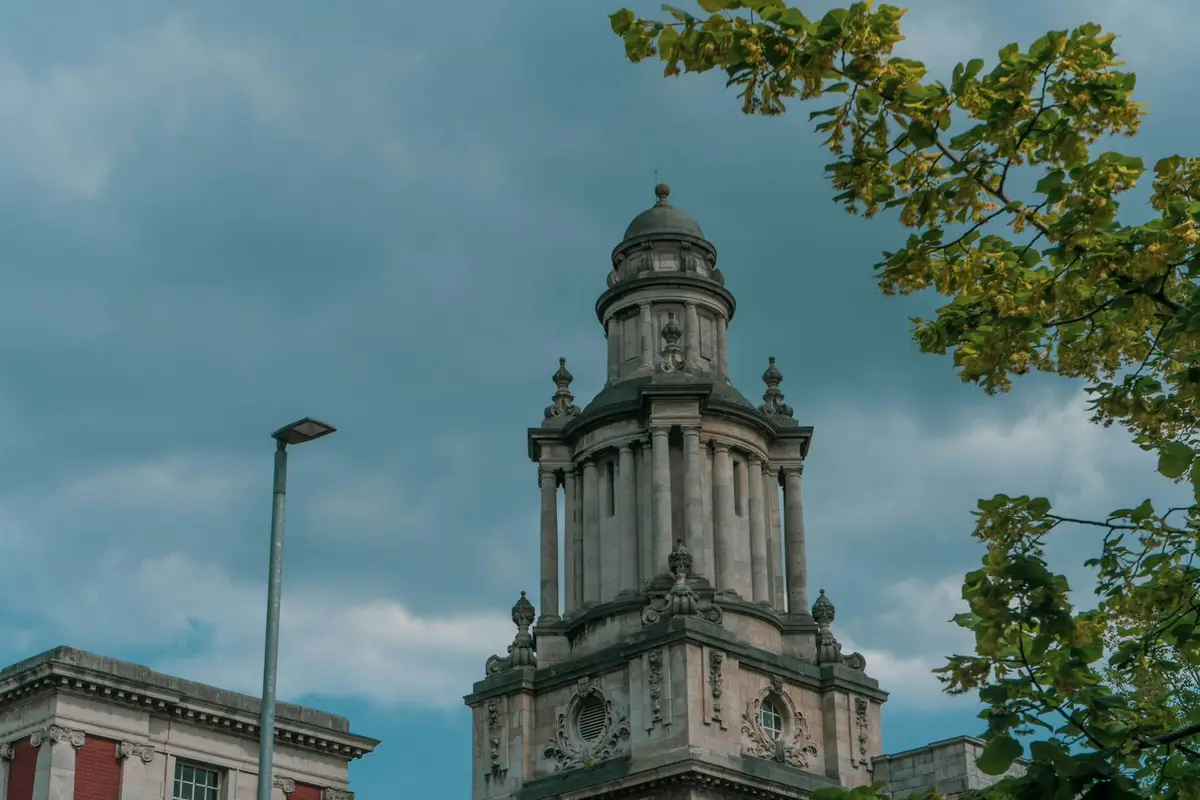
A detective told the bail court that security footage showed O'Donovan leaving his workplace at the National Museum of Ireland's Collins Barracks site with a black holdall on July 22. The detective alleged that O'Donovan met Sullivan at Dublin's War Memorial Gardens, showed her the contents and handed her the bag before she drove toward Carrickmacross.
The same court report said the distinctive bag was later found in the rear of Sullivan's vehicle. These details were police evidence presented during bail proceedings and had not been tested at a criminal trial by the time this report was published.
One defendant was denied bail and the other received conditions
O'Donovan appeared before Ireland's Special Criminal Court, a three-judge court that sits without a jury in specified serious cases. He was charged with knowingly possessing an improvised explosive device in circumstances that raised a reasonable suspicion it was not held for a lawful purpose.
Sullivan appeared before Trim District Court and was charged with possession of explosives. The court approved bail subject to a €15,000 independent surety, surrender of her passport, daily reporting to a police station, a 9 p.m.-to-7 a.m. curfew and no contact with members of Saoradh or the New IRA.
The €15,000 surety was worth about US$17,100 using the European Central Bank's July 24, 2026 reference rate of US$1.1377 per euro. Approval of conditional bail did not mean Sullivan was free to leave custody before the surety and other requirements were satisfied.
Police alleged a link to dissident republican activity
An Garda Síochána described the vehicle stop as part of an operation targeting dissident republican activity. During O'Donovan's bail hearing, a detective alleged that releasing him could allow further activity in support of the New IRA, which the court report described as a dissident republican group.
The allegation does not establish that either defendant belonged to the organization or acted on its behalf. Police had not publicly identified the device's intended target or disclosed its origin by the July 26 publication date.
The defense account remains untested
Sullivan's lawyer told Trim District Court that she had been asked to take a bag north, did not know what it contained and had been manipulated. That account was a defense submission rather than a finding by the court.
O'Donovan also disputed the police account during his bail hearing. The proceedings reported here concerned charges and release conditions; questions of possession, knowledge and any connection between the defendants remained for later court proceedings.
Frequently asked questions
What did police find in the vehicle?
A detective said the bag contained 394 grams of military-grade Semtex, a timer switch and a working detonator. The Irish Defence Forces bomb-disposal team examined the vehicle after the police stop.
Why were the bail outcomes different?
The courts considered each defendant separately and under different conditions. O'Donovan's application was refused, while Sullivan received consent to bail only after meeting a surety and several reporting, travel and contact restrictions.
Has a court found a New IRA connection?
No such finding had been made by the publication date. The claimed connection came from the police investigation and evidence presented at a bail hearing.
Sources and further reading
- Operation Targeting Dissident Republican Activity - N2, Carrickmacross, Co. Monaghan(An Garda Síochána)
- Dublin man allegedly stored explosive device at Collins Barracks National Museum, court hears(TheJournal.ie)
- Law student (25) granted bail and man (40) charged over car bomb seized in Co Monaghan(The Irish Times)
- ECB euro reference exchange rate: US dollar(European Central Bank)