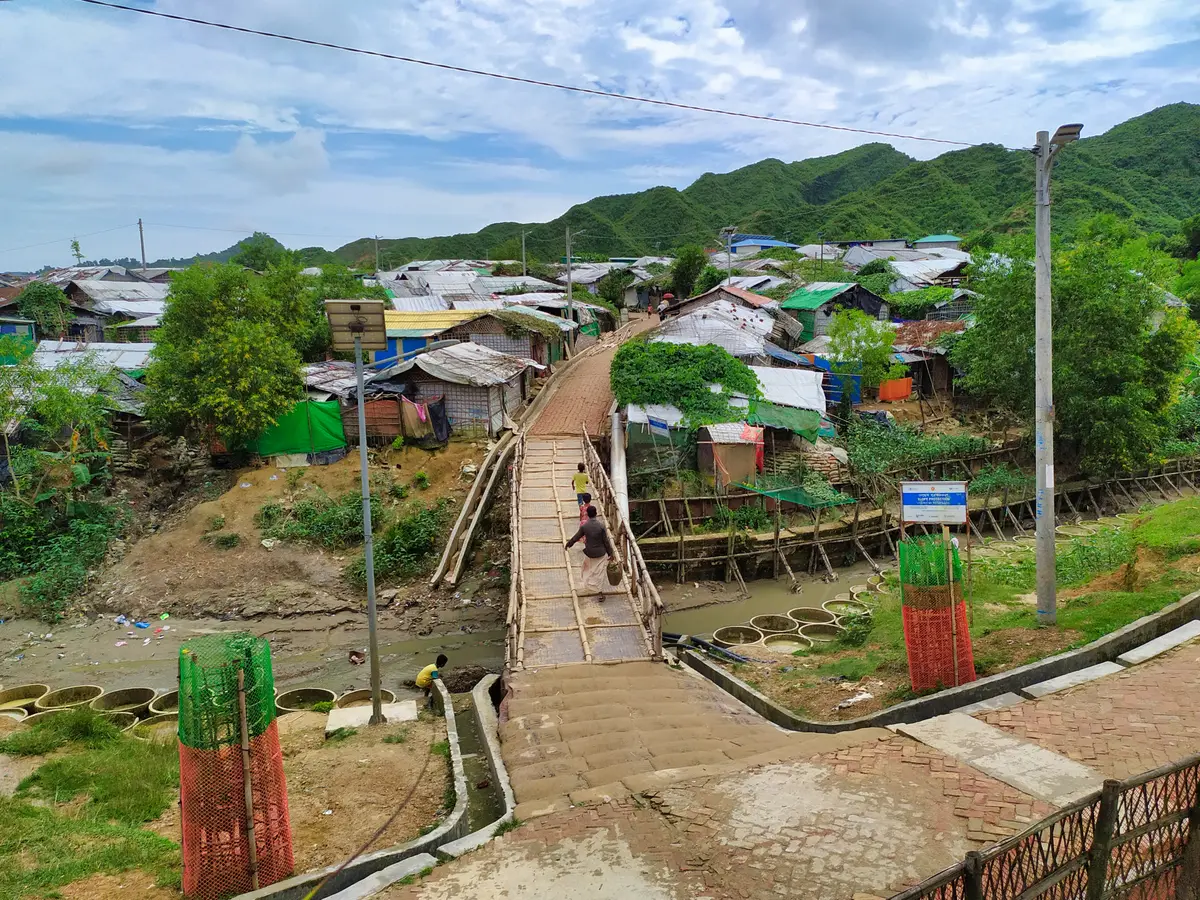
Myanmar's foreign ministry said on August 15 that it had checked 426,545 of 828,824 names supplied by Bangladesh and classified 308,797 people as former residents of Rakhine State. The ministry said it would receive verified former residents when security in Rakhine became more stable, but it gave no timetable or measurable safety threshold.
Bangladesh's foreign ministry challenged elements of the statement on August 18, calling some population statistics erroneous and asking Myanmar to account for children born in the camps and people who arrived after 2017. Bangladesh did not publish a separate audit of the 308,797 figure in that response, and APPI News could not find published confirmation of Myanmar's categories from the Office of the United Nations High Commissioner for Refugees (UNHCR) at the time of writing.
The verification is a record check, not a return schedule
Myanmar divided the processed names into three groups: 308,797 classified as former Rakhine residents, 113,507 whose data it said could not be verified and 4,241 whom it alleged had been involved in terrorist activity. The last category is a Myanmar government allegation, not a judicial finding presented with supporting evidence in the statement.
A residence match answers only whether Myanmar authorities say they linked a person to a former address in Rakhine. It does not grant citizenship, record that person's consent or show that the place of return is safe. UNHCR says repatriation must be based on each refugee's freely expressed and informed decision, supported by reliable information about conditions in the country and area of return.
UNHCR and Bangladesh agreed in April 2018 on a framework for voluntary returns once conditions in Myanmar became conducive. Myanmar's August 2026 statement says planned movements in January 2018, November 2018 and August 2019 produced no returns.
War in Rakhine blocks the safety condition
The United Nations' plan for 2026, issued in December 2025, says the Arakan Army, an ethnic armed group, captured 15 of Rakhine's 17 townships and that its offensive drove an estimated 121,000 Rohingya into Bangladesh. It estimated that about 550,000 Rohingya remained in Rakhine as of June 30, 2025, where communities faced recurrent violence, discrimination, movement restrictions and sharply limited access to basic services.
The Associated Press reported on August 15, 2026, that fighting between the Arakan Army and Myanmar's military continued and that the armed group controlled much of Rakhine. That regional description is not a district-level live map or an assessment that any area is safe for return.
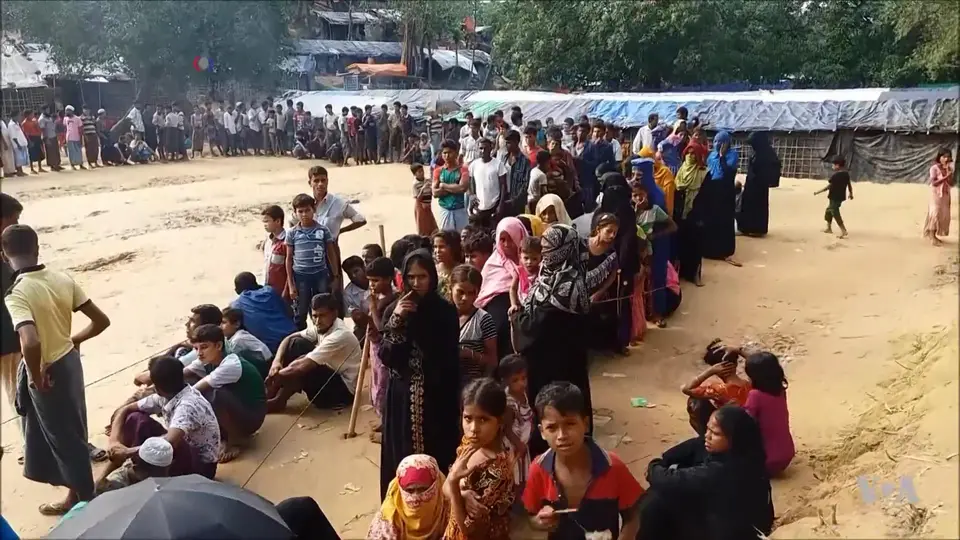
The United Nations plan is a planning snapshot rather than a live map of territorial control. Fighting, control and displacement can change after publication, so the plan cannot supply a date for Myanmar's undefined test of a "more stable" Rakhine.
Myanmar's August 15 statement does not identify who will judge that threshold, what evidence will be used or whether UNHCR will have access to assess return areas. The verified list therefore supports possible future processing; it does not show that repatriation is ready to begin.
Malaysia's 5,000-person proposal has conflicting descriptions
Malaysia's deputy foreign minister told the country's Senate on July 23 that about 5,000 Myanmar nationals in immigration detention were candidates for return, subject to Myanmar's readiness to receive them. The official record describes them by nationality and detention status rather than as a settled list of Rohingya refugees.
Six days later, Malaysian Prime Minister Anwar Ibrahim described the proposed returnees as Rohingya, while Malaysia's home minister said screening covered Myanmar nationals with refugee status without identifying all 5,000 as Rohingya. Myanmar foreign ministry official Han Win Aung told the Associated Press that talks concerned verified Myanmar nationals in Malaysian detention centers, rejected reports that Myanmar would receive Rohingya and said the number and timing were still under discussion.
Malaysia's National Security Council later reported government spokesperson Fahmi Fadzil saying the country would not send any of the 5,000 back if they faced persecution or threats to their lives. He said Malaysia's government still had to review safety and identify the people involved.
The public record therefore lacks an agreed description of the group, a final list and a transfer timetable. The available statements show screening and negotiations, not a completed Rohingya repatriation deal or a return operation that has begun.
Frequently asked questions
How many names did Myanmar verify?
Myanmar said it processed 426,545 of 828,824 names supplied by Bangladesh and classified 308,797 as former Rakhine residents. Those are Myanmar's categories, and APPI News found no published independent audit of them.
Are the 308,797 people returning now?
No return schedule has been announced. Myanmar said it would wait for security in Rakhine to become more stable but did not define that condition.
Did Myanmar agree to receive 5,000 Rohingya from Malaysia?
Anwar said it did, but a Myanmar foreign ministry official denied that description and said the discussions involved verified Myanmar nationals in detention. Malaysia was still identifying potential returnees and reviewing safety.
What is required for a voluntary return?
UNHCR says each refugee must make a free and informed decision based on reliable information about conditions at the destination. A government residence check does not by itself establish consent or safety.
Sources and further reading
- Press statement on Myanmar's ongoing efforts on repatriation of displaced persons from Rakhine State(Ministry of Foreign Affairs, Myanmar)
- Bangladesh flags concerns over recent Rohingya narrative based on erroneous statistics(United News of Bangladesh)
- Myanmar Humanitarian Needs and Response Plan 2026(United Nations Office for the Coordination of Humanitarian Affairs)
- Myanmar says over 300,000 Rohingya refugees verified for repatriation(Associated Press)
- Bangladesh and UNHCR agree on voluntary returns framework for when refugees decide conditions are right(Office of the United Nations High Commissioner for Refugees)
- Statement by UN High Commissioner for Refugees on the repatriation of Rohingya refugees to Myanmar(Office of the United Nations High Commissioner for Refugees)
- Malaysia Senate Hansard for July 23, 2026(Parliament of Malaysia)
- Malaysia begins screening 5,000 refugees for their planned return to Myanmar(Associated Press)
- Malaysia will not return 5,000 Rohingya if lives are at risk(National Security Council, Malaysia)