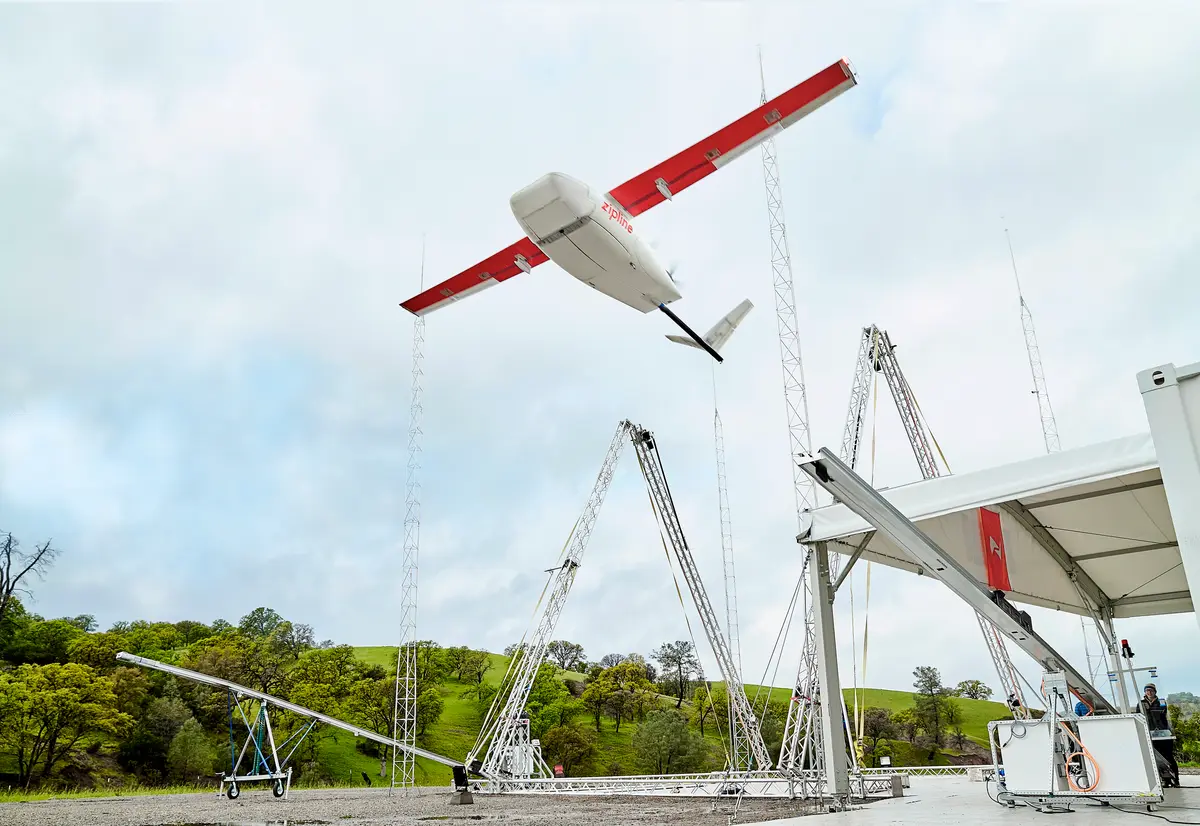
Rwanda is expanding the medical drone network it began using for blood deliveries in 2016, adding another hub and an urban service under an agreement signed in February 2026. The aircraft can move small, urgent consignments past slow roads, but NPR found that rural facilities receiving supplies by air still faced shortages of equipment, staff support and nutrition services.
The distinction matters because a rapid delivery can solve a specific supply problem without closing broader gaps in care. Published research supports faster blood logistics and lower wastage in Rwanda, while the evidence for effects across the entire health system remains narrower.
Blood arrives sooner than it would by road
In April 2026, Noella Mukanoheli traveled for about three hours to reach a hospital while experiencing bleeding late in pregnancy, according to NPR. The hospital did not have her blood type in stock, and two drones brought five liters of blood from Zipline's Muhanga distribution center within minutes. Mukanoheli and her baby survived, but one case cannot establish the network's effect on outcomes nationwide.
Kabgayi Hospital deputy director Evariste Ufitihirwe told NPR that a drone could cover the route from Muhanga in about four minutes, compared with 30 minutes by road. The package descends by paper parachute near the hospital, allowing the aircraft to return without landing.
A broader analysis produced firmer evidence on logistics. A 2022 study in The Lancet Global Health examined 12,733 drone orders delivered to 20 Rwandan facilities from 2017 through 2019. It found a mean delivery time of 49.6 minutes, 79 minutes faster than estimates from the regional blood center and 98 minutes faster than Google Maps driving estimates.
The researchers also associated the service with 7.1 fewer blood-unit expirations each month, equivalent to a 67 percent decline after 12 months. Their road comparisons used estimated rather than observed journeys, and the authors said further work should test cost-effectiveness and results for medical products other than blood.
A delivery network cannot provide care on its own
NPR's reporting followed Mukanoheli after discharge and found problems that faster transport did not resolve. She was malnourished, struggled to breastfeed and had to make another long journey for her baby's follow-up visit. Her experience is one account, but it shows that receiving blood during an emergency does not ensure adequate food, postnatal support or easy access to later appointments.
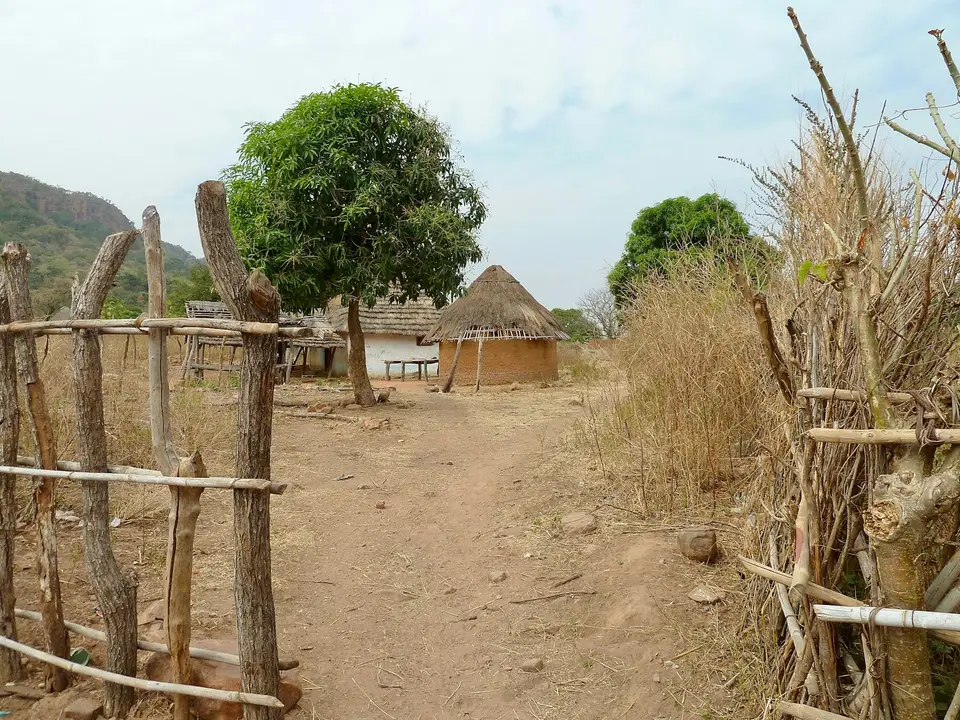
At a remote health post in Ituji, head nurse Rosaline Uwera told NPR that drone deliveries had made vaccine supplies more reliable. The post still lacked an oxygen concentrator and ultrasound equipment. Aircraft can bring stock that fits within their payload limits, but they do not operate diagnostic machines, staff clinics or replace referral transport.
That constraint also complicates claims about maternal mortality. Rwanda's health minister told NPR that the national ratio had fallen from about 1,000 deaths per 100,000 births 26 years earlier to 87. Many changes in access, staffing, facilities and public health occurred over that period, and the reporting does not isolate how much of the decline came from drone delivery.
Independent evidence is narrower than the expansion plan
Rwanda and Zipline agreed in February 2026 to add a hub in Karongi and expand service beyond rural medical deliveries. Zipline said the Karongi hub was expected to serve about 200 health posts and 60 larger facilities. Those are company projections, not independently measured results.
The expansion is tied to US funding. The US government's public spending database lists a $150 million Department of State award to Zipline International. Zipline describes it as a pay-for-performance arrangement covering Rwanda, Ghana, Nigeria, Kenya and Côte d'Ivoire; funds are released as governments sign contracts and commit to paying service fees.
The award can extend the reach of a transport tool whose speed and effect on blood wastage have been measured. It does not finance every input needed around that tool. Whether expansion improves care will also depend on equipment, trained workers, power, ground transport and continuing services after a package arrives.
Sources and further reading
- They're a world leader in using drones for healthcare. But drones can't do it all(NPR)
- Effect of unmanned aerial vehicle delivery on blood product delivery time and wastage in Rwanda(The Lancet Global Health)
- Grant to Zipline International Inc(USAspending.gov)
- Rwanda expands with Zipline to become first country with nationwide autonomous delivery(Zipline)