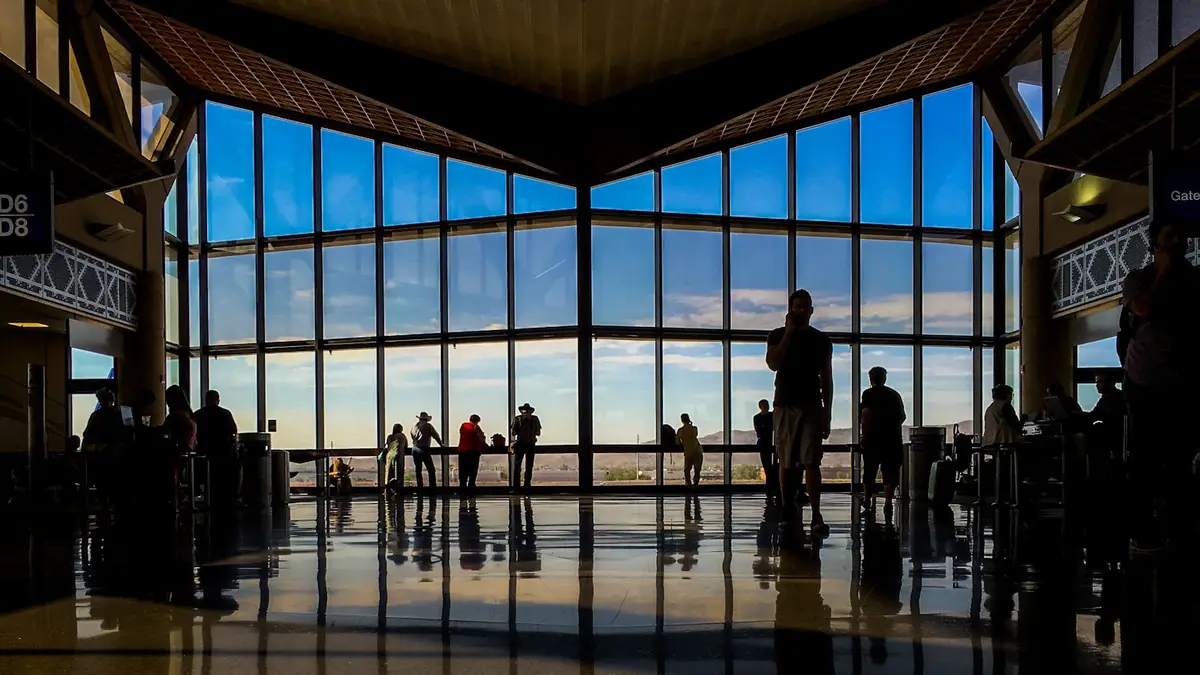
Vietnam Airlines flight VN34 returned to Munich on August 15 after its Boeing 787-9, registration VN-A867, used almost all of runway 26L and reportedly struck its tail during departure for Hanoi. The aircraft remained near the airport, made two low passes and landed on runway 26R with damaged tires. Aviation outlets reported no injuries, but no official cause had been published at the time of writing.
The first reports agree on the late rotation, tail contact and tire damage but differ on parts of the sequence. AeroCorner described a second overrun on landing and placed damage to approach lights during that return, while One Mile at a Time placed the light damage during departure and said the aircraft became disabled on the runway after landing. AIRLIVE reported that the aircraft vacated runway 26R before it was inspected on a taxiway.
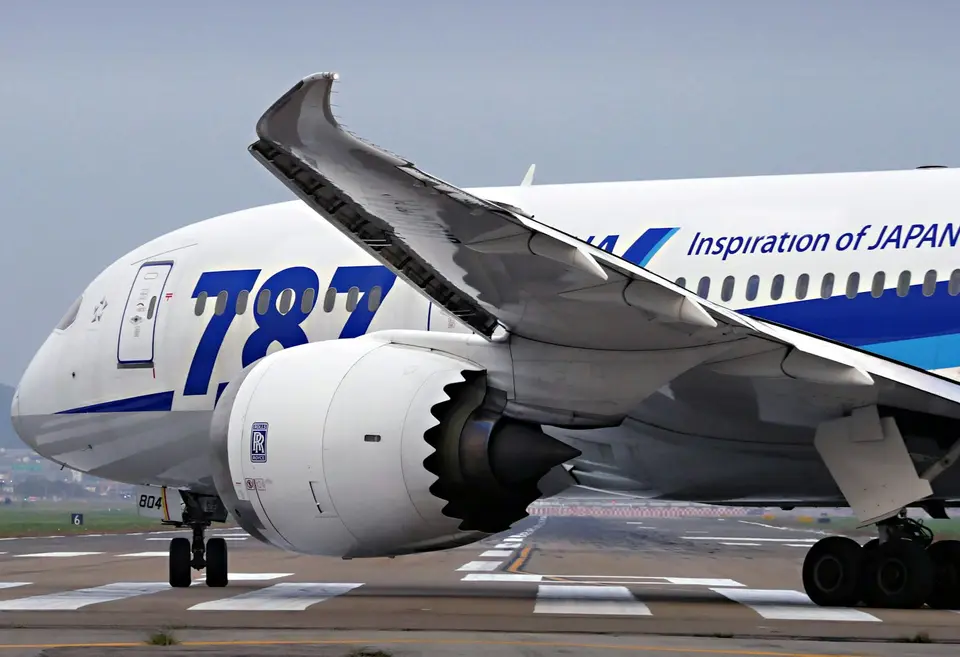
The sequence reconstructed from early reports
The published times do not match exactly. AIRLIVE listed departure at 1:45 p.m. Central European Summer Time, while One Mile at a Time said the takeoff roll began at 1:57 p.m. Central European Summer Time. Both accounts said the aircraft used nearly all of the roughly 4,000-meter runway before becoming airborne amid dust near its end.
After takeoff, the crew stopped the climb at about 3,000 meters following a tire-pressure indication and kept the aircraft near Munich for roughly 90 minutes. Reports described that period as an effort to reduce landing weight and assess the aircraft. Some said fuel was dumped, while others said it may have been burned, so the method is not established.
The 787 made two low passes over runway 26R before landing there, after which emergency vehicles approached and multiple tires were reported damaged. The available accounts do not establish when each tire was damaged. They also do not establish whether the landing itself crossed the runway boundary.
Tail strikes and runway excursions describe different events
A tail strike is contact between the rear of an aircraft and the runway during takeoff or landing. In a separate Boeing 767 case, the Australian Transport Safety Bureau said early, rapid or excessive rotation could bring the aft fuselage into contact with the runway, and maintenance personnel inspected the aircraft before it continued in service. Visible contact alone does not establish the damage or cause in another aircraft.
EUROCONTROL defines a runway excursion as an aircraft veering off or overrunning the runway surface during takeoff or landing. A tail strike and an excursion can occur together, but the terms describe different events and neither assigns a cause.
Boeing data cited by the Australian bureau identified excessive rotation rate and early rotation as common factors in takeoff tail strikes. That finding concerns a different aircraft and event; it is not evidence that either condition existed on VN34. Claims that the crew entered the wrong weight or thrust setting remain speculation unless an investigation supports them.
Why the cause and repair timeline remain open
As of August 16, APPI News could not locate a public incident statement from Vietnam Airlines or Munich Airport, or a case entry from the German Federal Bureau of Aircraft Accident Investigation. The number of people aboard, the crew's formal emergency status, the investigator roster and the recorded evidence therefore remain unconfirmed.
Aircraft data, cockpit recordings, operational documents and physical inspections could resolve the conflicting early details. Until those records are available, the video-supported sequence shows what happened but does not establish responsibility. It also cannot show whether a mechanical fault, performance calculation, aircraft configuration or another factor led to the late rotation.
The visible damage likewise does not provide a reliable repair timetable. APPI News found no airline or investigator source that specified the repair scope or a date for VN-A867 to return to service. Any estimate that the aircraft will be grounded for a set number of months is therefore premature.
Frequently asked questions
Were any passengers or crew injured?
Early aviation reports said no injuries were reported. APPI News could not find an official statement confirming the occupant count or injury status, so that information remains preliminary.
Did VN34 overrun a runway twice?
The available accounts do not support a definitive answer. AeroCorner reported a second excursion after landing, One Mile at a Time said the aircraft became disabled on the runway, and AIRLIVE said it vacated the runway before stopping on a taxiway. An official occurrence record is needed to settle the classification.
Why did the aircraft hold near Munich and make low passes?
Early reports said the holding period reduced landing weight and that two low passes allowed a visual check before landing. The reports do not agree on whether fuel was dumped or burned, and no official account of the crew's decisions was available.
Has the cause been identified?
No. Incorrect takeoff data or thrust settings are generic possibilities raised in early commentary, not findings about VN34. The cause should remain open until investigators publish evidence.
Sources and further reading
- Vietnam Airlines Boeing 787 Suffers Botched Takeoff In Munich: Runway Overrun, Tail Strike, Shredded Tires(One Mile at a Time)
- Vietnam Airlines 787 Strikes Its Tail on Takeoff at Munich, Then Overruns the Runway on the Way Back(AeroCorner)
- Vietnam Airlines Boeing 787 is holding after very late rotation at Munich and possible damages(AIRLIVE)
- Boeing 767, VH-ZXC(Australian Transport Safety Bureau)
- European Action Plan for the Prevention of Runway Excursions(EUROCONTROL)