
The International Federation of Red Cross and Red Crescent Societies (IFRC) recommends oral glucose for suspected hypoglycemia only when the person is responsive and able to swallow. Its 2025 guidance uses a measured amount followed by a 15-minute wait, while loss of responsiveness moves the response to emergency care.
Cold sweating, shaking, hunger, weakness, headache, drowsiness, restlessness or unusual behavior can accompany low blood sugar. These signs do not prove the cause, but a person with diabetes may recognize the pattern or have a glucose meter, continuous glucose monitor or written action plan available.
Unsafe swallowing, a seizure or loss of response is an emergency
Call local emergency medical services immediately if the person cannot swallow safely, does not respond normally, has a seizure or becomes unconscious. Give no food, drink, sugar or gel by mouth. Material placed in the mouth can enter the airway when swallowing and protective reflexes are impaired.
The IFRC advises protecting a person having a seizure from nearby hazards without restraining them or forcing anything into the mouth. Check responsiveness and breathing once the movements stop.
Check whether the person is breathing normally. If an unresponsive person is breathing normally and no spinal injury is suspected, place them on their side and keep the airway open while help is coming. The IFRC directs first-aid providers to use this recovery position, monitor breathing and contact emergency services for an unresponsive person. Begin cardiopulmonary resuscitation if breathing is absent or abnormal, following the emergency dispatcher's instructions.
The US Centers for Disease Control and Prevention says a trained family member or caregiver can use the person's prescribed glucagon and that emergency medical treatment is still needed after it is given. An untrained bystander should not guess how to prepare or give it. Products and instructions differ across countries.

Responsive people can follow a measured 15-minute glucose cycle
Help the person sit or lie in a safe, comfortable place and stop driving, exercise or other activity. Check glucose promptly if a meter is ready, but do not spend time searching for equipment when a person with diabetes recognizes the symptoms and can swallow safely.
- Give 15 to 20 grams of fast-acting glucose. Glucose tablets can be counted according to their label. If they are unavailable, the IFRC lists ordinary sugar, fruit juice, a non-diet sugary drink or suitable candy as alternatives.
- Wait 15 minutes, then reassess. Recheck with a meter when possible and look for recovery in speech, coordination and alertness. Repeat the same measured amount if symptoms continue or the reading remains low.
- Escalate if recovery does not follow. Contact emergency services sooner if the person deteriorates or becomes unable to swallow. The IFRC calls for emergency help when the condition has not improved within about 30 minutes.
- Follow recovery with the person's usual plan. Once symptoms resolve and glucose has recovered, a meal or slower-acting carbohydrate may be appropriate if food is not due soon. Continue observation and follow the person's established diabetes plan.
The IFRC specifies 15 to 20 grams for a responsive person who can swallow, a repeat after 15 minutes if symptoms continue and emergency help after about 30 minutes without improvement. A person's clinician-provided plan takes priority when it calls for a different amount, particularly for a young child or someone using an automated insulin-delivery system.

Forced feeding and unmeasured sugar can make the response less safe
Do not pour juice into the mouth, smear sugar inside the cheek or insert food when responsiveness is impaired. Turning an unresponsive person onto the side does not make swallowing safe. Oral treatment resumes only after the person is awake enough to swallow reliably.
Diet drinks do not contain the sugar needed to raise glucose. Chocolate and other high-fat foods are also poor first choices because fat slows sugar absorption. The US Centers for Disease Control and Prevention recommends 15 grams of fast-acting carbohydrate, a glucose check after 15 minutes and a balanced snack or meal after recovery.
Symptoms should not be dismissed as intoxication or bad behavior. The IFRC notes that hypoglycemia can cause drowsiness, restlessness or aggression, but stroke, poisoning and other emergencies can also alter behavior. When another emergency is possible, contact emergency services instead of assuming low blood sugar is the cause.
Do not stop, reduce or add insulin or another glucose-lowering medicine in response to one episode without clinical direction. Repeated lows, nighttime episodes or reduced awareness of warning signs require review of glucose records, meal timing, physical activity and medicines. The CDC tells people with continuing episodes to share those patterns with a clinician and not change medicines on their own.

Children, pregnancy and regular medicines require separate plans
Children
A fixed 15-to-20-gram amount should not automatically be applied to every child. Body size, recent activity and the type of insulin-delivery system can change the appropriate amount. A child's written diabetes plan should state the glucose amount, when to retest, where prescribed glucagon is kept and who is trained to give it.
The International Society for Pediatric and Adolescent Diabetes (ISPAD) calls for children, parents, teachers and other caregivers to receive training and for glucose-monitoring equipment to remain available for prompt confirmation. Its 2022 guideline uses a 15-minute retest but says treatment amounts can differ for smaller children and automated insulin delivery.
ISPAD says sugar, powder, honey and thin liquids must not be forced into the mouth of a semiconscious or unconscious child and advises a side-lying position to reduce aspiration risk. Severe pediatric hypoglycemia needs urgent help and the child's prescribed rescue plan.
Pregnancy
APPI News could not verify one pregnancy-specific first-aid sequence adopted internationally. The IFRC's general safe-swallowing rule is therefore the first-aid boundary used here. A pregnant person using insulin or another glucose-lowering medicine should discuss any needed treatment change with the diabetes or maternity clinician managing the pregnancy.
Do not infer an insulin change from the response to one episode. Altered responsiveness, a seizure or unsafe swallowing still requires emergency help rather than food or drink by mouth.
People using insulin or other glucose-lowering medicines
Missed or delayed food, physical activity, illness and treatment timing can contribute to a low, but the cause cannot be assigned from one incident. A clinician can assess patterns and decide whether treatment needs adjustment. Prescribed medicine should continue according to the existing plan unless a clinician gives different instructions.
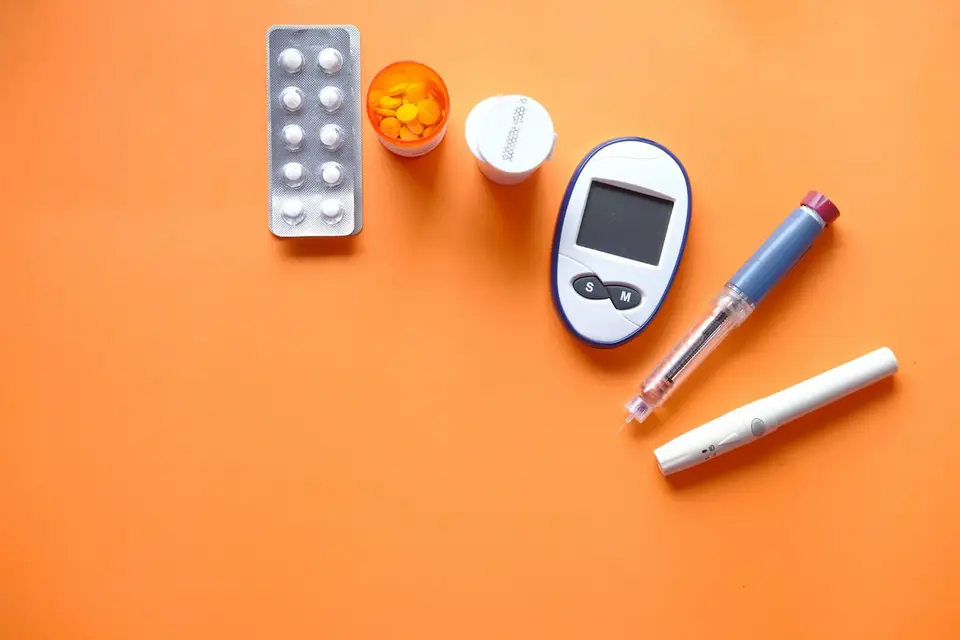
The oral-glucose evidence has limits
IFRC and ISPAD guidance separates oral treatment from care for a person who cannot swallow safely, but research comparing specific sources of sugar is limited. The IFRC review found that glucose tablets produced faster symptom relief at 15 minutes than dietary sugars across three randomized trials, but it rated the evidence as low certainty because of bias and imprecision. The review found no human trials reporting aspiration, other complications or hospital stay for that comparison.
The 15-minute cycle is therefore a practical consensus step, not a guarantee that every episode will resolve on that schedule. ISPAD notes that continuous-monitor readings can lag behind blood glucose in children, who may also need individualized treatment amounts. A person who cannot swallow safely has left the oral-treatment pathway altogether.
Frequently asked questions
What if no glucose meter is available?
The IFRC allows treatment of suspected hypoglycemia when the person is responsive and able to swallow. Use the person's known action plan when available, obtain a reading as soon as practical and seek medical assessment if symptoms do not resolve or the cause is uncertain.
How soon can glucose be repeated?
Reassess after 15 minutes and repeat the measured amount if symptoms continue or a meter still shows a low reading. Deterioration, unsafe swallowing or loss of responsiveness requires emergency help instead of another oral serving.
Can an unconscious person be given juice or sugar?
No. Give nothing by mouth, call local emergency services and check breathing. Use the recovery position when breathing is normal and no spinal injury is suspected, or begin CPR for absent or abnormal breathing under dispatcher guidance.
Does one episode mean diabetes medicine should be reduced?
No automatic change follows from one episode. Repeated lows need review of glucose data, food, activity, illness and medicine timing by the clinician managing the diabetes treatment.
Sources and further reading
- International first aid, resuscitation and education guidelines 2025(International Federation of Red Cross and Red Crescent Societies)
- Treatment of Low Blood Sugar (Hypoglycemia)(US Centers for Disease Control and Prevention)
- ISPAD Clinical Practice Consensus Guidelines 2022: Assessment and management of hypoglycemia in children and adolescents with diabetes(International Society for Pediatric and Adolescent Diabetes)