International Overdose Awareness Day marks its 25th year on August 31, 2026, under the official theme “25 years on. Still needed.” The campaign is using the anniversary to focus on remembrance, overdose prevention, timely care and support.
The event began as a remembrance gathering in Melbourne, Australia, in 2001, and Penington Institute took the lead in 2012. Organizers report more than 1,000 events in over 40 countries each year. Those campaign totals show reach, but they do not measure access to emergency care or overdose treatment.
How this plays out outside Taiwan
The emergency sequence is global, but the route to help is local. A person who cannot be awakened or is breathing abnormally needs the emergency number for the country where the incident is happening. The product and legal questions begin after that call: whether naloxone is stocked by pharmacies, whether a trained service can supply it without a prescription, and whether a national program pays for it. None of those answers can be inferred from the rules in Taiwan or from the presence of the same medicine in another market.
In the United States, the US Centers for Disease Control and Prevention says naloxone can be given by bystanders and is available as a nasal spray or injection. The same federal public-health guidance tells a responder to act quickly, call 911 and stay with the person while help is coming. Access is not one national retail experience: pharmacies, community programs and state arrangements can differ. A reader in the United States should use the CDC’s naloxone information and ask a pharmacist, local health department or treatment service where the product is available in that state. The article does not assume that a Good Samaritan protection, a standing order or a pharmacy supply rule applies everywhere, because those details are jurisdiction-specific.
In the United Kingdom, the Department of Health and Social Care describes naloxone as prescription-only for ordinary pharmacy sale, while allowing named drug services and specified trained professionals to supply take-home naloxone without a prescription for saving a life in an emergency. The UK guidance lists drug-treatment services, pharmacies and other eligible services and professionals that may supply it under the Human Medicines Regulations. The rules were expanded in 2024, but the guidance also says local funding and implementation matter. A person in England, Scotland, Wales or Northern Ireland should therefore ask a local drug-treatment service, community pharmacy or health service about current supply and training rather than assuming that every pharmacy keeps it. In an emergency, the same guidance emphasizes calling 999 and following the ambulance service’s instructions.
Australia runs a different national access model. The Australian Government says its Take Home Naloxone program makes naloxone free without a prescription for people who may experience or witness an opioid overdose. Participating pharmacies are part of the program, and state and territory authorities decide which non-pharmacy sites participate, such as alcohol and other drug treatment centers, needle and syringe programs and some custodial release programs. The national page says an ambulance should still be called on 000 after naloxone is given because its effect is temporary and breathing can worsen again. The practical question for an Australian reader is not whether a nationwide program exists, but which participating pharmacy or community site is open and supplied nearby.
Singapore’s emergency route is more centralized. The Singapore Civil Defence Force says to call 995 for a life-threatening emergency, including loss of consciousness, breathing difficulty and poisoning. Its operations center can give medical instructions while an ambulance is dispatched. Singapore’s Ministry of Health poisoning guidance identifies naloxone as the antagonist used for opioid toxicity in clinical care, but that document is not a public promise that a community pharmacy can dispense take-home naloxone. Readers in Singapore should call 995 for an unconscious or poorly breathing person and ask the emergency operator or a clinician about the appropriate treatment route. The Singapore Civil Defence Force’s 995 number, rather than a foreign emergency number or a general clinic line, is the actionable local detail.
These examples also show why an international article should not turn access into a single shopping list. The United States emphasizes bystander use and state-level access; the United Kingdom sets out a legal supply route for trained services and professionals; Australia funds a free national take-home program with local participating sites; and Singapore’s public guidance centers on emergency medical dispatch and clinical management. Availability can change with product supply, local commissioning, pharmacy participation and regulatory decisions. A reader should check the named government source or the local emergency service on the day help is needed. APPI News could not verify a complete public naloxone directory for every country.
Unresponsiveness or abnormal breathing requires emergency action
A person who cannot be awakened or is not breathing normally after possible drug use needs the local emergency medical service immediately. The International Federation of Red Cross and Red Crescent Societies (IFRC) identifies slow, absent, snoring or gurgling breathing as signs of suspected opioid overdose and calls for immediate cardiopulmonary resuscitation (CPR) and emergency-system activation. Emergency numbers and dispatcher protocols differ by country.
- Activate the local emergency medical system. The caller should state that the person is unresponsive or breathing abnormally and put the phone on speaker when safe to do so.
- Start CPR when the person is unresponsive and not breathing normally. IFRC guidance says CPR should begin immediately and continue until normal breathing or other signs of life return, or emergency personnel take over. A dispatcher can give instructions that match local practice.
- Use naloxone for suspected opioid overdose if it is available and locally permitted. The trained responder should follow the supplied product instructions, and administering it must not delay CPR.
- Keep monitoring breathing after the person responds. The World Health Organization (WHO) says bystander naloxone is an interim response rather than a replacement for comprehensive medical care. Responders should provide any known details about the substance, but identifying it must not delay care.
Naloxone reverses opioids, not every overdose
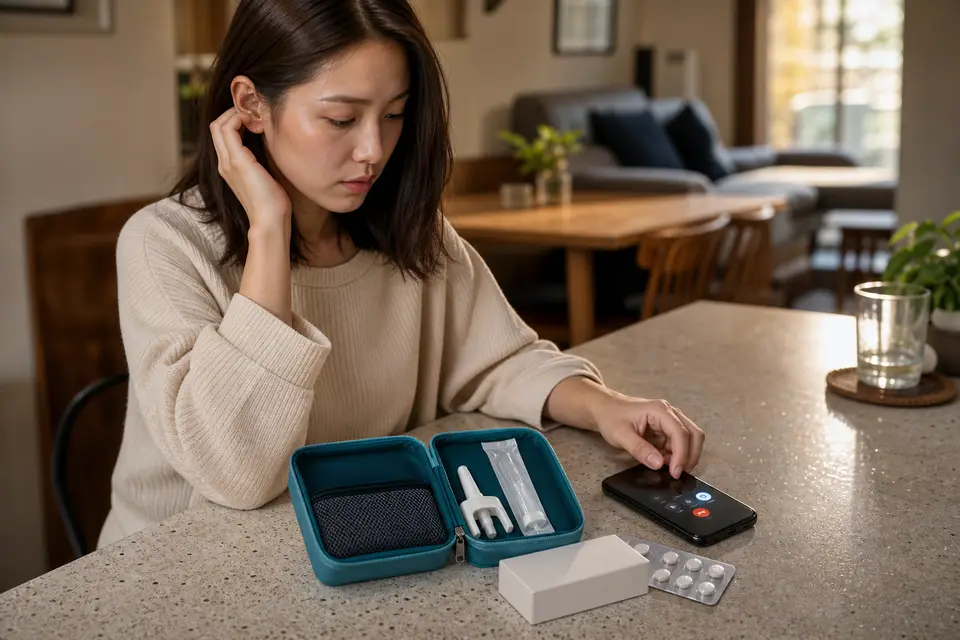
WHO describes naloxone as an opioid antidote that can reverse an opioid overdose when given in time and has virtually no effect in people who have not taken opioids. It is not a general antidote for sedatives, stimulants, alcohol or other poisons. An unknown or mixed exposure therefore still requires emergency assessment and support for breathing.
WHO’s community guideline recommends that people likely to witness an opioid overdose receive naloxone and training in its use. The same guideline says responders should focus on the airway, assisted ventilation and naloxone, then observe breathing and consciousness after resuscitation. The IFRC’s 2025 update places CPR ahead of searching for or administering naloxone when cardiac arrest is suspected.
WHO says naloxone remains limited in many countries, including in some ambulances and medical facilities, while other countries allow access without a prescription. Formulations, training requirements and legal rules are local. APPI News could not verify a public supply route or regulatory status in every country at the time of writing.
The global death estimate still carries a long reporting lag
WHO’s fact sheet, published August 29, 2025, estimates that about 125,000 people died from opioid overdose worldwide in 2019. It also estimates that nonfatal opioid overdoses were several times more common. The date matters: the figure is not a 2026 count and cannot describe current risk in a particular country.
The limits are not confined to mortality data. The IFRC’s 2025 review found 10 education studies on opioid-overdose response, all from the United States, Canada or the United Kingdom, and identified an evidence gap elsewhere. A global first-aid recommendation can set the sequence, but implementation still depends on each country’s emergency system, laws and available products.
Risk rises after abstinence and with drug combinations
WHO lists resuming opioid use after an extended period of abstinence, using prescription opioids without medical supervision and combining opioids with alcohol or medicines that suppress breathing among overdose risk factors. Older age and concurrent lung, liver or mental health conditions are also on its list. These factors can inform a clinical assessment but cannot diagnose an overdose or identify a substance at the scene.
Emergency stabilization and longer-term treatment are separate decisions. WHO recommends evidence-based treatment options for opioid dependence, but services and medicine availability differ across countries. A local clinician or drug-treatment service must assess treatment; an emergency episode is not a basis for an improvised medication change.
Children need age-specific resuscitation instructions
The emergency threshold does not change for a child who cannot be awakened or is not breathing normally. IFRC notes that CPR recommendations differ between adults and children, so the child’s age should be given to the dispatcher and age-appropriate instructions should be followed.
Pregnancy, chronic illness and regular medicines should also be reported during the emergency call because they can affect clinical assessment. People in these groups need case-specific directions from the dispatcher or treating clinician; general adult instructions cannot settle those differences.
Campaign reach does not remove local access gaps
The campaign says its annual events honor people who died, educate families and peers, and examine evidence-based prevention. Its 2026 theme connects those goals to 25 years of activity. The organizers’ event and country counts have not been independently audited by APPI News.
The verified common sequence is narrower: recognize unresponsiveness or abnormal breathing, activate the local emergency system, start CPR when indicated and use naloxone for suspected opioid overdose when local rules allow. Naloxone access and emergency routes remain country-specific. APPI News could not verify either one for every market as of August 31, 2026.
Sources and further reading
- International Overdose Awareness Day 2026 campaign resources(International Overdose Awareness Day / Penington Institute)
- About the International Overdose Awareness Day campaign(International Overdose Awareness Day / Penington Institute)
- Opioid overdose(World Health Organization)
- Community management of opioid overdose(World Health Organization)
- International First Aid, Resuscitation and Education Guidelines 2025(International Federation of Red Cross and Red Crescent Societies)
- 5 Things to Know About Naloxone(US Centers for Disease Control and Prevention)
- Supplying take home naloxone without a prescription(UK Department of Health and Social Care)
- About the Take Home Naloxone program(Australian Government Department of Health, Disability and Ageing)
- Emergency Medical Services(Singapore Civil Defence Force)
- Management of Poisoning(Singapore Ministry of Health)