Three sources told Reuters on July 29 that Iran had agreed to buy 300 to 400 Chinese-made man-portable air-defense systems, with an initial shipment expected within weeks. China rejected the report as groundless, and Pakistan denied that it would help move the weapons.
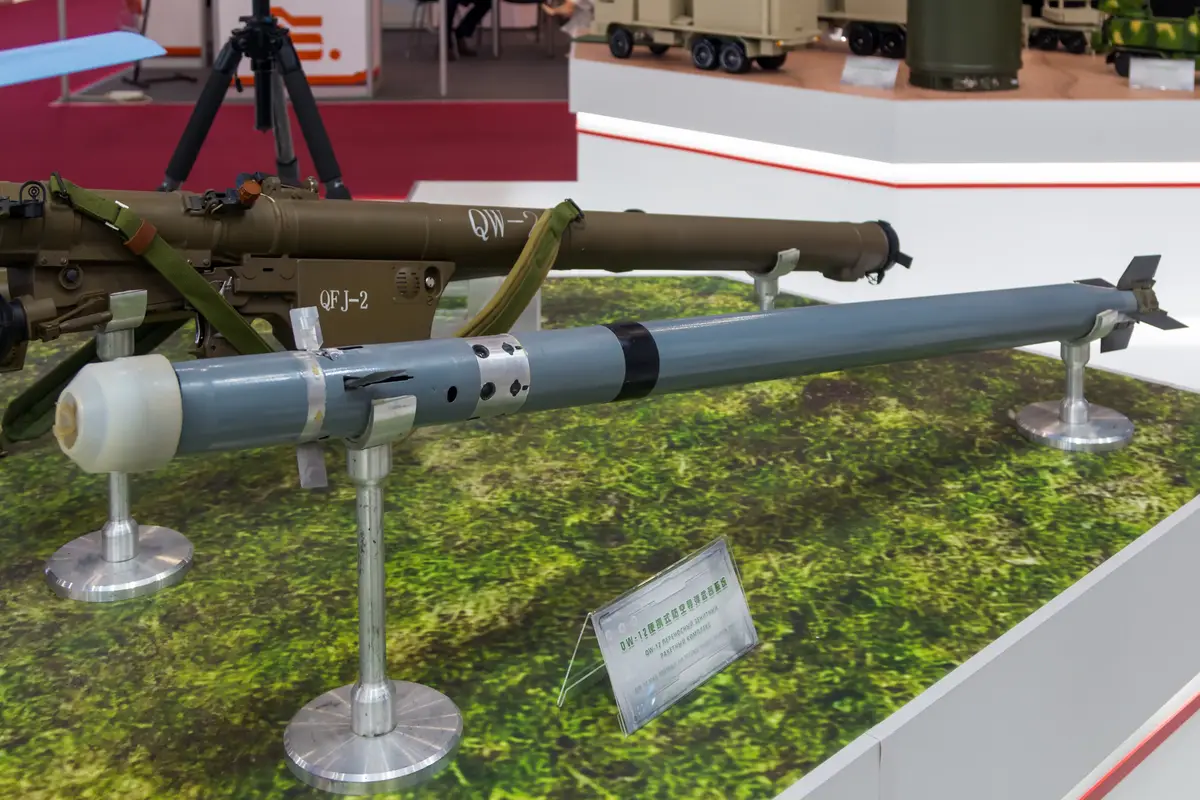
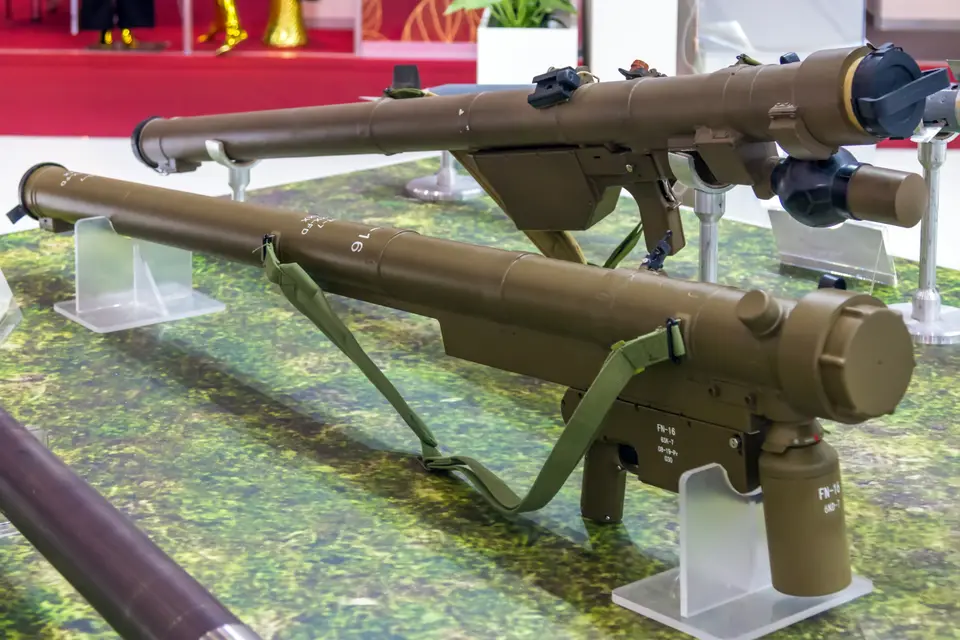
The reported $60 million to $70 million contract covers QW-12 and FN-16 systems. No government or company has published the contract, and Reuters said schedules, quantities and other details could still change.
The contract remains unverified
Reuters reported that three people familiar with the agreement described a purchase of 300 to 400 launchers through Zhongqing Baoshang International Investment, a Hong Kong-based intermediary. The sources spoke anonymously because of the sensitivity of the matter.
Reuters said the company's Beijing-based parent, Zhong Qing Bao Shang Group, did not answer a request for comment. Iran's Foreign Ministry also did not respond. APPI News could not independently verify that an agreement was signed or that any systems had entered the delivery process.
The proposed route runs through Pakistan
The sources said the first deliveries would be flown from Urumqi in western China and then transit Pakistan on their way to Iran. They did not say whether the last leg would travel by air or road.
Pakistan's military media wing said claims that the country would take part in supplying Chinese air-defense weapons to Iran were false. China's Foreign Ministry said the report had no basis, while a Chinese Defense Ministry spokesperson said he was not familiar with the matter.
Portable systems cover low-altitude threats
Man-portable air-defense systems, or MANPADS, are infrared-guided surface-to-air weapons that small teams can carry and relocate. Reuters described the QW-12 and FN-16 as systems intended for low-flying aircraft, helicopters and drones.
Their mobility distinguishes them from fixed air-defense batteries. Small teams can disperse the launchers around military facilities or infrastructure, making the weapons harder to locate before they are used. They provide short-range coverage rather than a replacement for Iran's broader air-defense network.
The report follows attacks on Iranian air defenses
Reuters said the United States and Israel had struck facilities tied to Iran's missile, drone and air-defense programs during months of fighting, exposing the difficulty of protecting fixed sites. The news agency described the reported purchase as one of Iran's largest known short-range air-defense acquisitions since that conflict began.
US President Donald Trump said a Chinese transfer would be surprising because Chinese President Xi Jinping had told him China would not join the war on Iran's behalf. That reaction did not confirm the contract or the delivery route.
What remains unknown
The report does not establish that any launchers have left China. It also provides no public contract, serial numbers, export documents or shipment records that would allow the quantity and models to be checked independently.
China's denial conflicts directly with the sources' account, and Pakistan rejects the proposed transit role. Until documentary evidence or a confirmed shipment emerges, the agreement, route and delivery timetable remain reported claims rather than established events.
Frequently asked questions
What does the reported contract include?
Reuters' sources described 300 to 400 QW-12 and FN-16 man-portable air-defense systems worth $60 million to $70 million.
Has a delivery been confirmed?
No public contract or shipping record was available at the time of writing. The sources expected a first shipment within weeks but warned that the schedule and quantities could change.
What have China and Pakistan said?
China's Foreign Ministry called the report groundless. Pakistan's military denied that the country would take part in transferring the systems to Iran.
Sources and further reading
- Iran to get Chinese shoulder-launched missile systems in weeks, sources say(Reuters via Defense News)