China evacuated stranded tourists and temporarily closed two sections of Jiuzhaigou on July 27 after heavy rain triggered mudslides. Authorities did not report the number evacuated or say when the affected areas would reopen.
The closures came after Typhoon Noul made landfall in southern China and brought heavy rain farther inland. A separate flash flood in Gansu province killed at least 10 people and injured 23, but available reports do not identify it as the same incident as the mudslides at Jiuzhaigou.
Two major visitor areas closed
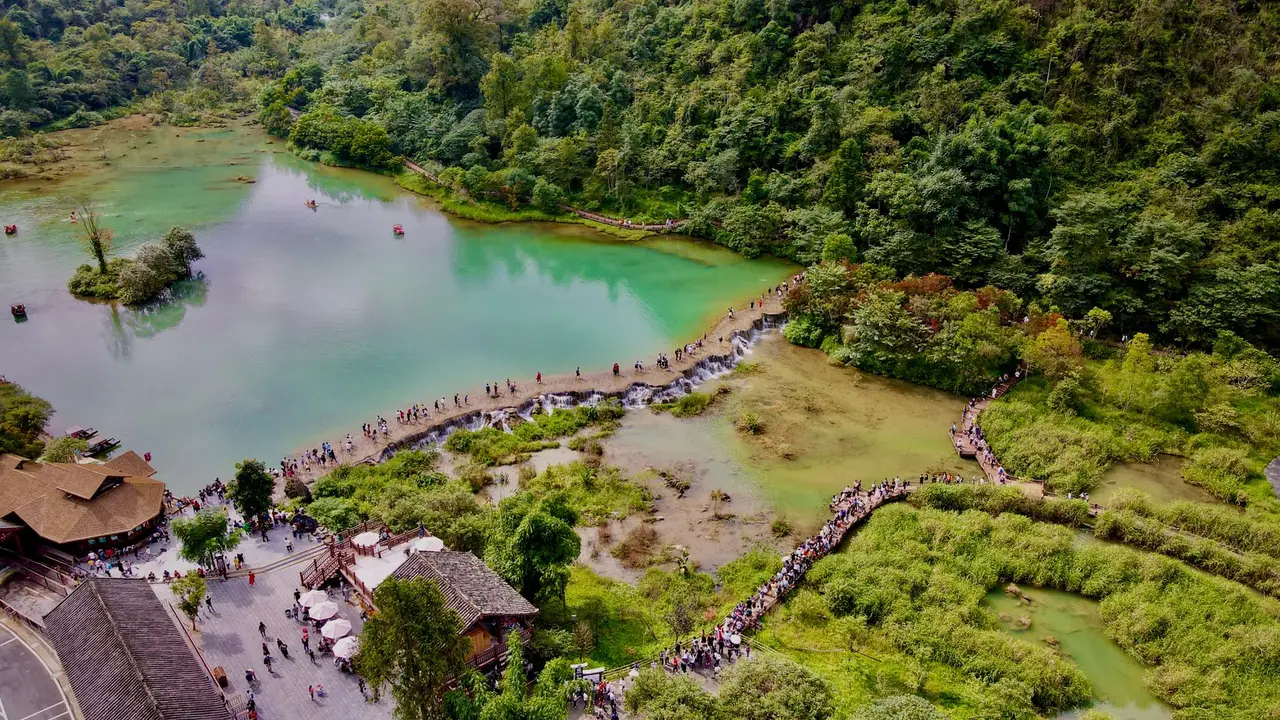
Reuters reported that the area at and above Arrow Bamboo Lake in Rize Valley, including the lake itself, and the whole of Zechawa Valley were temporarily closed from July 27 because of mudslides. The report said tourists stranded in affected sections were evacuated safely, but it gave no total.
The notice covered specific sections of the scenic area rather than announcing a closure of all Jiuzhaigou. APPI News could not verify a later English-language official notice giving a reopening date or confirming the operating status of every other section.
A World Heritage site in northern Sichuan
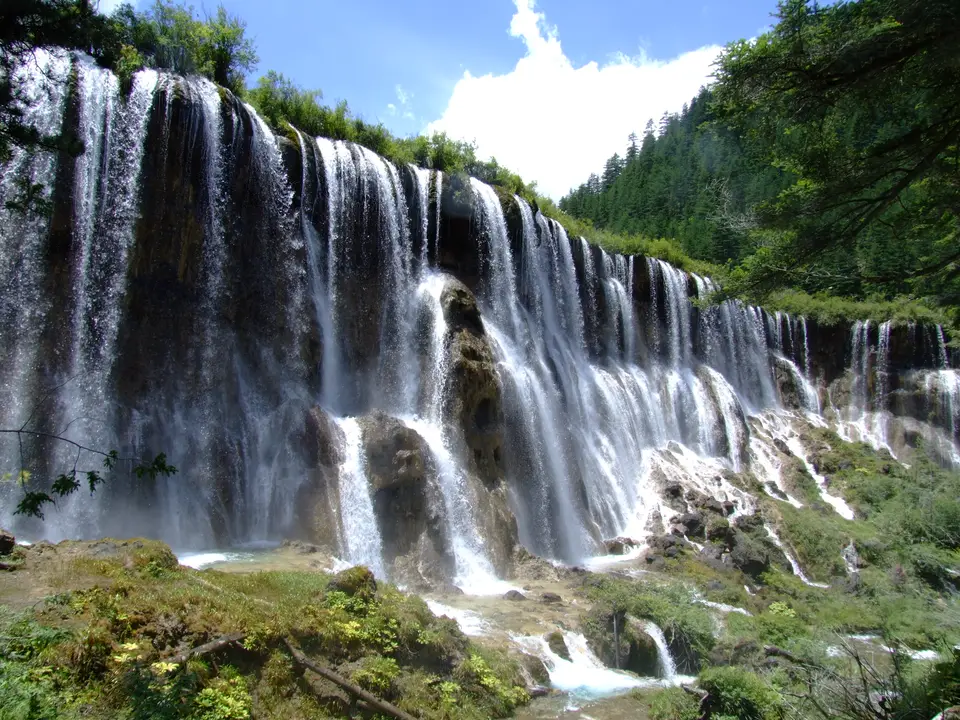
The UNESCO World Heritage Centre lists Jiuzhaigou as a 72,000-hectare protected area in northern Sichuan province, known for alpine mountains, forests, lakes and waterfalls. UNESCO inscribed the site on the World Heritage List in 1992.
Rize and Zechawa are two of the valleys used by visitors to reach the site's lakes and waterfalls. Their names are retained because the closure applied to those locations, while the descriptions identify their function within the park.
Noul triggered alerts across several regions
The Associated Press reported that Noul made landfall on the coast of Huidong county in Guangdong province at about 3:50 a.m. China Standard Time on July 26 and was the strongest typhoon to make landfall in China in 2026 at that point. The storm weakened as it moved inland, but rain continued across parts of southern China.
China's Ministry of Water Resources and China Meteorological Administration issued their highest flash-flood alert for parts of Jiangxi, Hunan, Guangdong, Sichuan, Shaanxi and Gansu provinces and southeastern Xinjiang. Sichuan includes Jiuzhaigou, while the alert also covered regions far from the park.
Gansu flood was a separate event
A flash flood struck a scenic area in Weiyuan county, Gansu province, on July 26, killing at least 10 people and injuring 23, according to the Associated Press. Some tourists camping there were trapped, and search-and-rescue work was continuing when the figures were reported.
Gansu and Jiuzhaigou are separate locations, and the reported deaths were not casualties from the Jiuzhaigou mudslides. The available reports place both events amid widespread heavy rain, but they do not establish a single local incident or provide final casualty and evacuation totals.
Sources and further reading
- Stranded tourists evacuated from China’s famed Jiuzhaigou World Heritage site after mudslides, heavy rain(Reuters via Internazionale)
- Typhoon Noul makes landfall in southern China, with over 700,000 evacuated and flights canceled(Associated Press)
- Typhoon Noul weakens after making landfall, brings heavy rain to southern China(Associated Press)
- Jiuzhaigou Valley Scenic and Historic Interest Area(UNESCO World Heritage Centre)