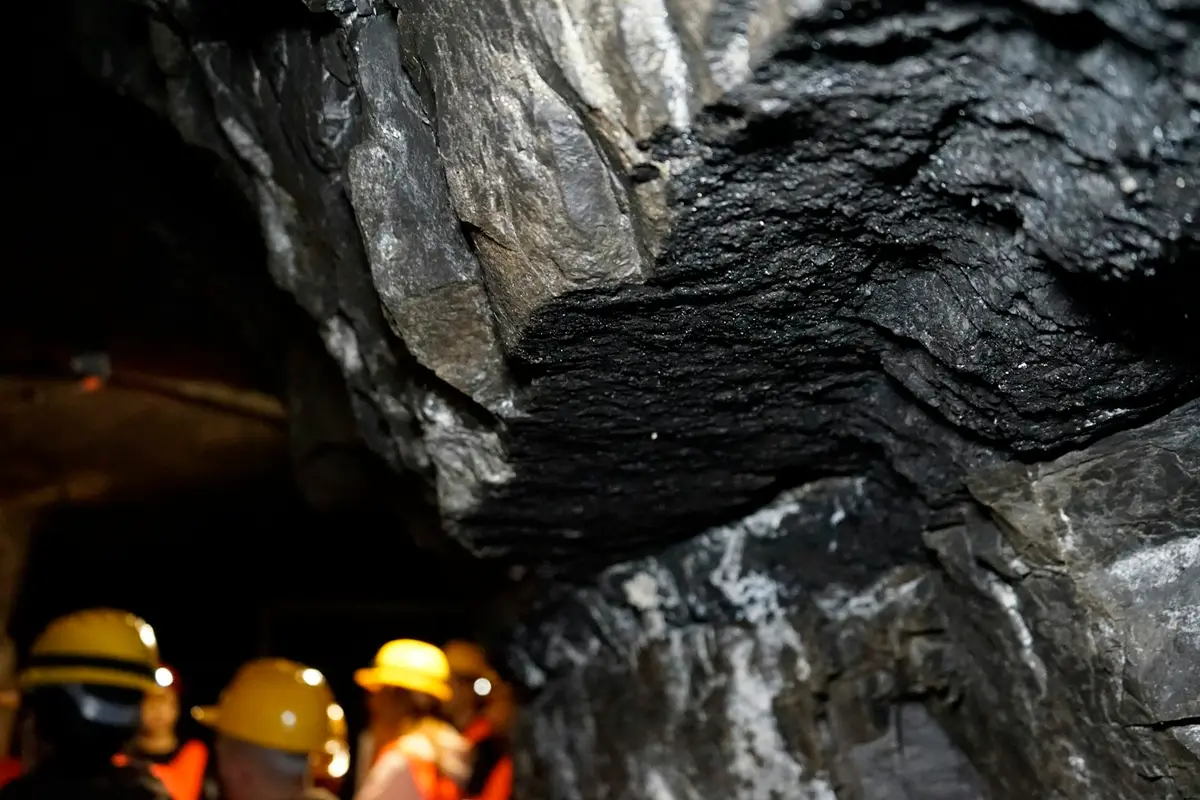
A methane explosion killed 34 miners at a coal mine near Quetta in Pakistan's southwestern Balochistan province on July 30, authorities said after an overnight rescue operation. Rescuers had recovered 32 bodies and were working to retrieve two more when Pakistan's Provincial Disaster Management Authority announced the toll on July 31.
The blast occurred at the privately operated Sardar Usman Lease in the Sorange coalfield outside the provincial capital. Officials said methane had accumulated underground, but no final investigation establishing the ignition source or the mine's condition had been published at the time of writing.
Early accounts gave different worker totals
Officials did not give a consistent account of how many people were underground. The Associated Press reported that mine inspector Ghani Baloch initially put the number at 42, while Al Jazeera quoted chief inspector Muhammad Atif as saying 36 miners had been inside.
The Express Tribune's first report said the explosion trapped 25 underground workers and that a joint team had rescued three. That account was published while the death toll stood at two, before rescuers found more bodies.
More than 12 hours after the explosion, emergency crews were still searching the damaged workings and officials said the chance of finding further survivors was very low. Al Jazeera reported that two neighboring mines were damaged, adding uncertainty about how the initial worker counts were assembled.
Families offered 500,000 rupees
Balochistan Mines and Minerals Minister Shoaib Nosherwani announced compensation of 500,000 Pakistani rupees, about US$1,800 at the exchange rate cited in the July 31 report, for each victim's family. He said provincial authorities would investigate the explosion and review safety measures at coal mines across Balochistan.
The announcement did not specify a timetable for the investigation or say when its findings would be made public. APPI News could not find a published final report at the time of writing.
Ventilation and gas monitoring remain central questions
Mines in Balochistan often lack adequate ventilation, gas-monitoring systems and other basic safeguards, while mineworkers and labor groups have accused owners of failing to provide protective equipment or enforce safety rules. Those regional conditions do not prove which safeguards were present or functioning at the Sardar Usman Lease when the explosion occurred.
The Express Tribune described the July explosion as the province's third fatal coal-mine incident of 2026. Its report, however, listed three earlier events: two Afghan miners killed after methane accumulated in March, three miners killed by toxic gases in April, and two killed in a June collapse. The discrepancy means the stated annual count cannot be reconciled from that report alone.
The same report attributed the March deaths to missing ventilation and gas-detection systems, while labor unions called the June collapse institutional negligence. These accounts show that workers and safety officials had raised similar hazards before the Sorange explosion, but they are not a substitute for an official finding on the July disaster.
Economic dependence keeps workers in hazardous mines
The promised review will need to establish more than the source of ignition. The unresolved worker count, reported methane buildup and repeated allegations about ventilation and monitoring leave separate questions about operating controls, inspection and emergency preparedness.