Spain installed a 500-meter sea barrier off Ceuta on August 1 after mass crossings from Morocco left at least 67 people dead. Spanish authorities said 48,300 people had returned to Morocco, while 22 European Union governments sought a coordinated response.
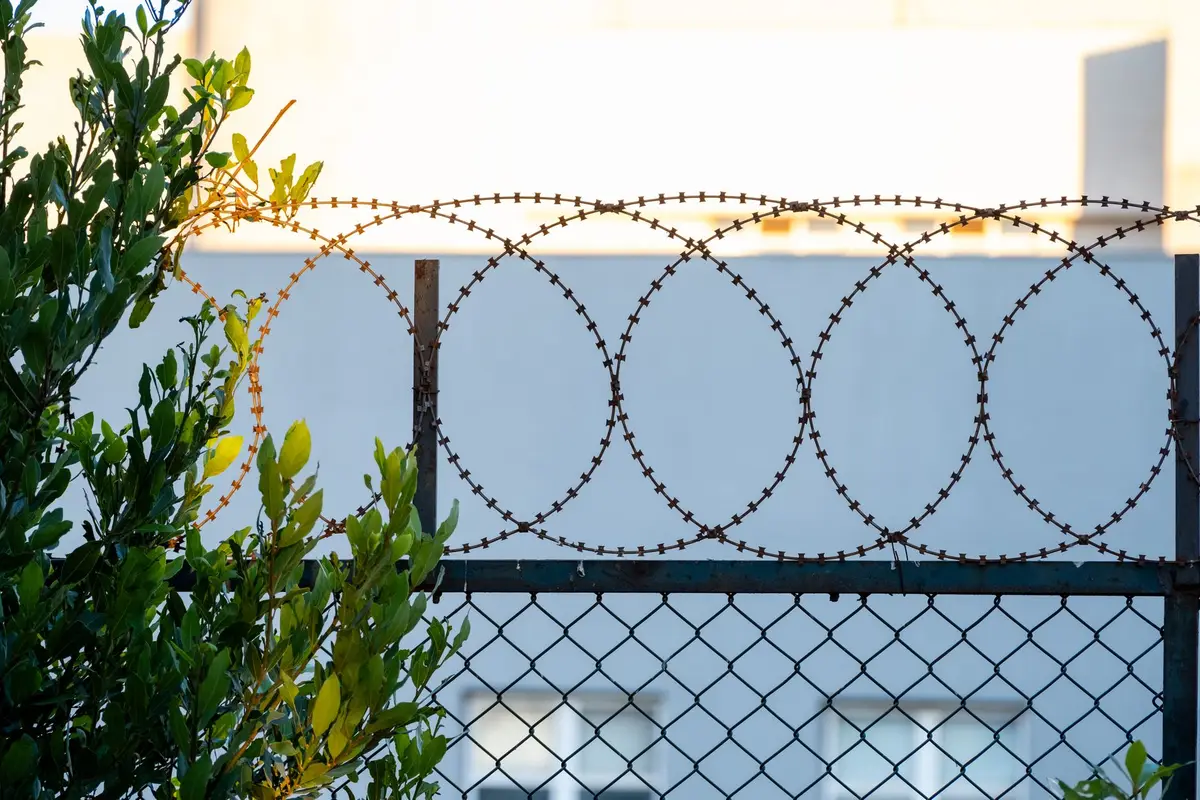
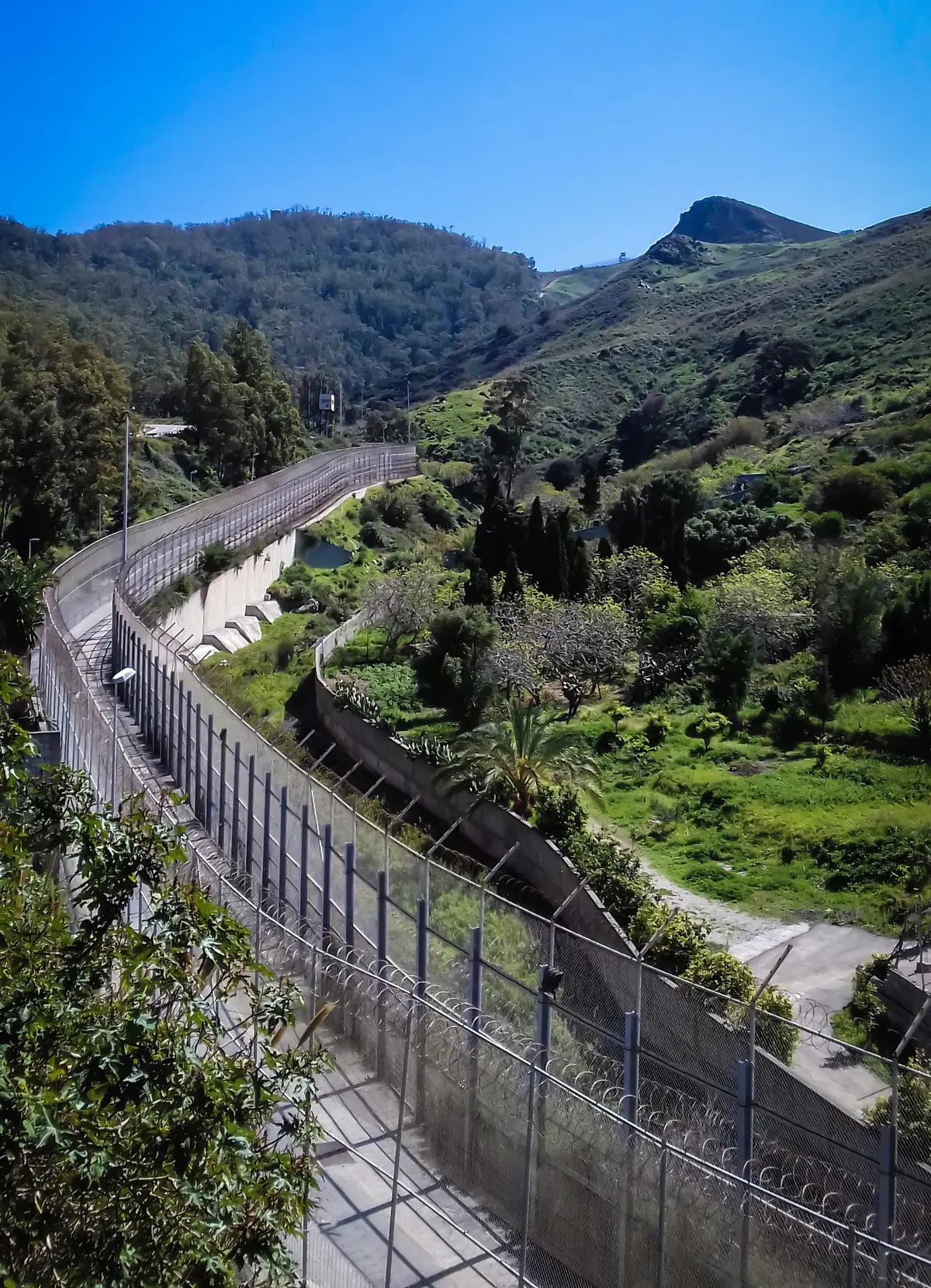
Ceuta is an autonomous Spanish city on the North African coast and, with Melilla, forms the European Union's only land border with Africa. People reached the territory by swimming around the Tarajal breakwater or crossing the fenced land frontier.
Barrier follows a crossing that killed at least 67
Al Jazeera and Reuters reported that Spain's Civil Guard police force began installing the 500-meter barrier at the Tarajal breakwater early on August 1 and that Spanish officials raised the death toll to at least 67. Officials said some of those killed drowned and others were crushed while trying to climb the breakwater fence.
The toll remained provisional. Spanish officials said there could be more casualties on the Moroccan side, and the reporting reviewed by APPI News did not provide an independently compiled count.
Spanish estimates differ on the number who crossed
Spain's Interior Ministry said about 50,000 people had entered Ceuta from Morocco since the morning of July 30. The ministry estimated that 48,300 had returned by 16:00 GMT on July 31, while Ceuta government head Juan Jesús Vivas put total arrivals as high as 60,000.
The two figures came from different Spanish authorities, and the available reports did not reconcile them. Some people who returned told reporters they did so voluntarily, but accounts of hunger, injuries and a lack of shelter complicate any broad description of why people went back.
22 EU governments seek a joint response
Fortune and The Associated Press reported that leaders of 22 European Union countries asked Ireland, which held the rotating EU presidency, to convene an urgent videoconference of interior ministers. The signatories called for a coordinated response intended to prevent further uncontrolled crossings.
Italian Prime Minister Giorgia Meloni threatened to suspend Italy's open-border Schengen arrangements with Spain, and Italy began restoring checks on people arriving from Spain by air and sea. Spanish Prime Minister Pedro Sánchez rejected calls to suspend Spain and said security at the European Union's external borders was a shared responsibility.
A court ruling became part of a disputed explanation
Ceuta authorities linked the surge to a Spanish Supreme Court ruling issued earlier in July. According to the cited reporting, the ruling prevented the immediate return of people intercepted while arriving by sea but did not apply to those entering by land.
Sánchez said smuggling groups had spread claims about the decision to encourage crossings. Moroccan activists questioned that explanation, arguing that many of the people attempting the journey were unlikely to know about the ruling. APPI News could not verify the decision in a published court document, so the ruling's terms and its role in the crossings remain attributed claims rather than independently established causes.
The barrier does not resolve the wider route
The Tarajal installation addressed one route around the breakwater. It did not settle how Spain and Morocco would manage future arrivals, what effect the structure might have on the safety of people entering the water or whether crossings would shift elsewhere along the coast.
Spain's government credited cooperation with Morocco for bringing the immediate situation under control within 24 hours. The reports available immediately after the barrier went up could not establish whether that calm would last or how many people remained in Ceuta.
Sources and further reading
- Spain installs floating barrier off Ceuta after deadly migrant crossings(Al Jazeera and Reuters)
- Spain puts up a 1,600-foot sea barrier between Ceuta and Morocco(Fortune and The Associated Press)