The 2019 Apple Heart Study sent irregular-pulse notifications to 2,161 of 419,297 self-enrolled US adults, or 0.52 percent. Atrial fibrillation (AF) appeared on later electrocardiogram (ECG) patches in 34 percent of the 450 participants with analyzable recordings. The study's 84 percent positive predictive value measured a narrower event: another notification that occurred while the patch was recording and showed AF at the same time.
Severe symptoms override a watch reading
The United Kingdom's National Health Service advises immediate emergency care when a fast or irregular heartbeat occurs with chest pain, shortness of breath, sweating, nausea, fainting, a severe headache, one-sided weakness or numbness, sight loss, confusion or difficulty speaking. A normal watch reading or the absence of a notification should not delay that assessment. Emergency numbers and services differ by country.
Background pulse checks and watch ECGs do different jobs
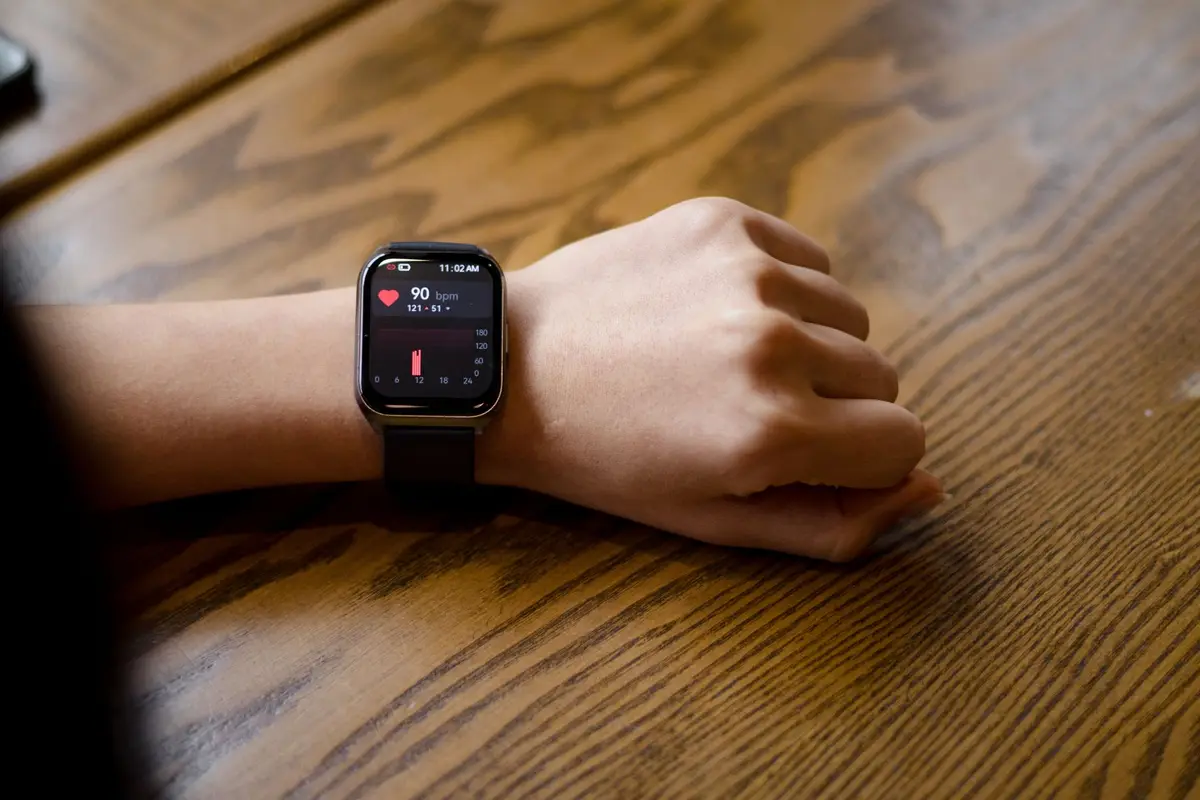
The original Apple feature reviewed by the US Food and Drug Administration (FDA) used photoplethysmography (PPG), which pairs green light with photodiodes to measure changes in blood flow and calculate intervals between pulses. The 2018 decision summary says that version attempted a one-minute background reading about every four hours when activity allowed. It required five of six sequential readings to be classified as irregular within 48 hours before sending a notification.
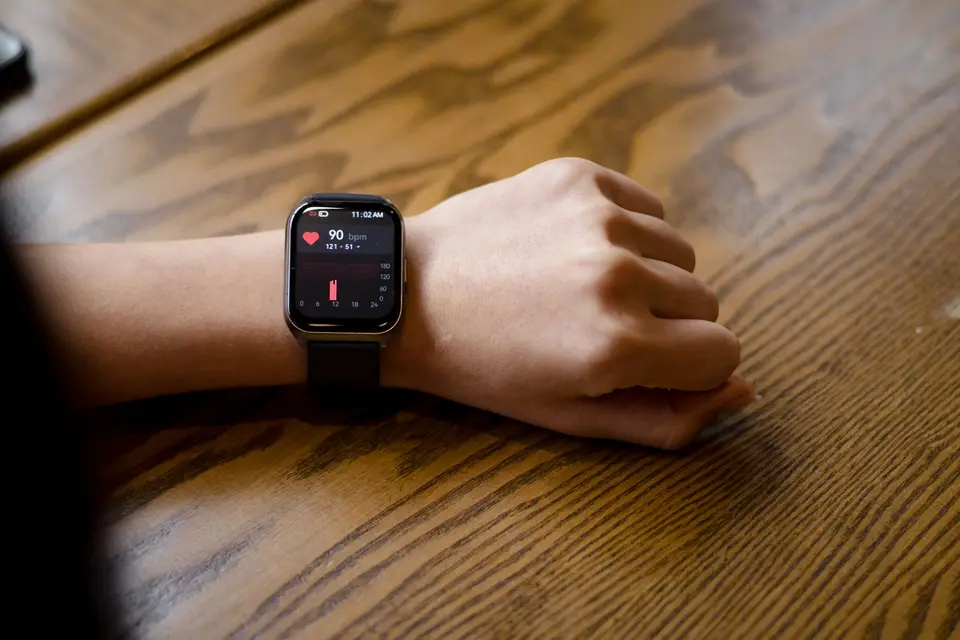
That background process was opportunistic rather than continuous, and motion or poor skin contact could prevent a usable reading. The US FDA document says the absence of an alert does not rule out a disease process and that the feature was not intended to diagnose AF. Its sampling and notification details describe the software version reviewed in 2018, not every later release.
The US FDA cleared Samsung's ECG Monitor Application with Irregular Heart Rhythm Notification on May 2, 2023. The software uses background PPG analysis and can prompt the wearer to record a single-channel ECG similar to Lead I. The labeling describes the output as informational, says the function will not identify every episode and directs users not to take clinical action without consulting a qualified health professional.
The Apple study produced two different percentages
The Apple Heart Study recruited participants over eight months and monitored them for a median of 117 days. Participants already owned compatible Apple devices, enrolled themselves and reported no previous AF diagnosis, while the cohort skewed younger than the population at highest risk of the condition.
The 450 analyzable ECG patches were applied an average of 13 days after the first notification, and 153 recorded AF, giving a diagnostic yield of 34 percent. AF can occur intermittently, so a later patch that did not capture it could not establish that the earlier notification was false.
A separate analysis covered 86 people who received another irregular-pulse notification while wearing the ECG patch. Seventy-two had AF on the patch at that same time, producing the 84 percent positive predictive value. The 34 percent figure asks whether AF appeared at any point during delayed follow-up; the 84 percent figure asks whether a new alert matched a simultaneous ECG record.

Samsung's clearance data use other measures
Samsung's US 510(k) summary says 888 people at risk of AF entered its validation study and 810 were included in the analyzable dataset after wearing a watch and reference ECG patch at the same time for about seven days. The notification function had subject-level sensitivity of 68.0 percent and specificity of 98.8 percent. These measures describe how the tested software separated participants with and without AF under that protocol; they are not the percentage of consumer alerts later confirmed.
The same filing reports a 95.7 percent positive predictive value for individual positive PPG sequences selected from a subset with reference ECG data. That is a tachogram-level calculation, not the share of all watch owners who would receive a correct notification. Product, signal, study population and unit of analysis all have to match before percentages can be compared.
A small research system found costs from false alerts
A 2023 analysis followed 85 people aged 50 or older who had survived a stroke or transient ischemic attack and were assigned to wear an ECG patch with a smartwatch running the custom Pulsewatch system for 14 days. Fifteen received AF alerts, and 10 of them, or 67 percent, had no AF on the simultaneous patch. The researchers built the software used on the Samsung hardware, so the result is not a false-alert rate for Samsung's commercial notification feature.
The study counted 35 false alerts: 19 coincided with noisy PPG signals, 11 with other rhythms and five with ECG data too corrupted to determine a cause. False alerts were associated with declines in participants' perceived physical health and confidence in managing chronic symptoms. The false-alert subgroup contained only 10 people, and the association does not establish that the alerts caused those changes.
The researchers reported that an offline deep-learning approach reduced the number of false-positive alerts by 83 percent after training on 60 times as many signal segments as the embedded rule-based detector. The analysis was not a prospective test of a deployed commercial feature and did not show whether the change improved clinical outcomes.
Age, medical history and country change the boundary
The Apple feature in the 2018 US decision was not tested or intended for people under 22 or those already diagnosed with AF. Samsung's 2023 US labeling likewise specifies adults aged 22 or older and excludes people with other known arrhythmias. These limits belong to the named software versions and US decisions, not to every smartwatch or market.
The cited evidence does not establish separate interpretation rules for children, pregnant people, people with chronic conditions or those taking medication. People in these groups should discuss an alert with a clinician before using it to change care. Prescribed medication should not be started, stopped or adjusted because of a watch result.
An alert supports review, not self-diagnosis
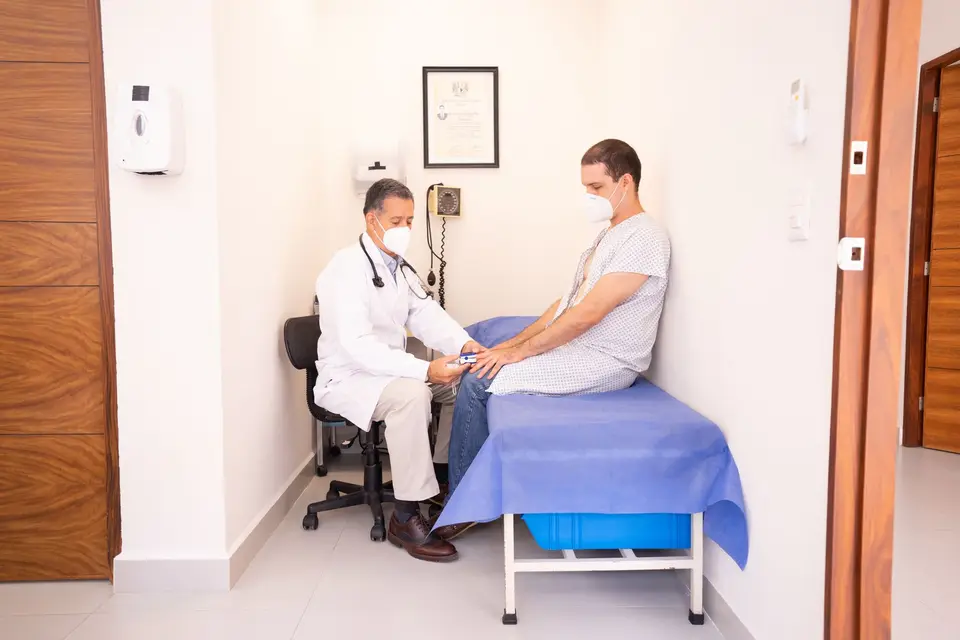
The US FDA's Apple decision says notifications are potential findings that should be reviewed by a medical professional and that AF diagnosis still requires ECG confirmation. The United Kingdom's National Health Service also lists an ECG among the tests used to check heart rhythm when AF is suspected. A notification time and any saved watch tracing can inform that review, but neither should be treated as a diagnosis or a basis for changing treatment.
No notification is not an all-clear because background sampling can miss intermittent episodes and detection sensitivity is not 100 percent. The cited studies assessed detection and short-term follow-up rather than whether consumer screening prevents strokes or deaths. APPI News verified the cited US records but could not verify current feature availability or regulatory status in every country at the time of writing.
Sources and further reading
- Large-Scale Assessment of a Smartwatch to Identify Atrial Fibrillation(New England Journal of Medicine via PubMed)Apple Heart Study enrollment, notification rate, ECG-patch yield, simultaneous positive predictive value and study limitations.
- De Novo Classification Request for Irregular Rhythm Notification Feature(US Food and Drug Administration)The original Apple feature's mechanism, intended population, warnings and requirement for ECG confirmation.
- Atrial fibrillation(United Kingdom National Health Service)Emergency warning signs and the role of ECG in clinical assessment.
- 510(k) Premarket Notification K230292(US Food and Drug Administration)Samsung feature clearance date, PPG and single-channel ECG workflow, intended population and clinical performance data.
- False Atrial Fibrillation Alerts from Smartwatches are Associated with Decreased Perceived Physical Well-being and Confidence in Chronic Symptoms Management(PubMed Central)Pulsewatch study population, contemporaneous false alerts, signal-noise causes, reported well-being associations and offline deep-learning analysis.