#Medical AI

24 articles

AI scribes reduce paperwork as liability rules stay fragmented

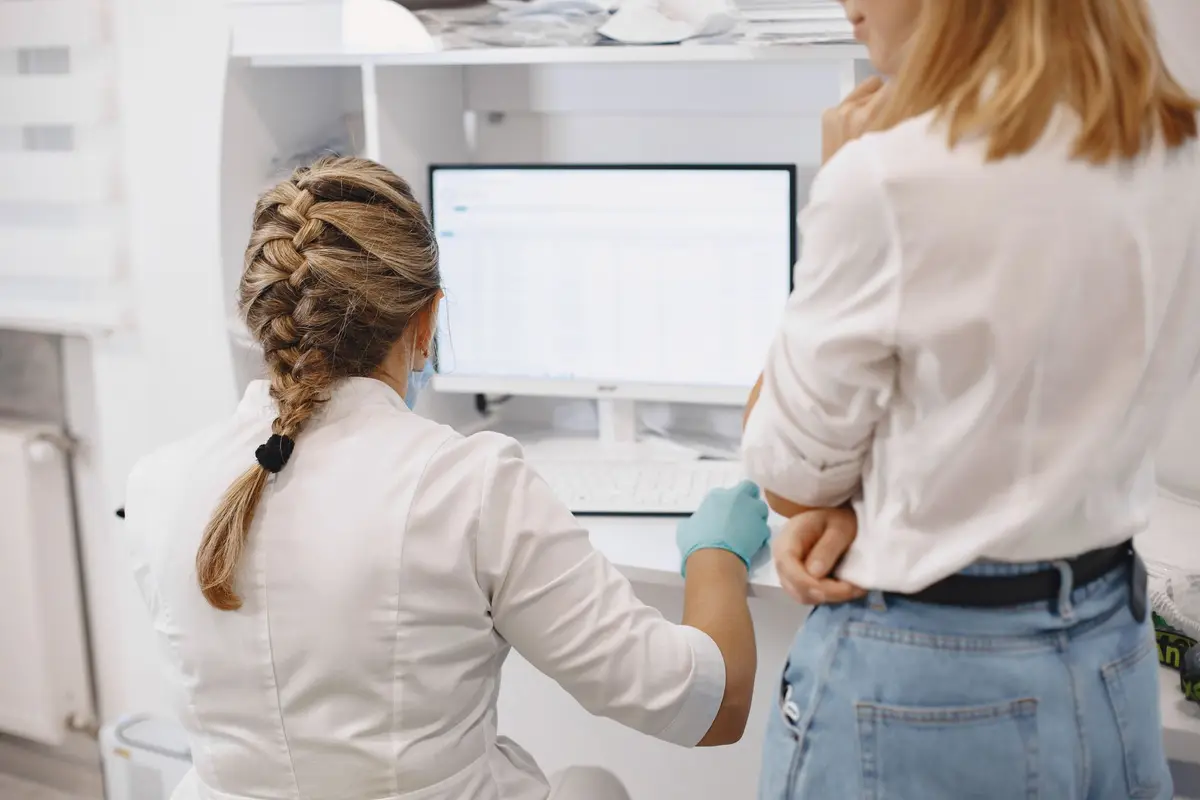
VA Providence began rolling out an ambient AI scribe in primary care on March 24, 2026, with participation optional for veterans. The software turns clinical conversations into draft notes, leaving accuracy, consent and liability subject to rules that vary by country.

APPI News Editorial 5 min

Smartwatch atrial fibrillation alerts still need ECG confirmation

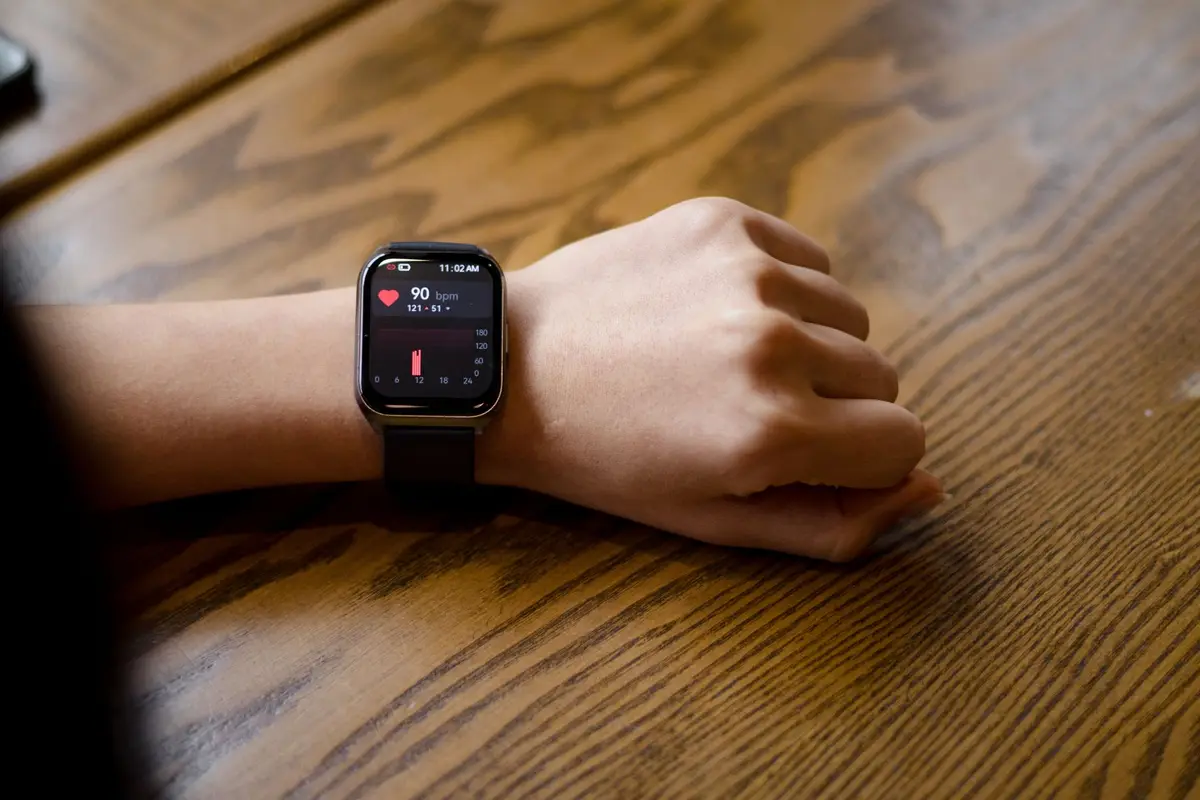
The 2019 Apple Heart Study sent irregular-pulse notifications to 0.52 percent of 419,297 participants, while later ECG patches found atrial fibrillation in 34 percent of 450 analyzable recipients. Its 84 percent positive predictive value measured a different event: another alert that occurred during simultaneous ECG recording.

APPI News Editorial 5 min

Hospitals train shared AI models without pooling patient records

National Taiwan University Hospital said in 2026 that it had built a federated-learning platform with partner hospitals to validate medical AI without moving their data off site. The approach limits centralized data collection, but it does not eliminate privacy, performance or accountability risks.

APPI News Editorial 4 min

ChatGPT Health and Taiwan take different paths to health data

OpenAI began rolling out Health in ChatGPT to US adults on July 23, 2026, with connections to Apple Health and supported medical records. Taiwan's My Health Bank SDK instead sends selected records to third-party apps after a government review, and new SDK applications are currently paused.

APPI News Editorial 4 min

Stretchable circuits advance, but implants remain unproven

Researchers in South Korea and the United States reported two manufacturing advances for stretchable electronics in 2026. One kept liquid-metal conductors working under repeated strain, while the other put a dense computing array on a stretchable patch, but neither study tested a finished implant in people.

APPI News Editorial 4 min

Review finds AI speeds credible-looking health misinformation

A systematic review published in January 2026 found that generative AI increased the volume, speed and perceived credibility of health misinformation in the available studies. Clinicians can use the same tools to draft public information, but the evidence and professional guidance leave accuracy, privacy and disclosure with the person who publishes it.

APPI News Editorial 8 min

Abbott's AI glucose forecast has no documented Taiwan release

Taiwan-listed Bionime secured a local medical-device license for its iFree2 continuous glucose monitor in April 2026, but the public notice did not identify an AI forecasting feature. Abbott's Libre Assist offers such predictions in the United States, while Abbott's Taiwan product site lists an older sensor and does not advertise the feature.


APPI News Editorial 4 min

Six sleep trackers detect sleep better than wakefulness

A 2025 laboratory study found that six wrist-worn trackers identified more than 90 percent of sleep intervals but correctly identified only 29.39 percent to 52.15 percent of wake intervals. Their movement and pulse sensors can show broad patterns, but their sleep-stage estimates do not match direct physiological measurements consistently.

APPI News Editorial 5 min

Six checks expose weak claims behind traditional medicine AI

The World Health Organization and the International Telecommunication Union mapped the use of AI in traditional medicine in a 2025 technical brief. Their findings, combined with international medical-software standards, show why a product demonstration cannot establish clinical credibility.

APPI News Editorial 4 min

Explainable medical AI can raise or lower clinician trust

A 2024 systematic review found that explainable AI increased clinicians' trust in five of 10 empirical studies, while two reported mixed effects. A COVID-19 drug-repurposing project shows how an inspectable workflow can support expert review, but explanations do not establish clinical validity.

APPI News Editorial 4 min

Taiwan health data platform puts consent ahead of AI ambitions

Taiwan launched TwHealth Nexus on January 9, 2026, with plans to connect health records held by hospitals and other care providers. The project goes beyond Taiwan's patient-facing My Health Bank service by proposing secondary data use for research and AI, raising separate questions about consent, withdrawal and oversight.

APPI News Editorial 5 min

GPT-5 Pro turns T-cell data into testable research hypotheses

GPT-5 Pro generated a mechanism for unexplained T-cell data and predicted the direction of an unpublished CAR-T experiment, according to a November 2025 case study. The result shows how a model can help experts form testable hypotheses, but it does not establish autonomous discovery or prove the proposed mechanism.

APPI News Editorial 4 min

Automated lab tests 10,080 reactions to improve Chan-Lam coupling

OpenAI and Molecule.one reported on June 17 that a GPT-5.4 workflow helped identify conditions that improved a difficult Chan-Lam coupling across 10,080 microscale reactions. An automated laboratory supplied the testing capacity, while chemists selected proposals, corrected plans and repeated key experiments by hand.

APPI News Editorial 4 min