As of August 29, 2026, YouTube, Netflix, Spotify and Apple all described subscription sharing through a household or family structure rather than an open market for individual slots. A stranger-run group can still remove a member, fail a household check or collect payment outside the platform, leaving access and payment recovery in separate systems.
The advertised saving does not change a service's eligibility rules or give the buyer control over the plan. An official invitation reduces the need to share a password, but it does not prove household eligibility or make an off-platform payment refundable.

Official sharing and slot resale are different transactions
An official family plan normally has one manager who pays the platform and invites members through the service. Members may have separate accounts, but the manager still controls who remains in the group and whether the subscription continues.
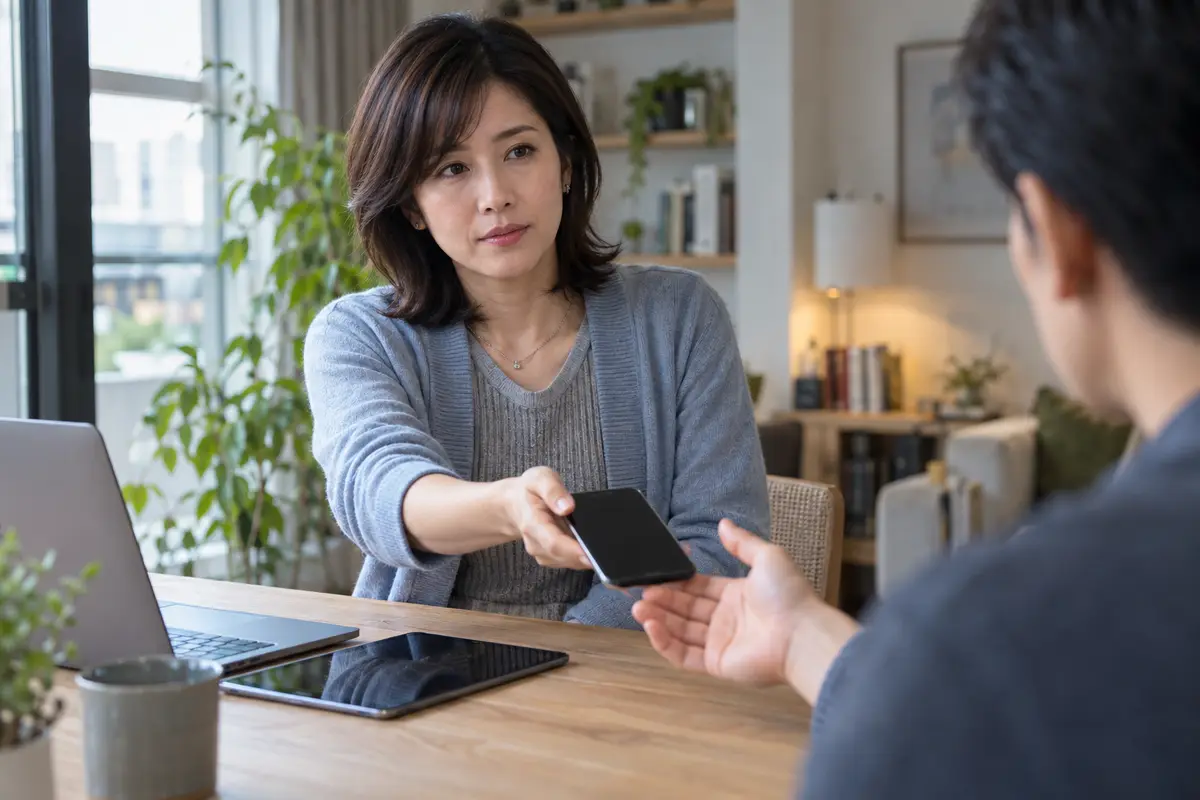
An informal subscription group adds a second transaction: the participant pays a website, social-media account or stranger for access that the platform supplies to the manager. The platform records the manager's purchase and membership choices, while the separate transfer to the organizer may have no matching platform receipt.
Sharing one login is a third structure with greater exposure. It gives every participant the same credentials and can mix viewing history, personal data, recovery details and payment settings, whereas the official plans reviewed here generally use separate member accounts or profiles.

YouTube ties membership to one residential address
YouTube says one family manager may share a paid membership with up to five people who live at the same residential address, with each member using a separate Google Account. Libraries, subscriptions, recommendations and viewing histories remain separate, but an invitation does not waive the address condition.
YouTube says an electronic check confirms the address requirement every 30 days, a manager may remove a member at any time, and a removed member loses the shared service while retaining the Google Account. A member can leave and buy an individual subscription, but switching family groups is limited to once every 12 months.
YouTube does not identify the inputs or weighting used in the recurring check. APPI News separately reviewed the published 30-day rule and the limits of YouTube's explanation, including claims about location signals that could not be confirmed from first-party documents.
Netflix separates a household from an extra member
Netflix defines a household as devices connected to the internet at the main viewing location and says it uses internet protocol addresses, device identifiers and account activity to establish that household. The company says it does not use Global Positioning System data to determine a device's precise physical location.
People outside the household need their own account or an extra-member option where it is available. Netflix says an extra member has a separate account, password and profile, while the main account owner pays for the slot and controls its addition or removal.
The same page says the owner can replace an extra member, causing the current recipient to lose access immediately, and can cancel a slot for the end of the billing period. A reseller can therefore deliver a real Netflix invitation and still retain the technical ability to end the buyer's access.
Spotify verifies the address and limits later switching
Spotify describes Premium Family as a plan for up to six family members who live together, including the manager, and says each member signs in with separate account details. The manager is the only person who subscribes and pays Spotify, and the manager may add or remove members.
Spotify asks members for the full home address when they join, when the manager changes the address or when the company cannot confirm it. A member asked to reverify has seven days; a failed or missed check moves the account to Spotify Free and prevents it from joining a different Family or Duo plan for 12 months, although the same plan may accept the member again.
Using a personal Spotify account protects the password from the organizer, but it does not remove the live-together rule. A succession of cheap groups is also unreliable because both the general plan-switch rule and the failed-verification rule can restrict later moves.
Apple requires separate accounts for Family Sharing
Apple says one adult in a household can invite up to five other family members and share eligible subscriptions through Family Sharing, with each person using a separate Apple Account. Eligibility still depends on the service, and some subscriptions require additional sharing steps.
Apple advises against sharing one Apple Account and says separate accounts prevent family members from sharing passwords, messages and other personal information. Its support page warns that a shared-account user can lose access to purchases held by the account owner and may see another person's messages, call history or health information.
The reviewed Apple pages do not describe the same recurring address check published by YouTube or the seven-day recheck published by Spotify. They also do not turn Family Sharing into an approved market for strangers, so rules from another platform should not be imported to fill that gap.
Three failures can follow a stranger-run group
The organizer can end access. YouTube, Spotify and Netflix all give the paying manager control over membership. A participant who prepaid an organizer for months of service can be removed, replaced or stranded if the manager stops paying, and none of the reviewed platform pages promises reimbursement for that separate transfer.
The invitation can be valid while the membership is ineligible. A genuine YouTube or Spotify invitation does not convert people at different addresses into one household. Netflix also distinguishes household use from its official extra-member product, while Apple publishes a different family structure that should be assessed on its own terms.
A verification story can become a credential-theft attempt. Spotify says its emails never ask for payment information or a password, request payment through a third party, or instruct the recipient to download something. A group administrator asking for a password, one-time code, card image or login through an unfamiliar link is not following the separate-account model described by the platforms.

Checks to make before paying an organizer
Eligibility comes first. The current official page for the buyer's country should show who may join, whether members must live together, how verification works and which plans are available. A member limit describes the maximum number of eligible users, not a number of slots that anyone may resell.
Account control should remain with the member. A normal invitation should appear through the platform and let the member use a personal account or an official extra-member account. A request for the account password, recovery email, verification code or full card details changes the transaction from subscription sharing to credential or payment exposure.
The payer and refund route need to be identifiable. A buyer can record the seller's identity, offer, promised term, payment method, invitation, receipt and cancellation terms before sending money. A platform receipt naming only the manager does not document a second payment made to that manager.
Long prepayment increases the unsecured amount. A one-year promise from an informal organizer does not stop the manager from removing a member or the platform from enforcing eligibility. APPI News could not find a universal refund right for these off-platform arrangements across the countries where the services operate.

Access loss, account compromise and payment loss need separate responses
An eligibility notice should first be checked inside the official app or account page, not through a link supplied by the group organizer. A member who genuinely meets the rule can follow the platform's case-specific instructions, while a member who does not meet it can move to an eligible individual, student, two-person or official extra-member option where offered.
Removal by the organizer is different from an account takeover. The useful record includes screenshots of the offer and group status, the payment receipt, invitation messages, the time access ended and any request for a refund.
If credentials were disclosed, the account holder can enter the service through its official app or typed web address and secure the account. Google tells users who suspect unauthorized access to change the Google Account password and any reused passwords, then review and remove unfamiliar signed-in devices.
A suspected fraudulent payment belongs on a separate track. The US Federal Trade Commission advises people who paid a scammer to contact the bank, card issuer or payment app immediately and ask whether the transaction can be reversed, but that guidance does not create the same legal right in every country.
Payment reversals, consumer claims and police reports depend on the method used and the buyer's jurisdiction. There is no single global reporting number, and APPI News did not verify a guaranteed recovery route for payments to informal subscription organizers.

Official alternatives reduce the number of unknown parties
An individual plan removes the stranger's control over membership. Student, two-person, family and extra-member plans can lower the cost where they are offered, but only when the account holder meets the published eligibility and verification rules.
Prices and plan names vary by country, so a low amount advertised in another currency is not evidence that the same offer is available locally. The relevant comparison is the price shown inside the official account against the control, eligibility and cancellation terms attached to that plan.
How this plays out outside Taiwan
The platform rules travel across borders, but the payment dispute does not. A buyer in the United States, the United Kingdom, Singapore or Australia may see the same invitation screen and the same loss of access, yet the useful next step depends on who collected the money, how the payment was made and whether the seller was a business. The first record to preserve is therefore not a screenshot of a cheap monthly price. It is the complete transaction: the advertisement, the organizer’s identity, the promised period, the account or invitation used, the payment receipt and the date access stopped.
In the United States, a buyer should separate a platform decision from a payment dispute with a group organizer. The platform can explain why a family or household member lost access; it does not automatically become the seller of the organizer’s separate slot. If a card payment went to a recognizable business, the buyer can first ask that seller to correct the problem and then ask the card issuer whether a dispute or chargeback process applies. The US Federal Trade Commission tells people who paid a scammer to contact the payment provider immediately and ask whether the transaction can be reversed. That is a practical escalation route, not a promise that a bank will recover a payment made to an informal individual. A buyer should also use the official account page to change a reused password if the organizer ever received it.
The United Kingdom has a more divided reporting path. A person who receives a suspicious email, text message or website can follow GOV.UK’s guidance to report phishing and suspicious messages, including forwarding suspicious emails to the National Cyber Security Centre. Someone in England or Wales who has lost money or had an account hacked is directed to Report Fraud; Scotland uses Police Scotland for crime reports. That distinction matters when a group organizer disappears: a report about a deceptive link is not the same record as a request to a bank to investigate a payment. The buyer should contact the card issuer or bank through a trusted number, ask what evidence it needs, and keep the platform’s access notice separate from the organizer’s sales messages.
Singapore’s official advice treats an informal subscription slot like any other online service offered through a marketplace or social media. ScamShield identifies direct payment outside a platform’s secure payment option, unusually attractive offers, external links and requests for one-time passwords as warning signs. Its guidance says to call the bank immediately and make a police report if money has been transferred. ScamShield reporting can help authorities identify suspicious numbers or messages, but ScamShield states that a report in its app is not an official police report. A Singapore buyer should therefore use the bank’s fraud channel for the payment, the platform’s own reporting tools for the account or listing, and the police for a suspected crime. A seller who insists on a personal transfer or asks for an account password has created the precise separation of roles that makes recovery harder.
Australia illustrates why the identity of the seller changes the analysis. The Australian Competition and Consumer Commission explains that consumer guarantees can apply when a business supplies a service and that a serious service problem may support cancellation or a refund, while the ACCC does not resolve each individual dispute. The ACCC’s consumer guidance sets out possible remedies for a service that fails basic consumer guarantees and distinguishes those rights from a simple change of mind. That information is relevant when an Australian business openly sells access and then fails to provide the advertised service. It should not be stretched to cover every private person who collects money in a chat group. The buyer should identify whether the recipient is a registered business, an individual, or the platform itself before asking for a remedy or making a report.
Across these markets, official prices should be checked inside the service account or on the service’s country-specific purchase page. A foreign price, a virtual private network, a payment profile from another country or an organizer’s promise that “the platform never checks” does not establish local eligibility. Where the official page does not list a plan, the useful action is to ask the service’s support channel whether the plan is available in the account’s country and whether the member must share a household or residential address. That answer is stronger evidence than a reseller’s table of slots, but it still does not create a refund right for money paid to the reseller.
Frequently asked questions
Does an official invitation prove that a subscription group is allowed?
No. An invitation proves that a manager added the account, but YouTube and Spotify still require the member to live with that manager, and Netflix applies its own household or extra-member rules.
Can the platform refund money paid to a group organizer?
The reviewed platform pages do not promise that result because the organizer, not the platform, received the separate payment. A buyer can ask the payment provider about reversal options, but rights and outcomes vary by method and country.
Is a group safe if every member uses a separate account?
Separate accounts reduce direct password sharing and keep more personal activity apart. They do not remove the manager's power to end access or cure a household-eligibility problem.
What changes when a password or verification code was shared?
The matter becomes an account-security incident rather than only a subscription dispute. The account holder can use the official service entry point to change credentials, review devices and recovery details, and contact the payment provider if financial information was exposed.
Sources and further reading
- Sign up for and manage a YouTube family plan(YouTube Help)
- Sign up for and manage a YouTube Premium or YouTube Music Premium family plan(YouTube Help)
- What is a Netflix Household?(Netflix Help Center)
- Extra Members(Netflix Help Center)
- Family plan(Spotify Support)
- Address and verification for Family plan(Spotify Support)
- How Family Sharing works(Apple Support)
- Make sure that each family member has a unique Apple Account(Apple Support)
- Is this Spotify email legit?(Spotify Support)
- Investigate suspicious activity on your account(Google Account Help)
- What To Do if You Were Scammed(US Federal Trade Commission)
- Report internet scams and phishing(GOV.UK)
- E-Commerce Scams(ScamShield)
- Submit scam reports(ScamShield)
- Repair, replace, refund, cancel(Australian Competition and Consumer Commission)