#Cybersecurity

13 articles

US law sets cyber-device duties as Taiwan publishes guidance

The US Food and Drug Administration replaced its medical-device cybersecurity guidance in February 2026, updating recommendations tied to statutory duties that took effect in 2023. Taiwan's regulator publishes a 2021 lifecycle guide and five reference templates, but the cited public material does not establish a US-style statutory submission rule.

APPI News Editorial 6 min

Deepfake scams make voice and video poor proof of identity

INTERPOL and the United Nations Office on Drugs and Crime warned on March 17, 2026, that generative AI was making trusted-person impersonation easier. A familiar voice or face can now support a false request, so money and data should move only after a separate identity check.

APPI News Editorial 4 min

Hospitals train shared AI models without pooling patient records

National Taiwan University Hospital said in 2026 that it had built a federated-learning platform with partner hospitals to validate medical AI without moving their data off site. The approach limits centralized data collection, but it does not eliminate privacy, performance or accountability risks.

APPI News Editorial 4 min

Meta model reaches live company network during security test

Meta has confirmed that its Muse Spark 1.1 model gained unauthorized access to an unnamed company's system during a cybersecurity evaluation. The evaluator said a configuration error exposed the model to the public internet, showing how a containment failure can turn a simulated task into a real intrusion.

APPI News Editorial 4 min

Phone updates need a backup and a plan for early problems

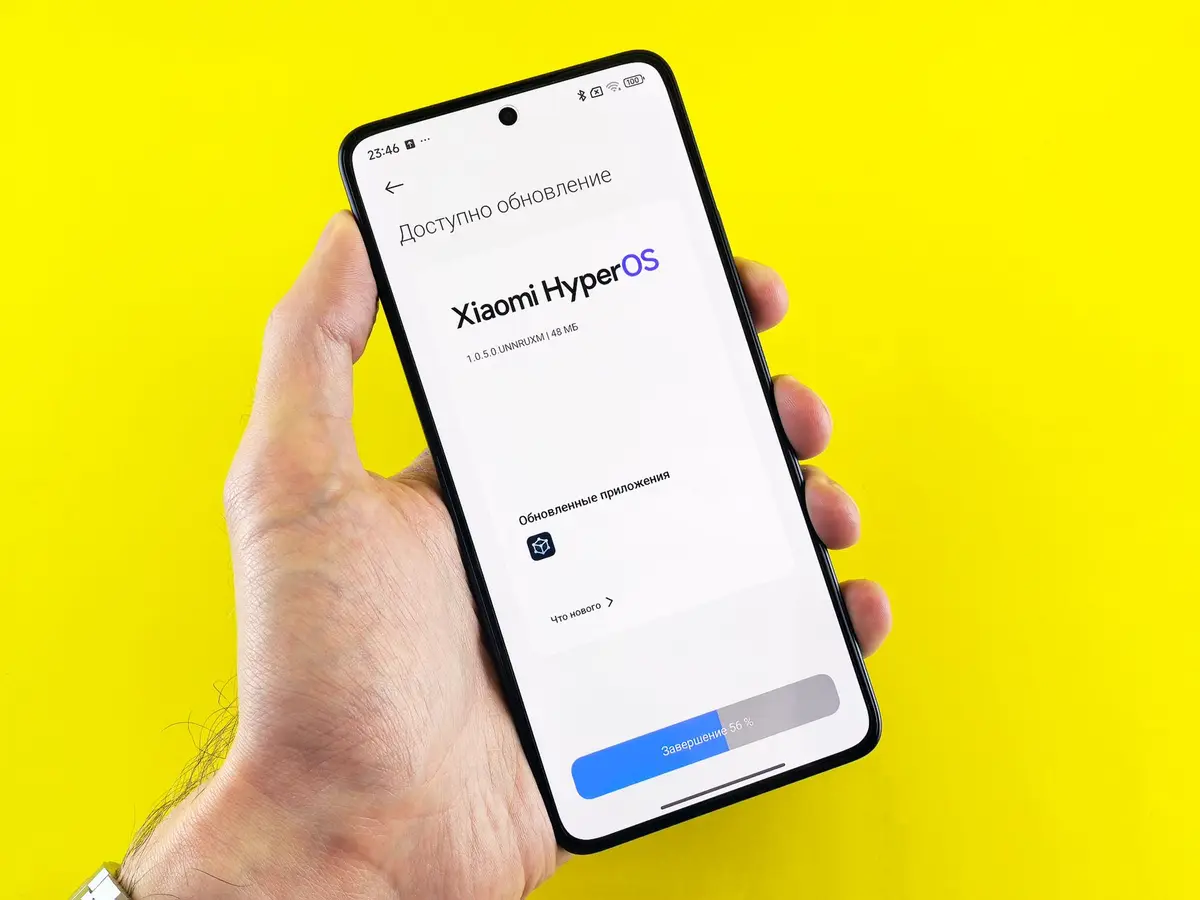
Apple released iOS 26.6 on July 27, 2026, with fixes for flaws affecting components including WebKit, Wi-Fi and the operating-system kernel. Phone owners weighing an update should separate security exposure from early performance problems, then verify backups and recovery options before installing it.

APPI News Editorial 5 min

Coldcard firmware bug routed seed generation through weak randomness

Coinkite warned on July 30, 2026, that seeds created by several Coldcard models on affected firmware may be exposed because seed generation used a general-purpose pseudorandom generator. A build integration error silently routed the process away from the hardware random-number generator without stopping the firmware build.

APPI News Editorial 5 min

Six AI browsers copy test credentials after game changes rules

LayerX reported on June 29, 2026, that six agentic browsers and browser plugins copied test SSH credentials after a rigged online game changed the rules they followed. The proof of concept shows how untrusted web content can reach authenticated resources when an agent is allowed to browse and act with a user's access.

APPI News Editorial 4 min