5G standalone may need more than a new SIM card to work
A new SIM card does not by itself connect a phone to 5G standalone. The operator, handset, subscription, software and local network must support the same setup.
A new SIM card does not by itself connect a phone to 5G standalone. The operator, handset, subscription, software and local network must support the same setup.
The 5G standard lets a phone conceal its permanent subscriber identity before it registers with a mobile network. The protection depends on the operator, device and SIM configuration, not on the 5G logo alone.
A YouTube Premium family invitation can fail because the recipient uses a Workspace account, belongs to another family group or has changed groups within 12 months. Country settings and the same-residence rule can block an otherwise valid invitation too.
A YouTube Premium family member who disappears from a plan should first identify whether the manager removed the account or YouTube paused access after a household check. The account, country and family-group history can decide whether a new invitation works.
Google AI Pro lets a plan manager share selected benefits with up to five other Google Accounts. The useful comparison is not only the headline price: country, payment, storage and feature limits determine what each member actually receives.
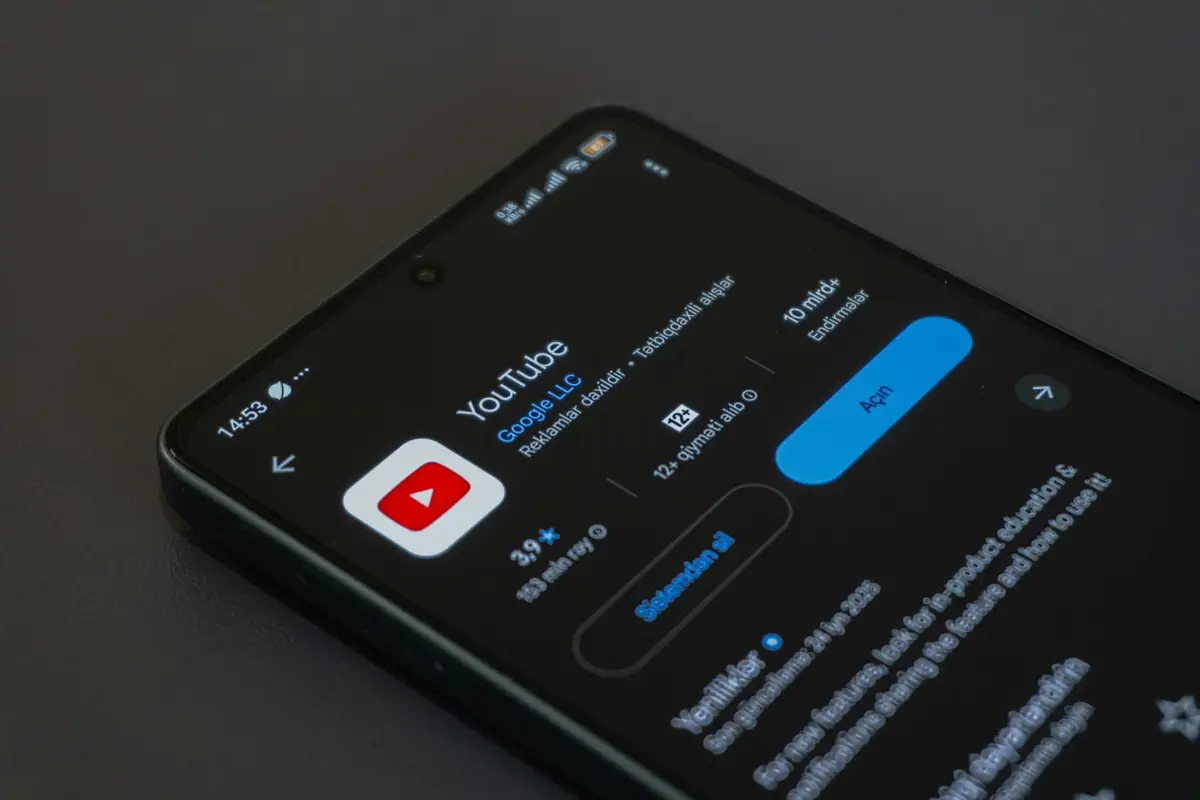
Before changing YouTube Premium, check who bills the account and when the current access ends. The replacement plan, cancellation and any refund may each follow a different process.
Anthropic's current plan list separates individual Claude subscriptions from Team and Enterprise workspaces, with no Family tier. Sharing one login also conflicts with the consumer terms, while Team requires an organization and at least two members.
SheerID checks a student's current enrollment for a brand's education offer before the brand completes the subscription or purchase. If an automated match fails, the applicant may need to submit a school-issued document for manual review, while the offer's own rules determine retries, renewal and access.
YouTube's two-person plan lets one manager share Premium with one other person in the same household, but the option is available only in selected markets. Google accounts, family-group history and the manager's billing cycle can also determine whether an invitation works.
Google will start enforcing Android developer verification on September 30, 2026, for installations from seven app stores in Brazil, Indonesia, Singapore and Thailand. Direct sideloading and other stores remain outside this first phase, while broader enforcement is planned for 2027.
On August 31, 2026, official plan pages listed ChatGPT Plus and Claude Pro at US$20 a month, while Google AI Pro showed a US price of US$19.99. The larger differences were bundled storage and tools, family sharing, billing periods and variable usage limits.
As of September 8, 2026, YouTube listed its Premium student membership in the United States, United Kingdom, Australia, Singapore and Taiwan. Eligibility still depends on full-time enrollment at an approved institution and annual SheerID checks, while prices and payment methods depend on the account's market.
As of September 8, 2026, YouTube allowed one family manager to share Premium with up to five people at the same residential address. Members keep separate Google Accounts, while plan choices and prices vary by market and YouTube checks the household every 30 days.
As of August 29, 2026, YouTube, Netflix, Spotify and Apple all described subscription sharing through a household or family structure rather than an open market for individual slots. A stranger-run group can still remove a member, fail a household check or collect payment outside the platform, leaving access and payment recovery in separate systems.
As of September 9, 2026, Valve allowed up to six close family members in one household to share eligible Steam games through separate accounts. One owned copy provides one simultaneous play slot, while leaving a family can activate separate one-year waits for the account and the vacated member slot.
Spotify's official pages checked on September 9, 2026, require Premium Family members in the United States, United Kingdom, Australia and Singapore to share an address. A failed verification starts a seven-day retry, while prices and some plan features differ by market.
Sony's US English support pages, reviewed August 30, 2026, said each PlayStation account could enable Console Sharing and Offline Play on one PS5 at a time. Other users on that console can access downloaded purchases and selected PlayStation Plus benefits, but the setting does not extend those benefits to a second PS5.
As of August 29, 2026, Nintendo said a Nintendo Switch Online family membership covered up to eight Nintendo Accounts in the purchaser's family group. Members do not have to use the same console or live in the same household, but features can differ by account country or region.
Netflix says an account may be shared only within one household, which it links to devices on the internet connection at the main viewing location. Travelers can request temporary access, while long-term users elsewhere need a separate account or an eligible extra-member slot whose price and availability depend on the market.
Microsoft says a Microsoft 365 Family subscriber can share plan benefits with up to five other people, giving the subscription six users in total. Each person uses a separate account, receives one terabyte of OneDrive storage and can keep Office apps signed in on five devices at once.
As of August 29, 2026, Apple's Taiwan App Store listed KKBOX family subscriptions for three people at NT$270 (about US$8.53) and six at NT$290 (about US$9.16) a month. KKBOX's published setup requires members to share an address with the plan manager, while LINE MUSIC Taiwan listed ringtone and background-music plans rather than a family music-streaming plan.
As of August 29, 2026, Google said one family manager could link up to five other people through a single family group. The roster can support YouTube, Google One and Google Play, but each service applies separate eligibility, sharing and exit rules.
Apple's July 1, 2026 support guide caps Family Sharing at six Apple Accounts: one adult organizer and up to five members. An account can join only one group at a time and switch to a different group once per year, while shared purchases require a common country or region.
OpenAI's account policy says each ChatGPT login belongs to the person who created it, while its consumer terms bar credential sharing. Multiple devices are allowed for that person, but shared use can trigger security alerts and put personal data, payment details and account access at risk.
As of August 29, 2026, Disney+ said a subscription could not be shared outside the account holder's Household unless the service tier permitted it. Its English support pages tie that Household to a primary residence and describe separate routes for device checks, travel, relocation and long-term use elsewhere.
The US National Institute of Standards and Technology's 2025 digital identity guidelines classify authentication over public telephone networks as restricted. Passkeys keep private keys in a device or credential manager and bind them to a service, but recovery varies by provider.
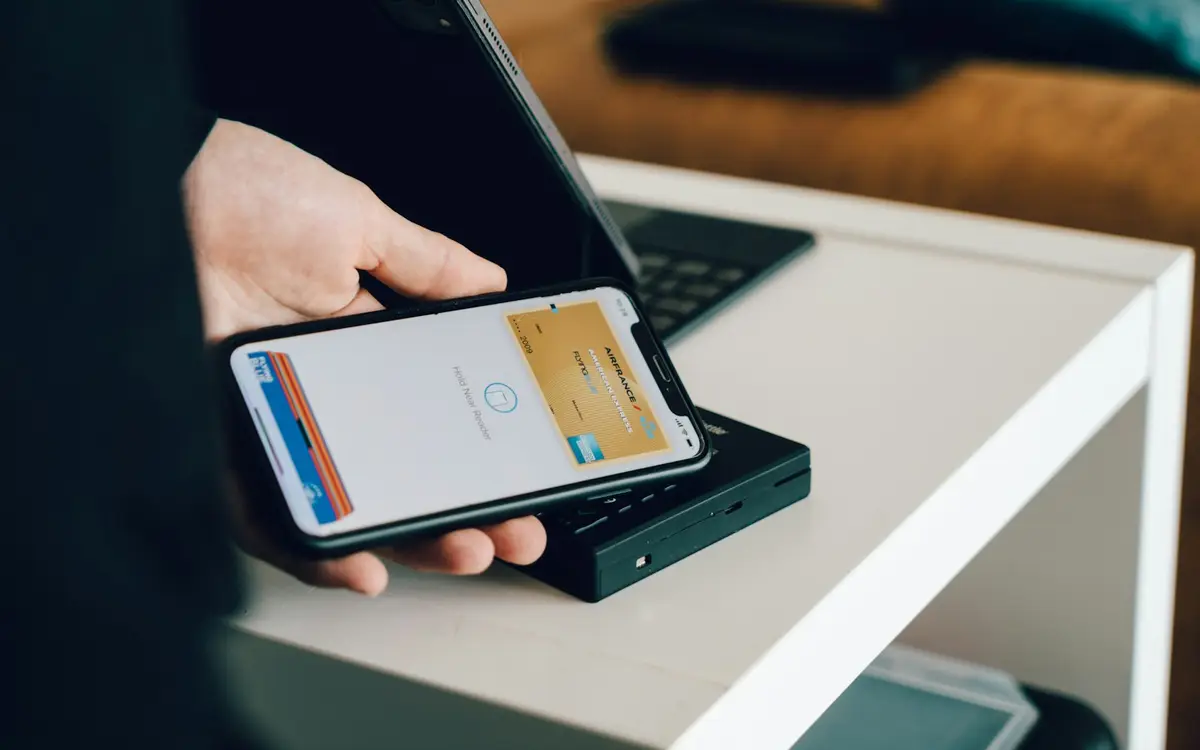
Apple's setup guidance, updated July 6, 2026, says Apple Pay requires a supported card, issuer and device in an eligible country or region. Once approved, the card is represented at checkout by a device-specific account number and a transaction-specific security code.
As of August 18, 2026, YouTube said family-plan members must live at the same residential address and undergo an electronic check-in every 30 days. An alert means the service could not confirm the household, but YouTube does not publish the data inputs, a fixed warning period or a universal appeal outcome.
The FIDO Alliance estimated in May 2026 that five billion passkeys were in use worldwide as more services offered passwordless sign-in. Passkeys block reusable secrets from reaching phishing sites, but users must plan for device loss and cross-platform access.