California startup Satyress is developing Threehalves, a roughly 2.1-meter robot intended to let people operate tools remotely in wildfires and other hazardous settings. The machine combines a humanlike upper body with four legs, but the company has not published field-test results, a price or a delivery date.
Satyress presents the robot as a teleoperated machine rather than an autonomous replacement for skilled workers. Public materials place a remote operator in control and describe physical systems intended to stop the robot when pneumatic pressure is lost.
A four-legged platform for human tools
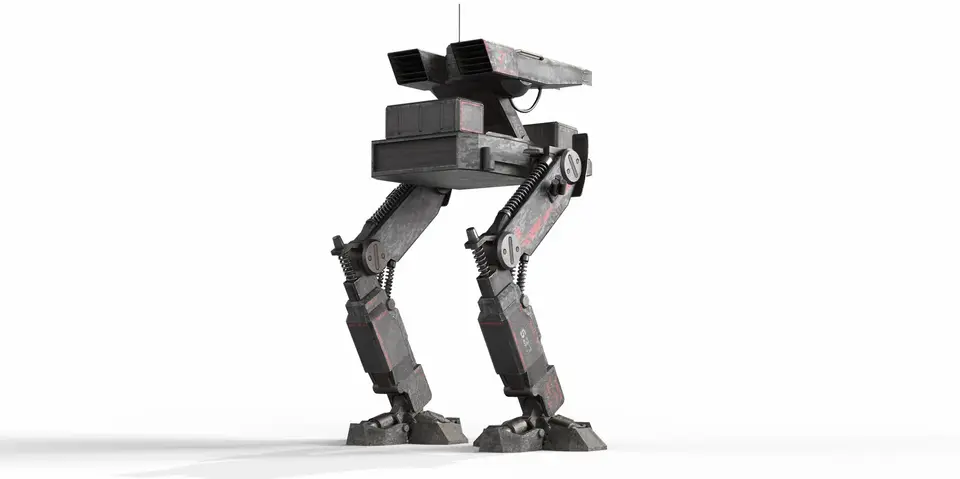
Satyress says Threehalves has a humanlike torso and arms on a quadruped chassis, with friction-braked joints and a quick-connect wrist that can supply power and compressed air to attachments. The company shows the robot with a chainsaw and an impact tool, and says damaged limbs, the torso and the head can be replaced and recalibrated.
The design is meant to keep equipment made for people usable without putting the operator next to heat, unstable debris or toxic material. Its four-legged base is also intended to provide a more stable working platform than a two-legged body, although Satyress has not released comparative terrain tests.
Human control is part of the safety case
The company describes a teleoperation-focused system in which a skilled worker remains responsible for the task. That is narrower than saying the machine contains no AI at all: Satyress has not published enough detail about its control software for APPI News to verify whether lower-level automated functions assist balance, motion or perception.
The public safety description centers on hardware. Fail-on air brakes and pin locks are designed to immobilize the robot if pressure drops. Satyress also says shared air reservoirs in the chest and body can be pierced with a projectile or sharp object to stop the machine.
The company acknowledges limits imposed by the robot's size. Its product page says the machine would be slowed by a standard US doorway and could not turn in a 1.07-meter-wide corridor. Those constraints could matter in collapsed buildings, but no public trial shows how the robot performs in debris, smoke or active fire.
Specifications are not a field demonstration
Ynetnews reported that Threehalves is remotely operated, uses modular tools and had no disclosed price, commercial delivery date or confirmed compliance with industrial safety requirements. The report also described wildfires, collapsed buildings, earthquakes and hazardous-material leaks as intended uses, not completed deployments.
Satyress's website contains design images and technical descriptions but no published performance data from an emergency response. APPI News could not verify a public certification filing, a third-party safety assessment or a fire agency deployment at the time of writing.
Wildfire operators see possible uses and unanswered questions
The Hotshot Wake Up, a US wildfire industry newsletter, said on July 30, 2026, that a teleoperated machine could potentially cut fireline, prepare roads and move brush. Its author questioned whether the design was the best route when aviation drones and ground vehicles were already undergoing field tests.
That assessment is commentary from a wildfire practitioner, not a test report or purchasing decision. The useful comparison will require evidence on heat tolerance, communications, tool control, mobility, shutdown reliability and the number of people needed to operate and support the machine.
What remains unknown
Satyress has not said when Threehalves will be available, what it will cost or which safety standards it will be tested against. The company also has not published endurance, payload, communications-range or operating-temperature figures on its public product page.
Those omissions do not show that the robot cannot work. They mean the available evidence supports describing Threehalves as a development project with a stated safety concept, not as wildfire equipment proven under operational conditions.
Frequently asked questions
Does Threehalves operate autonomously?
Satyress describes a teleoperation-focused approach with a skilled worker controlling the task remotely. The company has not published enough information to verify whether any lower-level functions use AI or automation.
How is the robot supposed to stop?
The company says fail-on air brakes and pin locks immobilize it when pneumatic pressure is lost. Its shared air reservoirs can also be pierced to trigger a stop, although no public third-party test has validated that system.
Has Threehalves fought a wildfire?
APPI News could not verify a deployment by a fire agency or published results from an active-wildfire test at the time of writing.
When will it go on sale?
Satyress has not published a price or commercial delivery date.