Windows Central reported on August 10, 2026, that an unnamed PC executive put Microsoft's average July Windows original equipment manufacturer (OEM) fee increase at 7 to 10 percent. Microsoft has not published the rate schedule, while Framework separately said higher Windows license costs were among several pressures on its new-order prices.
The reported percentage is a supplier-side cost change, not a 7 to 10 percent increase in every computer's retail price. Manufacturers set final prices around licensing, processors, memory, storage, distribution, taxes, exchange rates and margins, so the effect can differ by model and country.
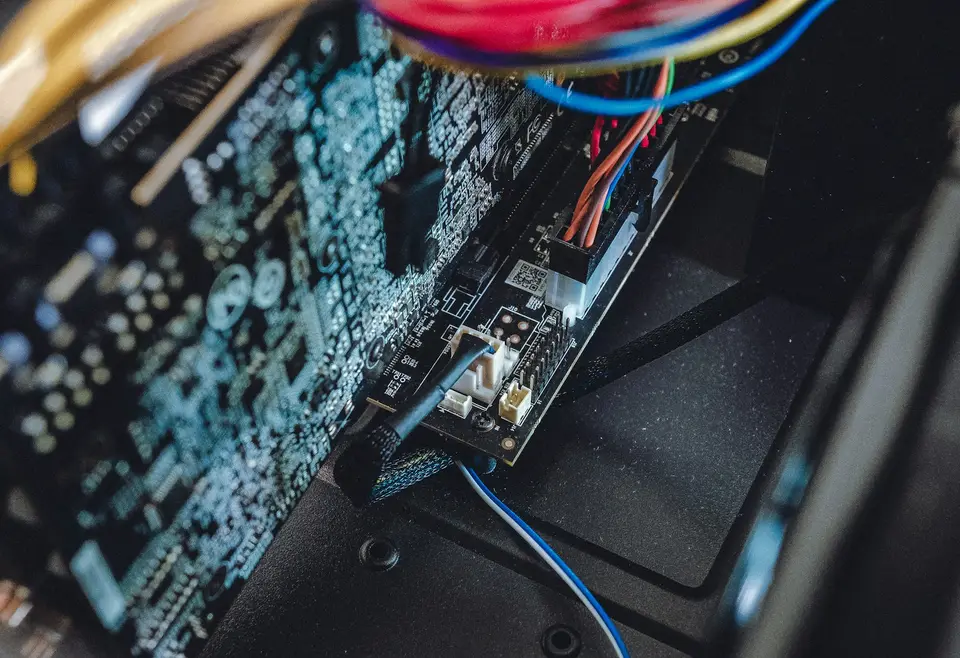
The 7 to 10 percent figure remains unconfirmed
Windows Central reported on August 10 that an unnamed PC brand executive put the average Windows OEM fee increase at 7 to 10 percent from July and said Microsoft declined to comment. The report also said Microsoft charges different manufacturers different fees, which means the percentage does not reveal the amount paid for any one computer.
APPI News could not find a public Microsoft rate card that confirms the percentage. It also could not verify the source report's claim that fees are assigned through Intel Core i3, i5 and i7 tiers, so that detail is not used as a basis for comparing models.
OEM licensing is separate from a retail Windows purchase
Microsoft's licensing guide distinguishes a full Windows license preinstalled by a computer manufacturer, the OEM channel, from a Full Packaged Product bought at retail. The reported July increase concerns the manufacturer channel and does not establish that Microsoft changed the price of a retail Windows license.
A manufacturer may fold the OEM charge into a configured computer's price alongside the hardware and other software. Without a vendor's cost disclosure, a retail listing cannot show how much of a change came from Windows, and a manufacturer may absorb part of a cost increase or pass it through at a later date.
Framework confirms the pressure, not the reported rate
Framework said on July 22 that prices for new system and Mainboard orders reflected an upcoming Core Ultra Series 3 processor increase, higher Windows license costs, and higher memory, storage and other silicon costs in some configurations. The company did not disclose the Windows component in dollars or percent, and its statement covers its own product configurations rather than the PC market as a whole.
This cost mix makes a one-to-one link between an OEM fee and a store price especially difficult. A separate APPI News review found that conventional DRAM and NAND Flash contract prices were also forecast to rise in the third quarter of 2026, although contract prices do not dictate the price of a specific computer.

The 5 percent forecast is limited to Taiwan
TechRadar reported that ASUS and Acer computer prices in Taiwan were expected to rise by about 5 percent in the third quarter of 2026, while warning that other regions and vendors could differ. That forecast came from the same United Daily News report behind the 7 to 10 percent licensing figure.
The estimate is therefore a regional outlook, not an observed global price series. It also combines pressure from Windows licensing and hardware components, so it cannot show what share of a final price change came from either category.

Comparable configurations matter more than the headline rate
A defensible price comparison starts with the same model, processor, memory, storage, Windows edition and warranty in the same country. A lower price paired with less memory or storage does not demonstrate a lower licensing charge, and prices from different countries can reflect taxes, exchange rates and support terms.
Price histories and dated quotes from several retailers can show whether a specific configuration has moved. They cannot identify the cause unless the manufacturer itemizes it, but they are more useful for a purchase decision than applying the reported 7 to 10 percent fee increase directly to a computer's retail price.
An optional replacement can also be tested against the existing computer's actual limitation. APPI News's Windows 11 memory guide explains how to separate application pressure from cached, kernel and driver memory before treating a high usage figure as evidence that new hardware is required.
None of the cited sources gives a reliable date for Windows OEM fees or memory costs to fall. The evidence therefore supports comparing current, like-for-like offers, but it does not support a universal instruction to buy immediately or wait for a particular quarter.
Frequently asked questions
Did Microsoft confirm a 7 to 10 percent OEM fee increase?
No. The figure comes from an unnamed PC executive cited by United Daily News and repeated by English-language technology publications; Windows Central said Microsoft declined to comment.
Will every Windows computer become 7 to 10 percent more expensive?
No such conclusion follows from the report. Licensing is one cost among many, and each manufacturer decides how costs affect configurations, discounts and retail prices in each market.
Does the report show that retail Windows licenses also became more expensive?
No. Microsoft's own guidance treats manufacturer-preinstalled OEM licenses and Full Packaged Product retail licenses as separate channels, while the reported change concerns OEM fees.
Does the Taiwan forecast apply worldwide?
No. The roughly 5 percent estimate covered ASUS and Acer products in Taiwan during the third quarter of 2026, and the cited report did not provide a comparable forecast for every country, brand or model.
Sources and further reading
- Amid RAM price hikes, Microsoft reportedly raises Windows license cost(Windows Central)
- Navigating the volatile silicon market: updates on memory and storage pricing(Framework)
- Windows 11 Qualifying Operating Systems(Microsoft Licensing Resources)
- Microsoft reportedly raises Windows 11 license prices for PC makers(TechRadar)