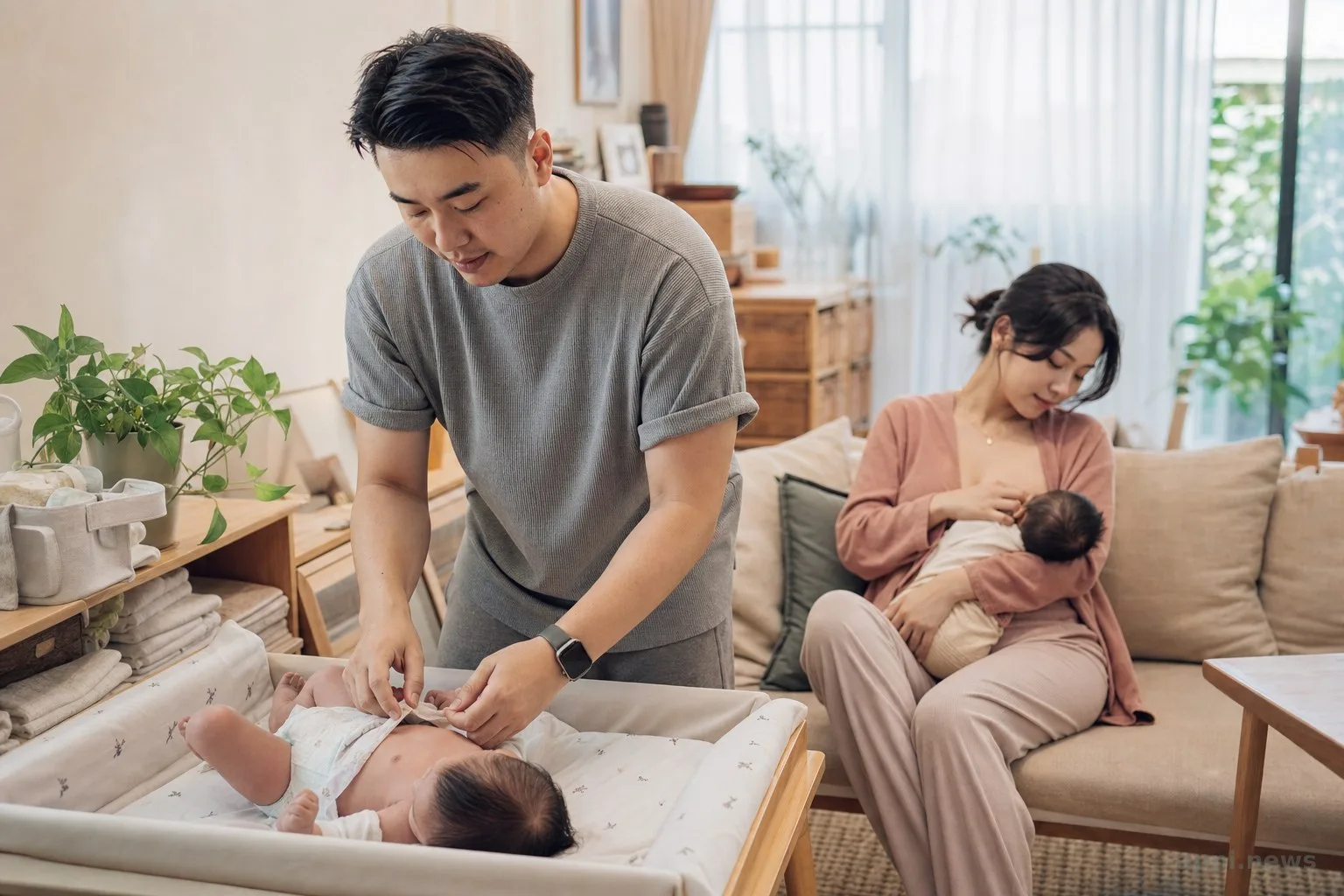
The World Health Organization (WHO) used World Breastfeeding Week, held August 1-7, 2026, to press governments, health systems and employers to expand measures already linked to better breastfeeding outcomes. The campaign's theme, “Breastfeeding for a sustainable start in life: strengthen what works,” shifts attention from new pledges to tracking results and funding interventions with an evidence base.
The policy test is broader than a health service. WHO includes skilled counseling and maternity-care practices alongside paid leave, workplace programs and controls on the marketing of breast-milk substitutes. Those measures depend on national law, public funding and employers, so their reach varies across countries and groups of workers.
The global target rose after the breastfeeding rate reached 48 percent
A 2025 policy brief edited by WHO and UNICEF estimated that 48 percent of infants under six months were exclusively breastfed in 2024. WHO Member States raised the global target to at least 60 percent by 2030 after the earlier benchmark of 50 percent was nearly reached.
The estimate measures feeding among infants aged zero to five months at the time of a survey. It is not the percentage of children who received only breast milk continuously from birth until they turned six months. Country data also come from different survey years, which limits simple comparisons between national policies and a single global figure.
The 2026 campaign identifies measures with an evidence base
WHO's 2026 campaign page lists skilled infant-feeding counseling, the Baby-Friendly Hospital Initiative, mass-media programs, marketing rules, paid maternity leave and workplace support among the approaches it wants expanded. It says a review of 16 studies linked counseling delivered across health facilities, communities and households with a 58 percent increase in exclusive breastfeeding.
The same page says evaluations covering 15,096 newborns associated the Baby-Friendly Hospital Initiative with a 45 percent increase in exclusive breastfeeding at six months and a 26 percent increase in continued breastfeeding. A separate review of 35 studies in low- and middle-income countries associated paid maternity leave with a 52 percent increase in exclusive breastfeeding.
These are pooled or summarized findings, not guarantees for a new national program. The studies covered different populations and implementation conditions, and an association between leave and feeding does not show that every leave design will produce the same result. The campaign's emphasis is on measuring local performance before expanding a program.

Paid leave, nursing breaks and a private space address different points in the return to work (illustrative image).
Workplace rights remain uneven across countries
The International Labour Organization's (ILO) 2022 review examined care laws and practices in 185 countries and documented gaps affecting self-employed people, informal workers and migrants. It covers maternity, paternity and parental leave, nursing breaks, income security and care services, using international labor standards as its benchmark.
A legal entitlement does not establish whether workers can use it without losing income, privacy or job security. Nor does the 2022 count capture every amendment made by 2026. Comparable current data on the availability of paid leave, nursing breaks and suitable facilities remain incomplete.
Leave and workplace measures also solve different problems. Time away from work may delay the return to a job, while paid nursing breaks and a private hygienic space affect what happens after an employee returns. The 2026 WHO theme treats them as parts of a support system rather than substitutes for one another.
Taiwan introduced leave that can be taken one day at a time
Taiwan provides one example of a country changing the way existing leave can be used. Taiwan's Executive Yuan, the cabinet that coordinates national policy, says eligible employees have been able to take up to 30 days of parental leave in single-day units since January 1, 2026. Two parents may use up to 60 days combined while remaining eligible for the existing allowance.
Taiwan's Bureau of Labor Insurance, which administers employment-insurance benefits, states that the parental-leave allowance equals 60 percent of an insured worker's average monthly insurance salary and is accompanied by a 20 percent wage subsidy. Payments are available for up to six months for each child, subject to insurance enrollment and other eligibility rules.
The change makes a portion of leave more flexible, but the official pages do not present it as a breastfeeding program or report a feeding outcome. Its effect cannot be inferred from the number of days available. Uptake, employer practices and the timing of leave would all need to be measured before linking the policy to breastfeeding duration.
“Strengthen what works” requires comparable follow-up data
The 2026 campaign pairs a higher global target with a demand for evaluation. Governments can count whether a law exists, but access also depends on eligibility, wage replacement, enforcement and coverage of workers outside standard employment. Health systems face a similar distinction between adopting a program and delivering it consistently.
That leaves the campaign with a practical reporting question after August 7: which measures reached parents, and where did participation remain limited? The policy record will require a clear separation between an available service and the experience of the people it is meant to support.
Sources and further reading
- World Breastfeeding Week 2026(World Health Organization)Campaign dates, theme and summaries of interventions
- Global nutrition targets 2030: breastfeeding brief(World Health Organization and UNICEF)2024 global estimate and the 2030 exclusive-breastfeeding target
- Care at work: Investing in care leave and services for a more gender equal world of work(International Labour Organization)Global review of maternity protection, nursing breaks and care policies
- Enhancing parental leave flexibility(Taiwan's Executive Yuan)Start date and single-day parental leave rules
- Parental Leave Allowances(Taiwan's Bureau of Labor Insurance)Eligibility, payment period and wage-replacement components