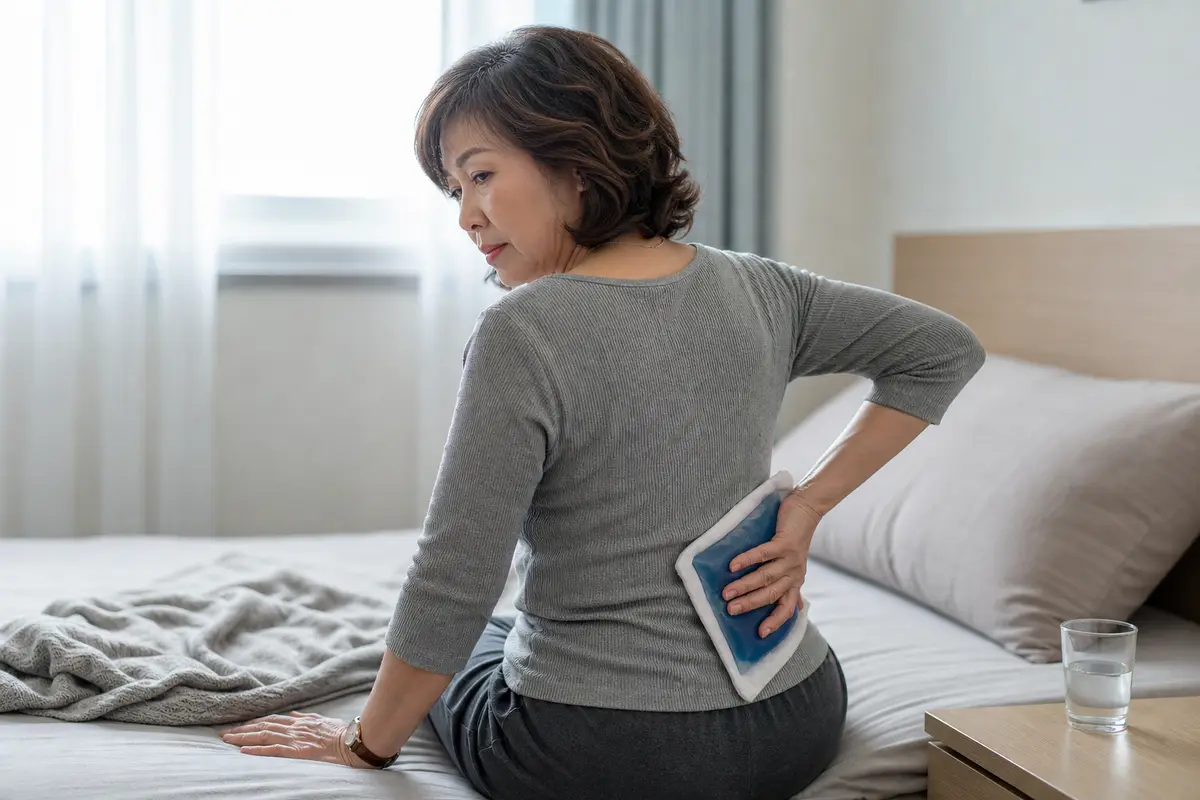
A Cochrane review found modest short-term evidence for heat wraps in acute or subacute low back pain but too little evidence to judge cold treatment. Ice may still ease pain, but a fixed ice-first schedule is not supported by strong low-back-pain research.
Sudden pain after lifting, bending or twisting is often described as a strain, yet the feeling alone cannot identify the injured tissue. The World Health Organization (WHO) says about 90 percent of low back pain is non-specific, meaning no particular disease or structural cause can be confidently identified.
New bladder, bowel or nerve symptoms need urgent care
Seek emergency assessment for a new loss of bladder or bowel control, difficulty passing urine, numbness around the genitals or anus, or rapidly worsening weakness or altered sensation in both legs. Australia's 2022 Low Back Pain Clinical Care Standard calls for emergency assessment when clinicians suspect cauda equina syndrome, spinal infection, trauma, fracture, a spinal tumor or rapidly worsening nerve or spinal-cord compression.
The Australian standard also lists major trauma, fever, unexplained weight loss, a cancer history, severe abdominal pain and collapse among features that may signal a serious cause. These features do not establish a diagnosis by themselves, but they move the decision beyond heat, ice and home observation.
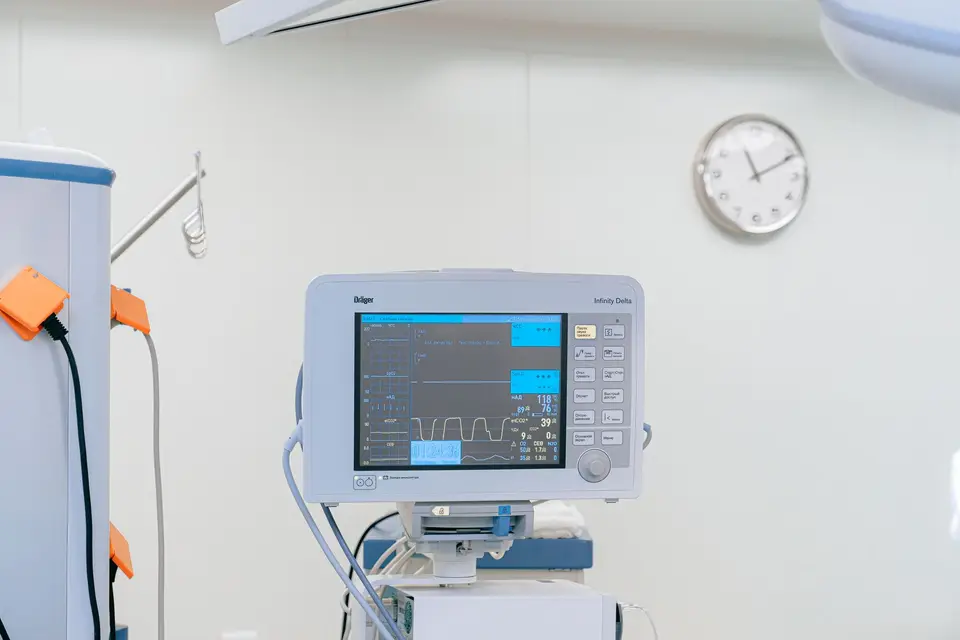
Heat has the clearer low-back-pain evidence
A Cochrane review of nine trials involving 1,117 participants found moderate evidence that heat wraps produced a small, short-term reduction in pain and disability for people with acute or subacute low back pain. The review also found that adding exercise to heat treatment improved pain and function in one trial.
The evidence was limited. The review searched studies through October 2005, and the heat findings came from only a small number of trials. Symptom relief does not demonstrate faster tissue repair, and it cannot confirm whether the pain came from muscle, ligament, a spinal structure or another source.
The Australian standard includes heat among active self-management strategies and urges a return to usual activity as soon as feasible. It does not require a person to wait 48 hours before using heat.
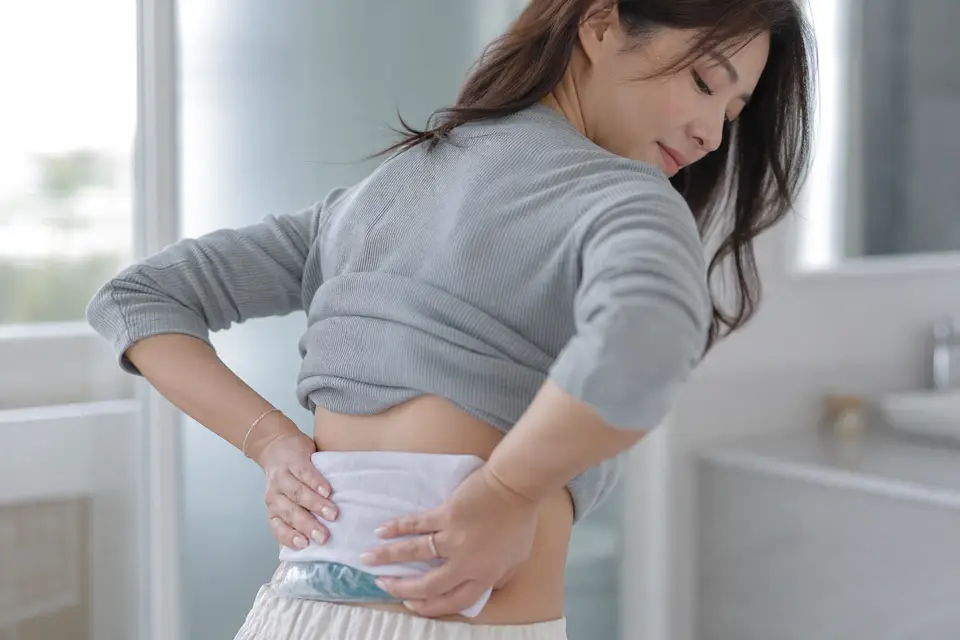
Ice is an option for pain, not a mandatory first step
The same Cochrane review found only three poor-quality studies of cold treatment and concluded that the evidence was insufficient to judge its effect on low back pain. It also found conflicting evidence on whether heat or cold works better.
MedlinePlus, a service of the US National Library of Medicine, advises resting a strained muscle and applying wrapped ice during the first few days, then using heat as pain decreases. That advice concerns muscle strains generally. It does not show that all sudden low back pain is a strain or establish a universal 24-to-48-hour rule.
If cold feels helpful, keep a cloth between the cold pack and the skin and stop if the skin becomes painful or damaged. A heat source should also be wrapped rather than placed directly against bare skin. Neither option should be used to delay assessment when warning signs are present.
Keep moving within tolerable limits
The Australian standard recommends staying active instead of resting in bed. It says painful tasks such as lifting may need to be reduced or modified for several days, followed by a gradual return to normal activity.
Movement does not have to mean exercise during the most painful hours. Changing position, taking short walks and continuing manageable daily tasks can reduce long periods of inactivity. Stop and obtain assessment if movement brings rapidly worsening weakness, spreading numbness or a marked loss of function.

Children, pregnancy and chronic conditions need separate decisions
Children
The American Academy of Pediatrics advises contacting a pediatrician when a child with back pain is younger than 10, when pain persists or worsens, or when it occurs with fever, weight loss, limb symptoms, bladder or bowel changes, or an altered gait. Back pain in a young child without an injury also warrants pediatric assessment rather than an adult heat-or-ice routine.
Pregnancy
England's National Health Service (NHS) lists a warm bath among ways to ease pregnancy-related back pain and advises urgent contact with a maternity clinician when pain occurs with fever, vaginal bleeding, painful urination or pain under the ribs. It advises emergency care for loss of feeling in either leg, the buttocks or the genitals; severe pain also warrants contact with a maternity clinician.
Reduced sensation, chronic illness and regular medicines
England's Newcastle upon Tyne Hospitals NHS Foundation Trust advises against applying a hot or cold pack to numb skin or skin with poor sensation and says circulatory conditions can make cold treatment unsuitable. People with reduced temperature sensation, circulation problems or chronic illness should ask a clinician before using either treatment.
WHO advises older people and those with other medical conditions to speak with a healthcare provider before using medicines for low back pain. A clinician or pharmacist should account for other medicines and medical history; this guide does not specify a painkiller, dose or treatment duration.

Frequently asked questions
Should ice always come before heat during the first 48 hours?
No high-certainty low-back-pain evidence establishes that sequence for everyone. Heat has modest evidence for short-term relief, while evidence for cold is insufficient; either may change symptoms without proving faster healing.
Can an ice pack touch the skin directly?
No. Wrap it in cloth to reduce the risk of skin injury, and do not apply hot or cold packs to an area with reduced sensation.
Is bed rest the safest response?
Prolonged bed rest is discouraged. Continue manageable daily movement, modify painful tasks for a few days and build activity back gradually.
Which symptoms require emergency assessment?
New bladder or bowel dysfunction, numbness around the genitals or anus, rapidly worsening weakness or altered sensation in both legs, or pain after major trauma requires emergency assessment.
When should a child or pregnant person contact a clinician?
A child younger than 10 with back pain, or any child with persistent pain or neurological, fever, weight, gait, bladder or bowel symptoms, needs pediatric advice. During pregnancy, severe pain or back pain with fever, painful urination, vaginal bleeding or pain under the ribs warrants contact with a maternity clinician.
Sources and further reading
- Low back pain(World Health Organization)
- Low Back Pain Clinical Care Standard(Australian Commission on Safety and Quality in Health Care)
- Superficial heat or cold for low back pain(Cochrane)
- Muscle strain treatment(MedlinePlus, US National Library of Medicine)
- Back pain in pregnancy(National Health Service in England)
- Back Pain in Children & Teens(HealthyChildren.org, American Academy of Pediatrics)
- Back problems(Newcastle upon Tyne Hospitals NHS Foundation Trust)