US Assistant Secretary of State for South and Central Asian Affairs S. Paul Kapur began a weeklong trip to India, Uzbekistan, the Kyrgyz Republic and Kazakhstan on August 5. Meetings with government and business representatives were expected to cover trade, investment and supply-chain resilience.
The itinerary places India and three Central Asian states in the same diplomatic trip, but it does not create a single policy framework spanning both regions. Kapur's India meetings concern the wider US-India partnership, while the Central Asian stops build on C5+1, a forum linking the United States with five countries in the region.
C5+1 has shifted toward minerals
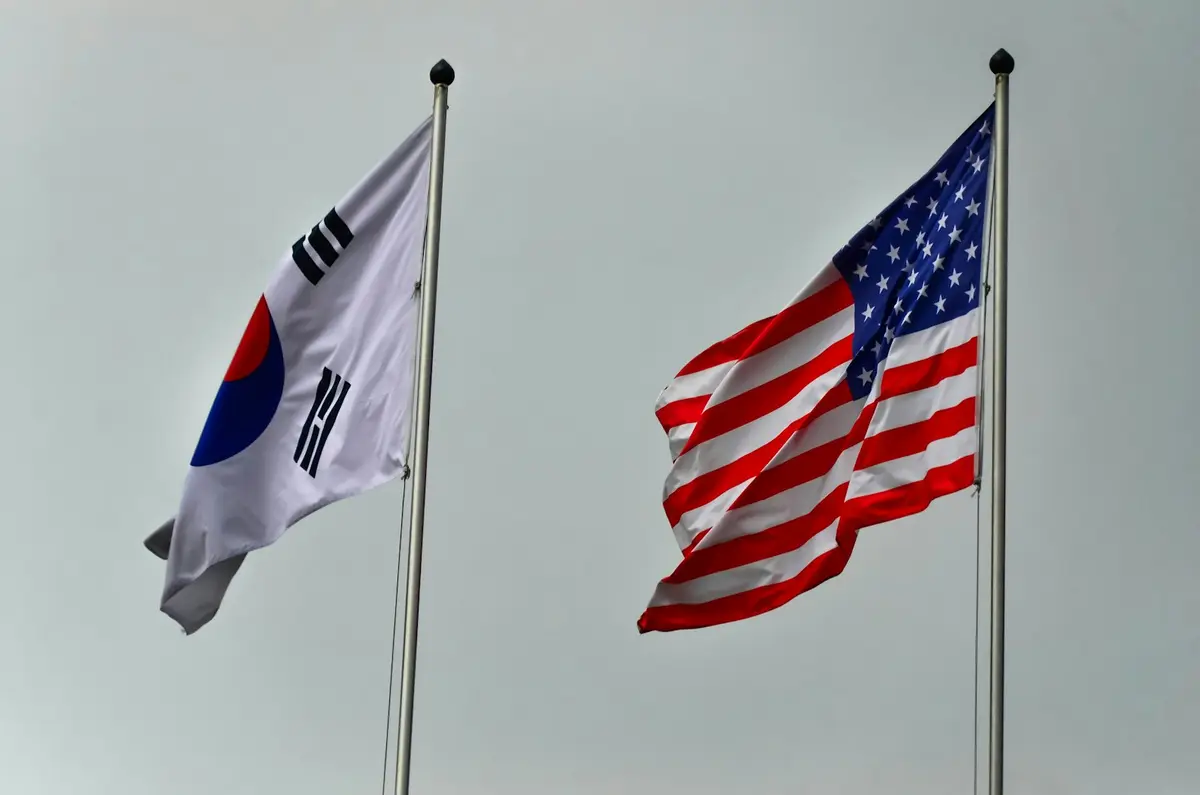
The United States, Kazakhstan, the Kyrgyz Republic, Tajikistan, Turkmenistan and Uzbekistan launched C5+1 in September 2015 as a regional diplomatic forum. It operates alongside bilateral relations rather than replacing them.
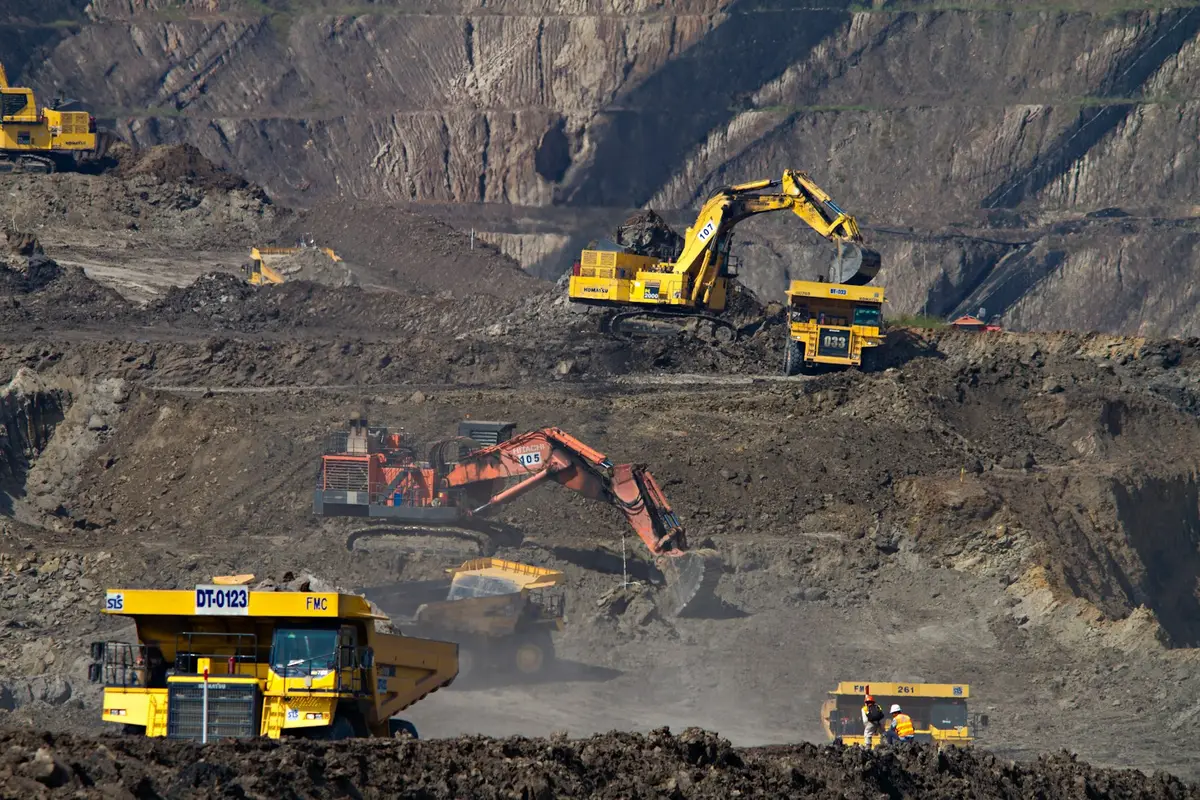
The minerals agenda became more explicit in February 2024, when the United States launched the C5+1 Critical Minerals Dialogue. Its stated work includes geological exploration, investment in mining and processing, and links between Central Asian producers and global supply chains.
The six governments later committed to continue the dialogue and seek investment in exploration, mining, processing and value-added production. A diplomatic commitment does not guarantee financing for a particular project.
Governments are opening their geological inventories
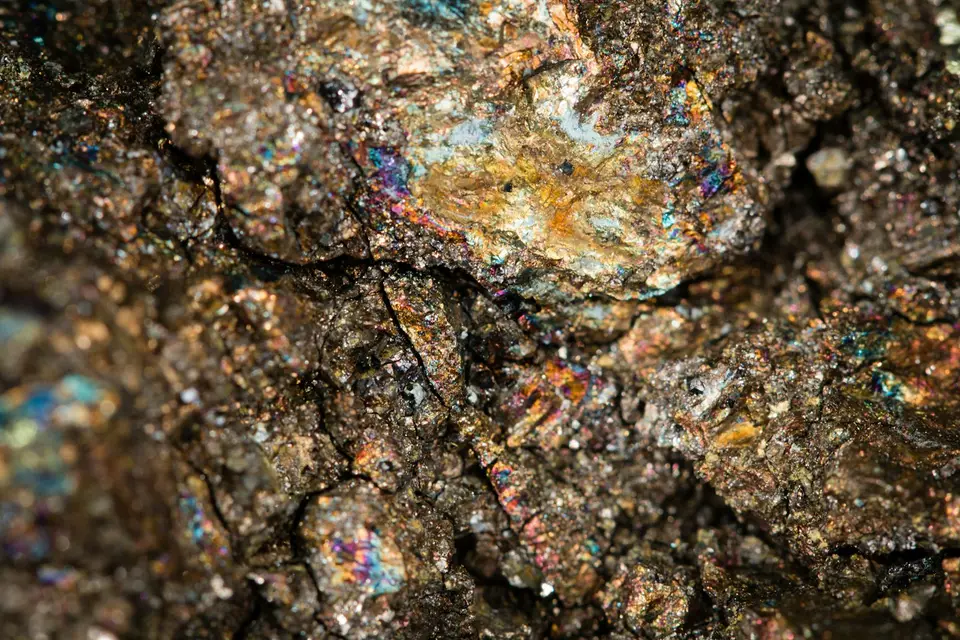
Officials at a C5+1 dialogue in Astana on June 10 said the Kyrgyz Republic had identified 22 critical minerals, while Tajikistan had identified about 800 mineral deposits and was developing about 100 of them. These figures came from the countries' own representatives and were not presented as the result of a single independent regional survey.
Uzbekistan's mining minister told the same meeting that geological surveys had covered about 40 percent of the country. He said Uzbekistan planned more than 500,000 meters of additional drilling by 2027 and airborne surveys covering 60,000 square kilometers.
The discussion also exposed a barrier to investment: companies need accessible geological records prepared to comparable standards. US Commerce Department official David Fogel told the meeting that digital, high-quality data can influence investment decisions. Central Asian representatives proposed a regional platform for exchanging geological information.
The 2025 summit raised the commercial stakes
US President Donald Trump hosted the five Central Asian presidents in Washington in November 2025 as his administration sought new sources of rare earths and other critical minerals. The meeting marked the tenth anniversary of C5+1 and placed mineral supply chains near the center of the economic agenda.
The summit and subsequent business meetings are not evidence that a critical-minerals project has entered production. Mine development requires verified reserves, permits, power, processing capacity, financing and routes to buyers. Each stage can change the cost and schedule.
A six-government statement issued after the 2025 summit called for continued C5+1 work on exploration, mining, processing and value-added production. It also backed the February 2026 B5+1 business forum in Bishkek, showing that officials were directing the diplomatic process toward private-sector participation.
Transport remains a constraint
Central Asia has rare earth deposits and produces about half of the world's uranium, while its critical-minerals exports have long tilted toward China and Russia. Access to mineral resources is only one part of a supply chain.
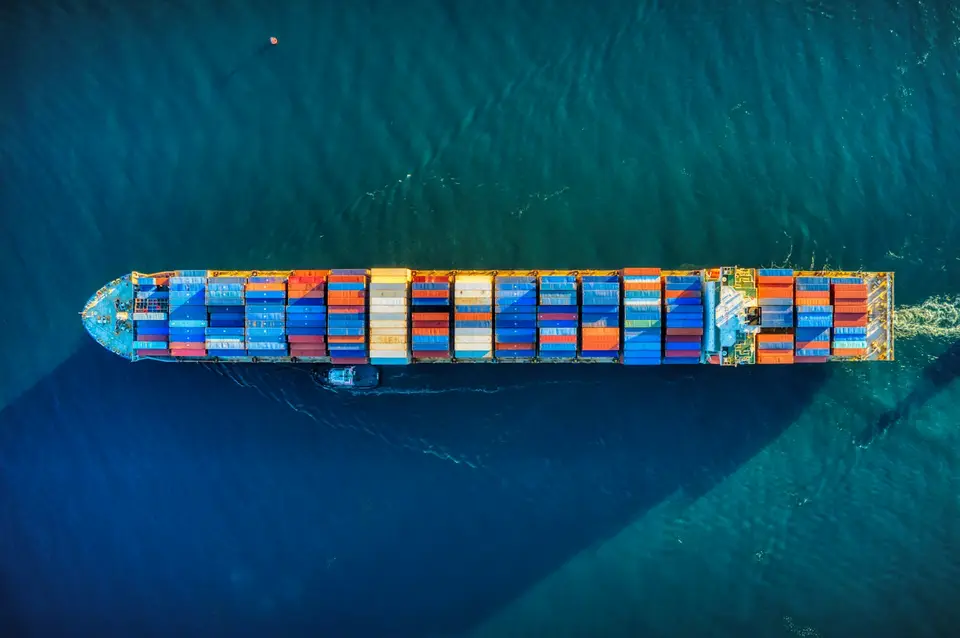
The six C5+1 governments called for development of the Trans-Caspian trade route and more resilient supply-chain connections. Westbound shipments across the Caspian Sea require several border and transport transfers, adding cost and coordination demands before minerals can reach a wider range of buyers.
India is a separate leg of the trip
Kapur's visit to India followed a trip to New Delhi in March 2026. The August itinerary put bilateral trade and Indo-Pacific issues beside the Central Asian agenda, but no public agreement tied India to the C5+1 minerals dialogue at the time of writing.
The trip nevertheless reflects a broader US effort to discuss economic security across South and Central Asia. Its measurable results will depend on whether governments publish project terms, geological data and financing commitments after the meetings, rather than on the number of diplomatic forums or preliminary announcements.
Sources and further reading
- Kazakhstan-United States relations(Ministry of Foreign Affairs of Kazakhstan)
- Central Asian Countries Outline Critical Minerals Strategies at C5+1 Dialogue(The Astana Times)
- Statement of Intent on C5+1 Economic Cooperation(Ministry of Foreign Affairs of Kazakhstan)
- Trump discusses rare earth metals with Central Asian leaders(Associated Press)