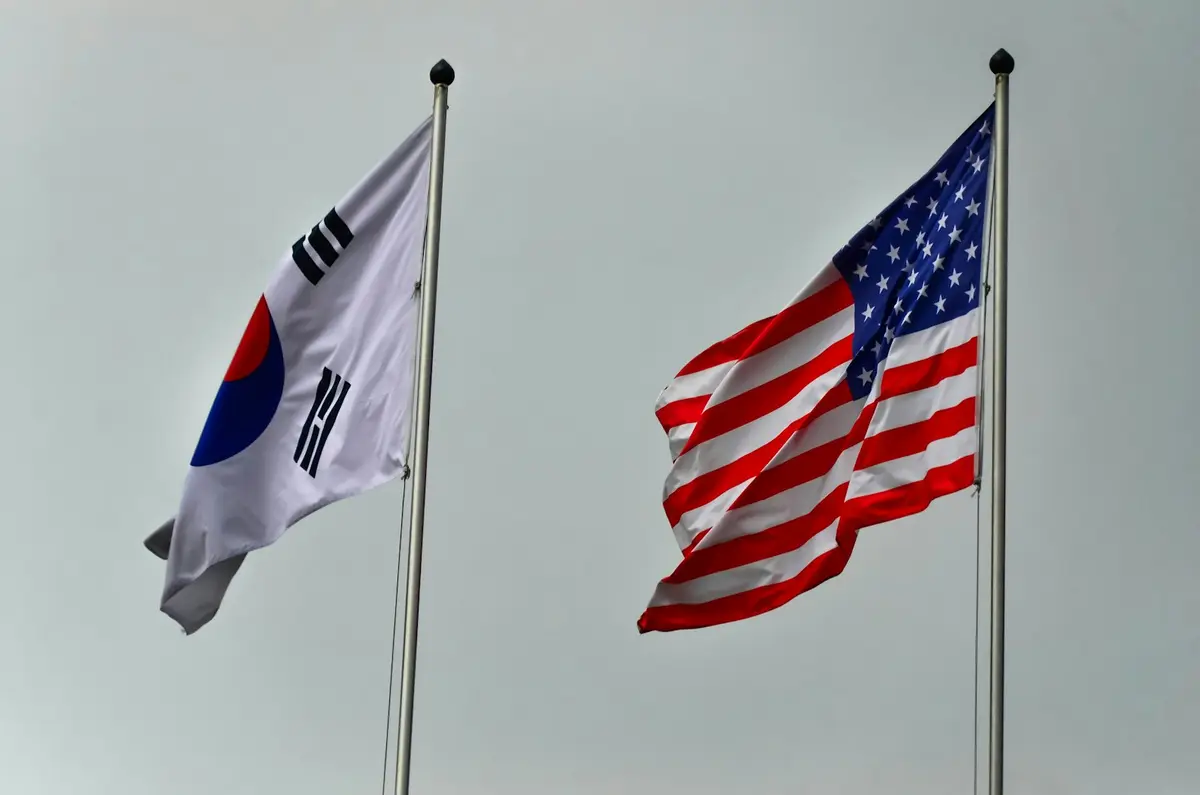
US President Donald Trump ordered the Pentagon on August 16 to reduce American participation in the annual Ulchi Freedom Shield military exercise with South Korea, saying the drills were costly and sent a hostile signal to North Korea. The 11-day exercise began on schedule the following day, but the order did not identify which activities or personnel would be cut.
Trump also said South Korean President Lee Jae Myung had declined a request to join the US campaign against Iran. South Korea's presidential office said the two countries were discussing practical and military contributions to freedom of navigation in the Strait of Hormuz, but it did not confirm Trump's description of the exchange. APPI News could not find a published statement from Lee's office corroborating the specific request as of August 18.
Ulchi Freedom Shield continued on its original schedule
The allies announced that Ulchi Freedom Shield would run for 11 days from August 17 and involve about 18,000 South Korean troops, a scale similar to the previous year's exercise. They did not publish a total for US personnel, so the 18,000 figure should not be read as an allied troop count.
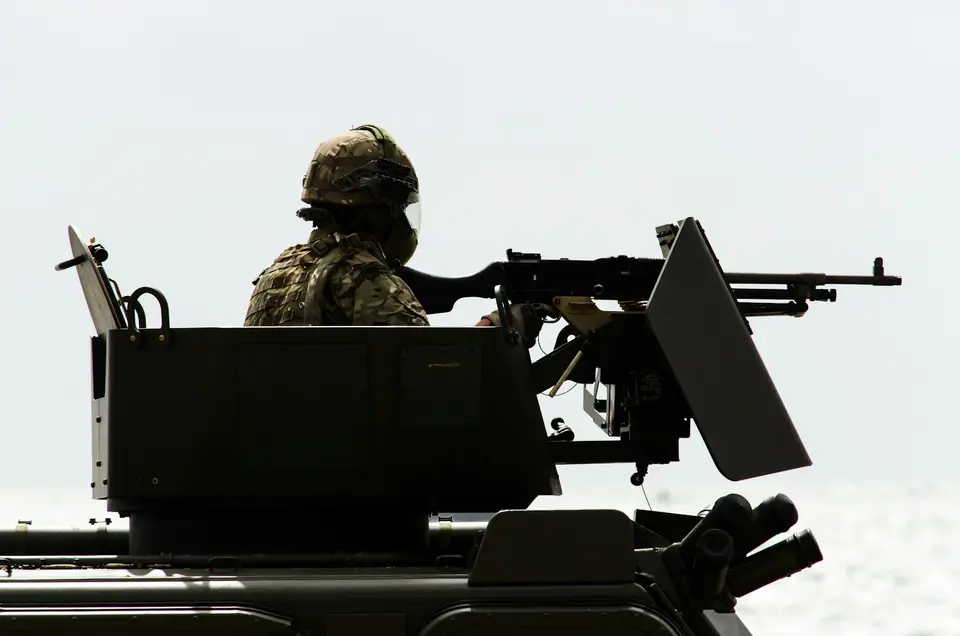
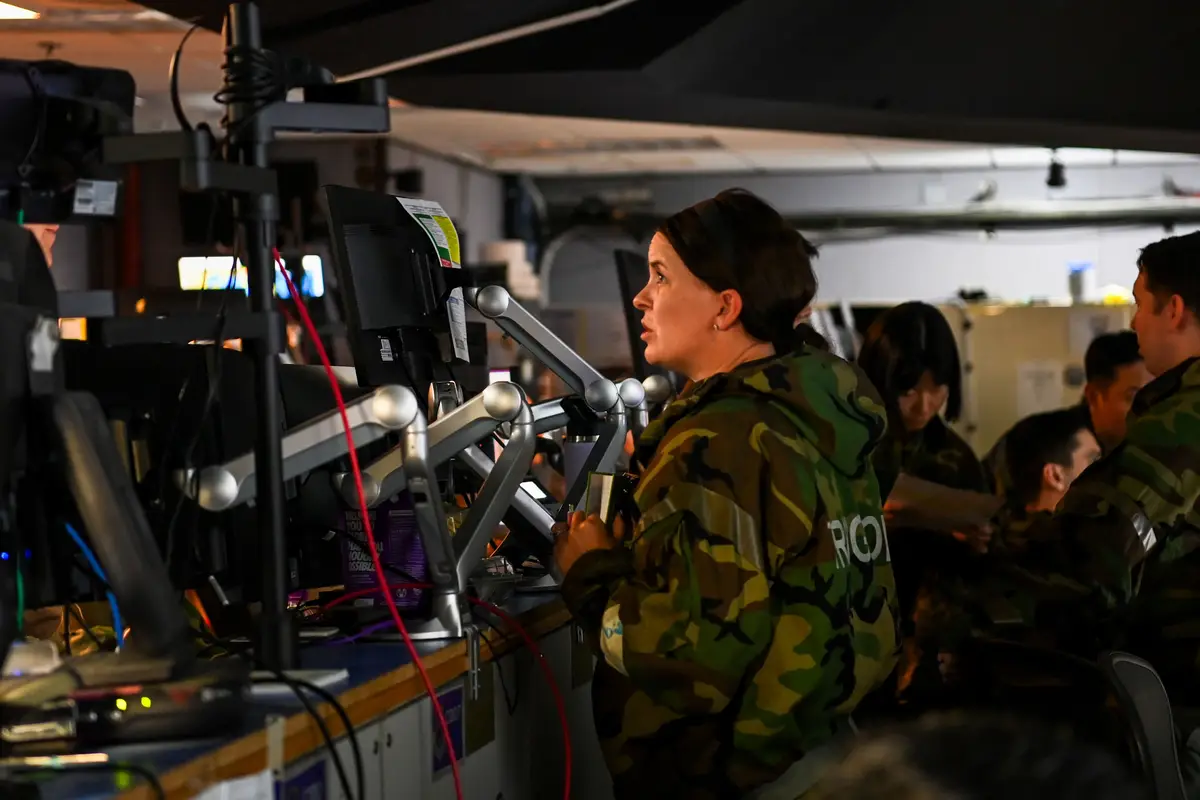
US and South Korean military spokespeople said the exercise would combine computer-assisted command-post work with field training. Planned events included live-fire precision targeting, a wet-gap crossing and the distribution of prepositioned military equipment. South Korea's Defense Ministry confirmed that training started as scheduled, while public statements available on August 18 did not provide an itemized account of the US reduction.
The drill also supports a command transition
Ulchi Freedom Shield is largely a computer-simulated command-post exercise and one of the allies' two main annual drills. Its purpose extends beyond the number of troops in the field because commanders use it to practice how the two militaries would coordinate during a crisis or conflict.
Under the current arrangement, a US general would lead the allies' combined forces in wartime. The planned future command would be led by a South Korean general after jointly agreed conditions are met. A 2023 communique from the two countries' defense ministers said Freedom Shield and Ulchi Freedom Shield had supported assessments of military components involved in that transition.
Lee Illwoo of the Korea Defense Network told the Associated Press that reducing the 2026 exercise could delay the transition, while Yang Uk of South Korea's Asan Institute for Policy Studies expected expensive field training to bear the cuts. Those were forecasts rather than announced changes. The public 2026 exercise outline did not identify a certification event that Trump's order had canceled.
The allies suspended a major exercise in 2018
The US Defense Department indefinitely suspended the Freedom Guardian exercise and two Korea Marine Exchange Program events in June 2018. The department said the decision was coordinated with South Korea and intended to support diplomacy after Trump's first summit with Kim in Singapore.
Large combined training later resumed, and the 2023 bilateral defense communique documented Ulchi Freedom Shield field exercises and capability assessments. That record came three years before the latest order. The 2018 action was a suspension, while Trump's 2026 post called for a reduction after he said it was too late to cancel the exercise.
The immediate effect remained undefined
As of August 18, neither the US nor South Korean military had published the number of US personnel removed from the exercise or a list of canceled and unchanged events. The announced schedule and the South Korean participation figure therefore described the original plan, not the final scale after Trump's order.
The order did not announce a change to permanent US troop levels in South Korea, future exercise schedules or the 1953 bilateral defense treaty. Claims about a lasting loss of readiness or alliance trust could not be measured from the information then available; the first test would be the training the two militaries actually completed.
Sources and further reading
- Trump orders Pentagon to scale back joint exercises with South Korea(Associated Press)
- South Korea hopes for talks between US and North Korea after Trump downsizes military drills(Associated Press)
- South Korea, US to begin exercises next week to bolster readiness against North's threats(Associated Press)
- Drills cut by Trump are central to the US-South Korea alliance(Associated Press)
- 55th Security Consultative Meeting Joint Communique(US Indo-Pacific Command)
- Press Statement on Military Exercises on the Korean Peninsula(US Department of Defense)