US forces have shifted air-defense interceptors prepositioned for the Indo-Pacific to support operations in the Middle East, CBS News reported on July 23. US military and intelligence officials told the broadcaster that the early rate of precision-munition use in the Iran campaign could not be sustained.
The transfers have left other US combatant commands with smaller reserves than planners consider ideal, according to CBS News. The Pentagon has not disclosed the types, quantities or original locations of each interceptor moved.
Public estimates show a drawdown measured in years
The Center for Strategic and International Studies (CSIS) estimated that US forces may have used more than half of the prewar inventory for four of seven missile types during the first 39 days of the air and missile campaign. Its April 21 analysis said restoring those seven inventories to prewar levels would take one to four years as missiles already in the production pipeline are delivered.
CSIS based its estimates on US defense budget documents, reported weapons use and assumptions about shelf life, training rounds and previous transfers. The underlying inventories are classified, and the report presents ranges rather than an official count.
CSIS said more than 1,000 Tomahawk cruise missiles and about 1,100 Joint Air-to-Surface Standoff Missiles had been used by the time it updated the report on April 24. It also cited conflicting accounts over whether the entire US inventory of the newer Precision Strike Missile had been expended, illustrating the limits of public estimates during an active conflict.
Moves from Asia narrow regional margins
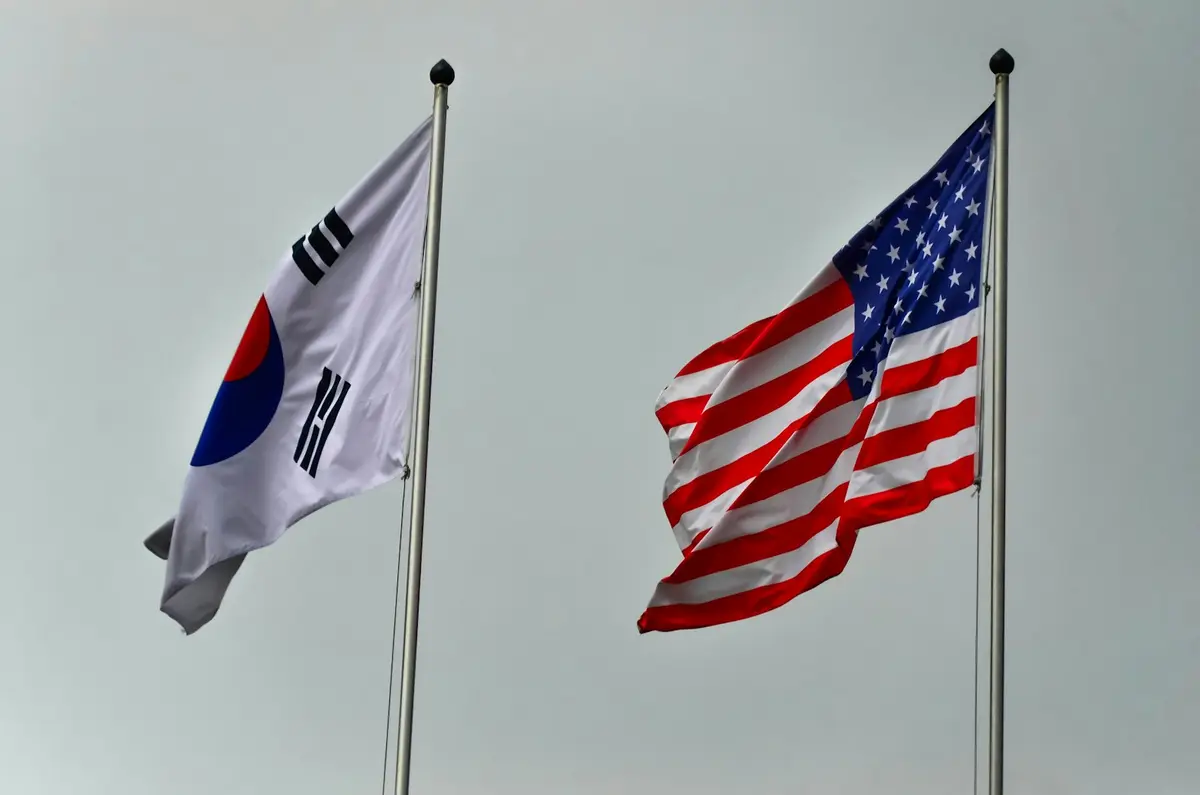
The Washington Post reported on March 28 that parts of a US Terminal High Altitude Area Defense (THAAD) system had been relocated from South Korea to the Persian Gulf and that thousands of US Marines stationed in Japan had been ordered west. The report described concern among officials and analysts in Japan, South Korea, the Philippines and Taiwan that a prolonged Middle East war could pull attention and assets away from the region.
Those movements do not by themselves show that US defense commitments in Asia have changed. Public reporting does not identify how many THAAD interceptors left South Korea, the configuration that remained, or how the move changed the system's readiness.
Demand extends beyond Asia. CSIS said 18 countries operate Patriot systems, roughly half of annual production supports allies and partners, and Ukraine is also seeking more interceptors. Governments must therefore compete for new production while existing supplies tighten.
Factories cannot replace every missile quickly
Adm. Samuel Paparo, commander of US Indo-Pacific Command, told lawmakers in April that expanding production of high-end weapons such as Tomahawk and JASSM missiles would take one to two years. CBS News quoted him as saying the increase would not arrive soon enough to remove near-term limits.
CSIS put the historical wait for a first delivery at about 24 months and said recent lead times had stretched to 36 months or more, followed by about another year to complete a production lot. The group estimated a total cycle of about 52 months for some orders, even when funding is approved.
The Pentagon rejects claims of a stockpile crisis
US Defense Secretary Pete Hegseth said the country's stockpiles were strong and would grow, while Pentagon spokesman Sean Parnell said the military retained the capabilities needed to protect US personnel and interests. Their statements rejected the description of a crisis but did not provide inventory totals.
The public record therefore supports a narrower conclusion than claims that the United States is running out of missiles. Weapons have been drawn from stocks intended to support several regions, production cannot immediately match some rates of use, and exact remaining inventories are not public. The effect on any future operation in the Indo-Pacific will depend on the duration of the Iran campaign, further transfers and the pace of new deliveries.
Sources and further reading
- Rapid pace of interceptor and precision-guided weapons use worries Trump administration(CBS News)
- Last Rounds? Status of Key Munitions at the Iran War Ceasefire(Center for Strategic and International Studies)
- Dread deepens among U.S. allies in Asia over a protracted Mideast war(The Washington Post)