Cuba recorded its sixth nationwide grid collapse of 2026 in early August, extending an electricity crisis that has left homes and public services dependent on short, unpredictable periods of supply. The Associated Press reported two nationwide collapses in March and three in July before the sixth failure on August 2.
Fuel shortages have reduced the electricity available to a system already weakened by old generating equipment and limited maintenance. US measures targeting oil deliveries have tightened the supply constraint since January, while Washington and Havana dispute how much responsibility lies with US policy and how much with the Cuban government’s management of the power sector.
Oil dependence leaves little room when imports fall
The International Energy Agency says oil products provide more than 80 percent of Cuba’s electricity generation. That concentration makes the power system vulnerable when imported fuel becomes scarce and domestic production cannot cover demand.
Al Jazeera reported that the July 14 collapse was Cuba’s fifth nationwide blackout of 2026 and left about 10 million people without electricity. The report cited fuel shortages and an aging grid, while recording opposing claims from Havana and Washington about the cause of the broader crisis.
The latest failures show that the problem extends beyond the amount of power available on an ordinary day. A national grid must keep frequency and supply stable as generating units connect and disconnect. Low reserves leave operators with fewer options when a plant fails or demand shifts, increasing the risk that a local fault spreads.
Households organize daily life around brief supply windows
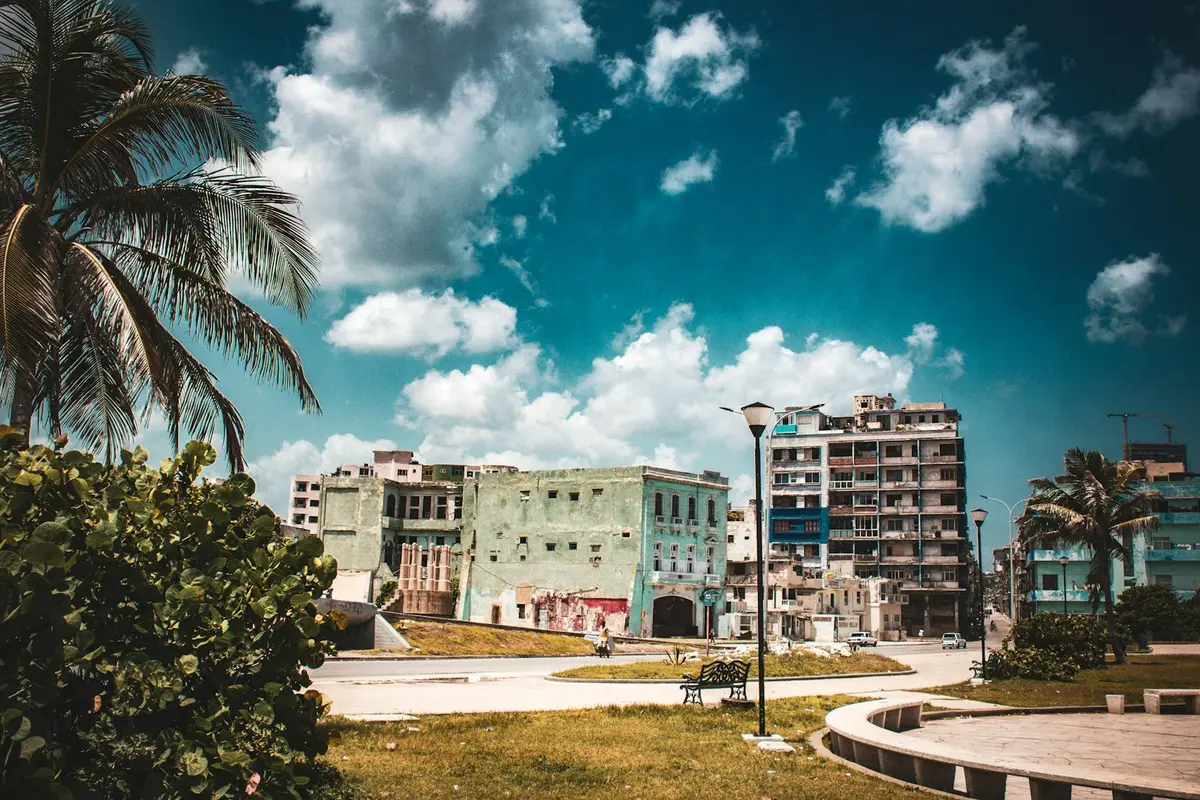
Scheduled cuts once gave many households two or three hours without electricity at a known time. The current outages can last 12 hours, 30 hours or longer, and supply may return for only minutes or a few hours. Residents use those windows to cook, wash clothes, pump water and charge devices.
AP found that some Havana residents had bought small generators, solar panels, rechargeable fans or solar-powered vehicles, while one resident had returned to cooking over a wood fire. These measures offer limited relief because generators still need fuel and small solar systems cannot replace grid power for every household appliance.

Transport, tourism and food supplies absorb the disruption
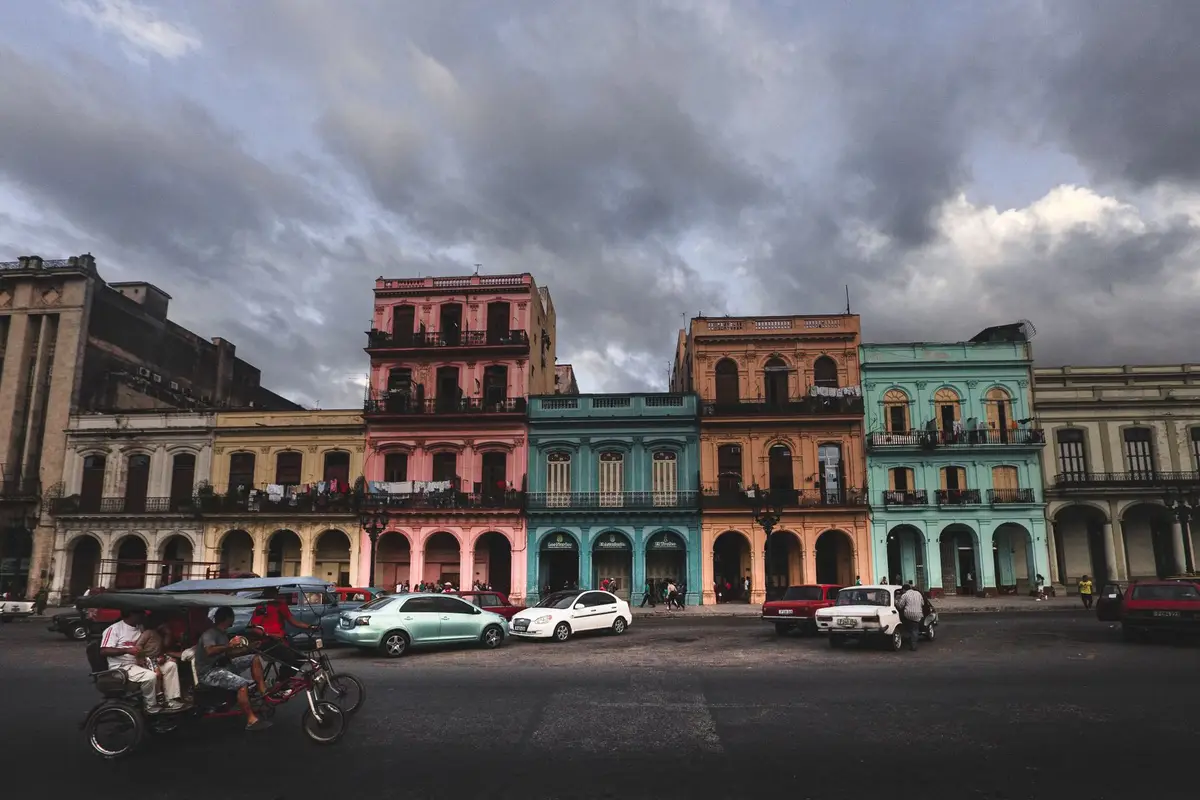
Electricity cuts also interrupt water pumping, spoil refrigerated food and shorten working hours. Public transport has largely stopped in parts of the country, flights are regularly canceled and medicine shortages have worsened. Tourism has stalled as operators withdraw and basic services become less reliable.
Long outages have also produced public protests. AP reported that residents in several municipalities, particularly in Havana, banged pots and pans and burned uncollected garbage after losing power for more than 48 hours. Inflation and the Cuban peso’s decline against the US dollar have made spoiled food harder for households to replace.
Restoring power does not resolve the structural shortage
Restarting a collapsed grid can restore service after an individual failure, but it does not supply fuel or repair aging generating units. The system remains exposed until Cuba can secure dependable energy inputs, maintain enough generation in reserve and reinforce the network against cascading failures.
US control over Venezuelan oil exports forms part of the wider dispute over Cuba’s lost supply. A separate APPI News report examines demands for accountability over Venezuelan oil revenue managed by the United States. That dispute does not determine the technical cause of any individual blackout in Cuba.
Sources and further reading
- Night becomes day with unpredictability of power in Cuba(Associated Press)
- Cubans sleep on seaside boardwalk to seek relief from crippling blackouts and summer heat(Associated Press)
- Cuba’s power grid collapses again, triggering third blackout in 10 days(Al Jazeera)
- Cuba: Energy system overview(International Energy Agency)