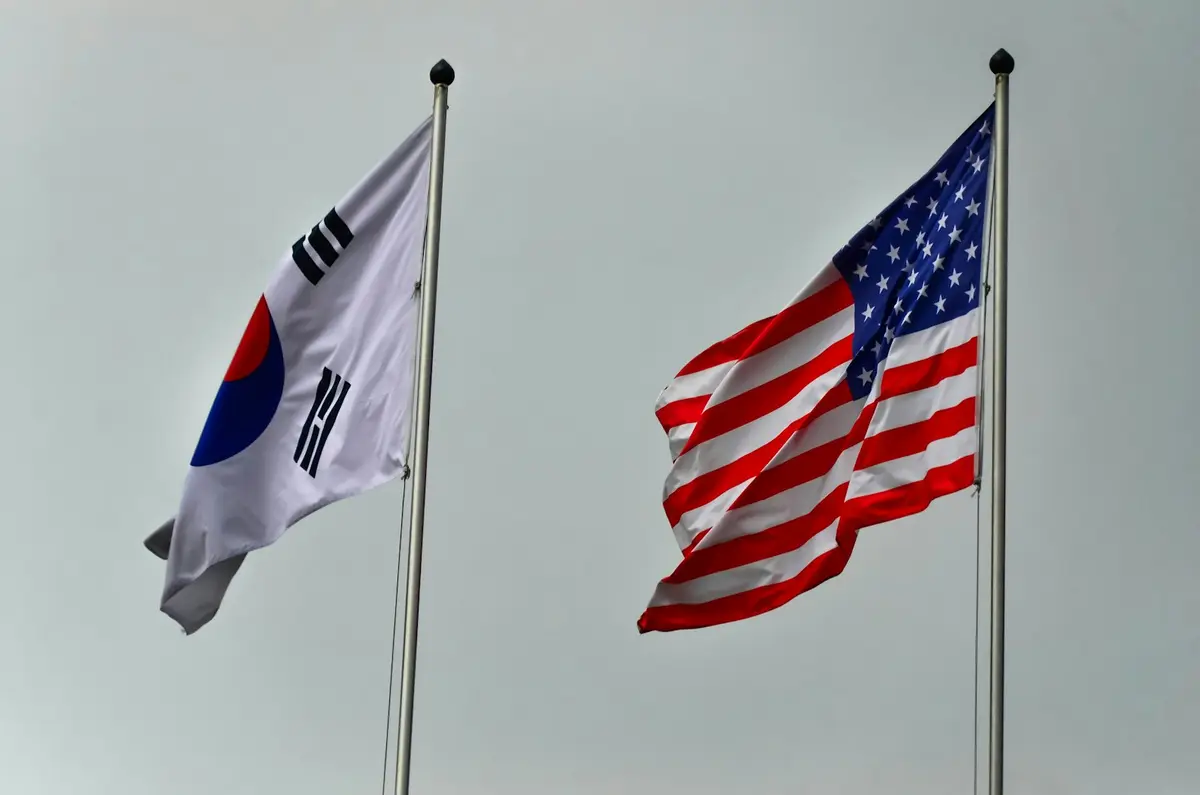
The United States and South Korea ended their Ulchi Freedom Shield exercise on August 21, six days before its planned August 27 conclusion. The allies had agreed on August 19 to shorten the annual drill from 11 scheduled days to five after US President Donald Trump ordered the Pentagon to cut it back.
South Korea's military said the United States requested the change, while the Pentagon said some events had been canceled or converted to simulations. The Pentagon said other tactical training would continue and that US training objectives would be preserved. Neither military released an itemized account of the affected events.
The order arrived hours before training began
The Iran exchange remains Trump's account. APPI News could not find a published account from South Korea's presidential office confirming that its president received or rejected the request. South Korean Foreign Minister Cho Hyun and Defense Minister Ahn Gyu-back told lawmakers on August 19 that officials in neither government had advance notice of Trump's exercise order.
The original plan involved 18,000 South Korean troops
The original 11-day plan involved about 18,000 South Korean troops and was similar in scale to the previous year's exercise, according to a joint briefing by South Korean and US military spokespeople. The allies did not provide a total number of US personnel taking part.
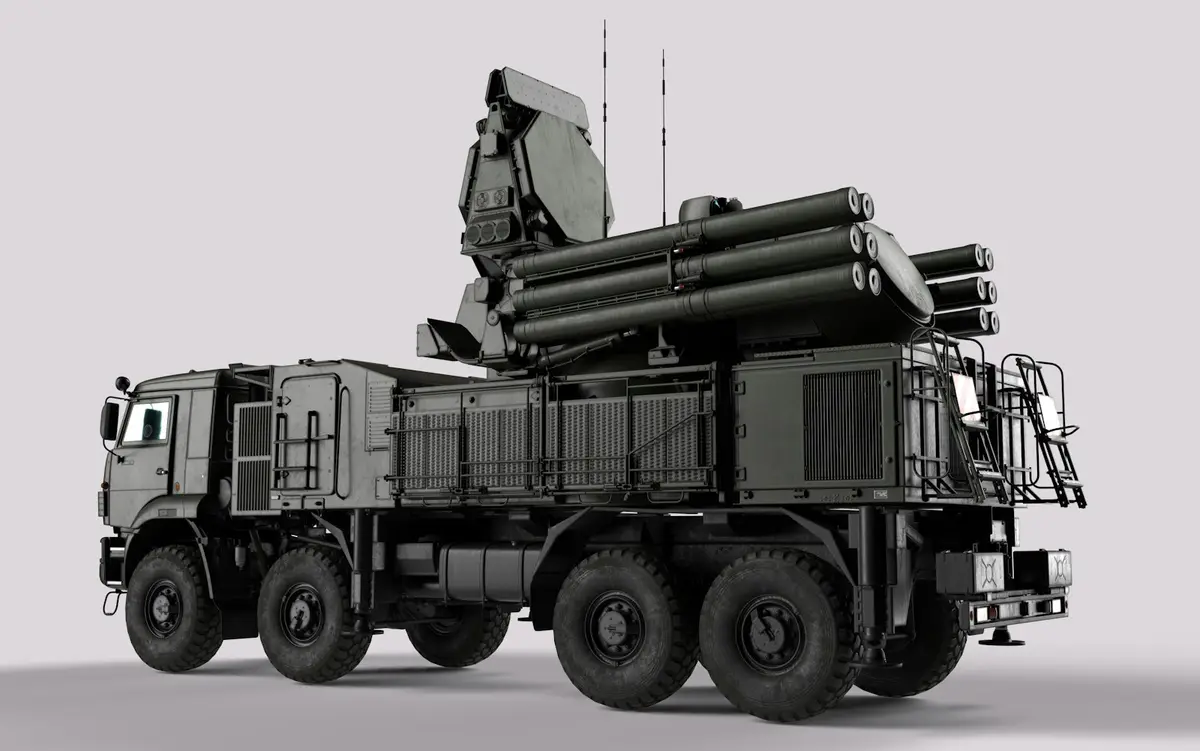
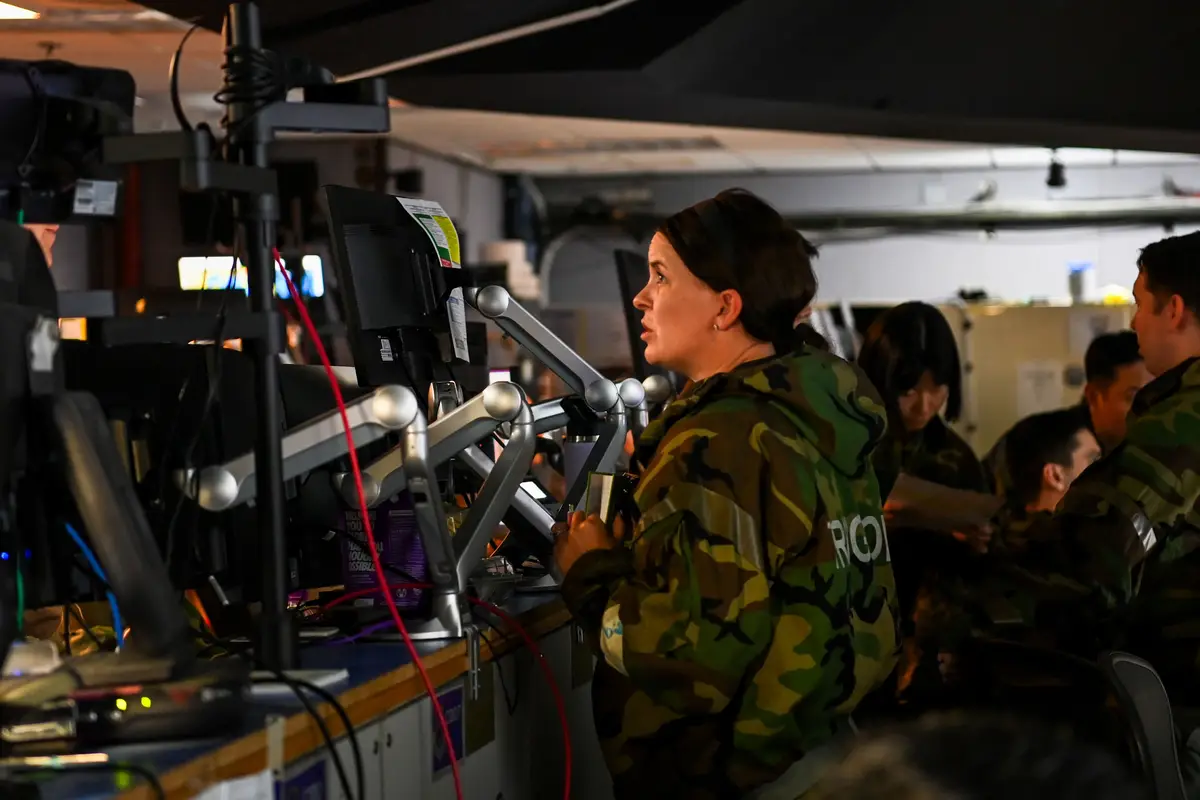
United States Forces Korea describes Ulchi Freedom Shield as annual combined, joint, all-domain and interagency training. The 2026 command-post element was largely computer-simulated. Planned field events included live-fire precision targeting, a wet-gap crossing and the distribution of prepositioned military equipment.
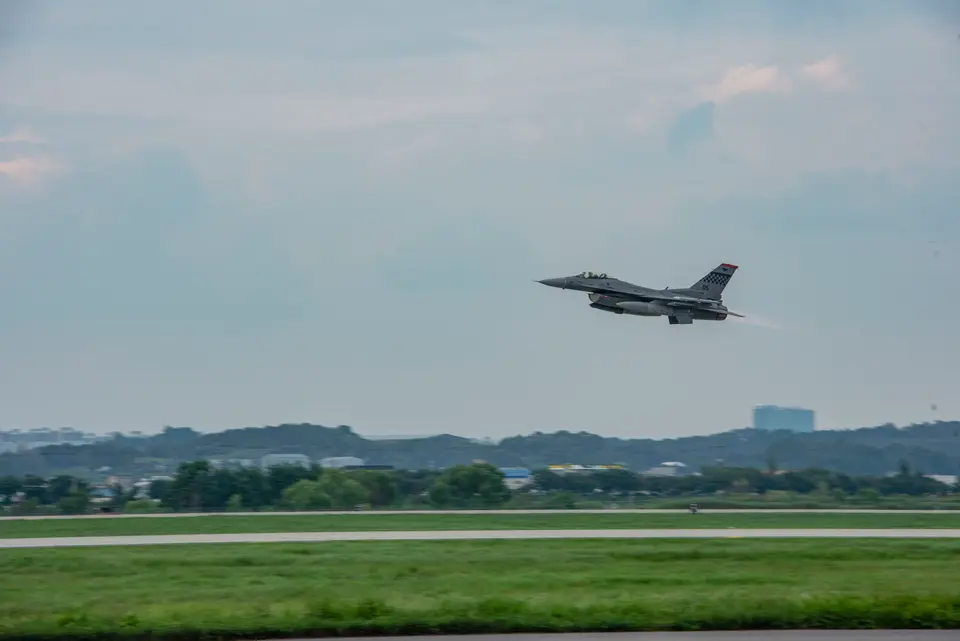
The command-post exercise was initially divided into a defensive phase ending August 21 and a counteroffensive phase running through August 27. The revised schedule ends on the first phase's closing date, but public statements do not show which planned activities were dropped rather than simulated or rescheduled.
North Korea dismisses the reduction
Kim Yo Jong, the North Korean leader's sister and an influential official, said the smaller exercise did not change what Pyongyang regards as its provocative and aggressive character. Her statement was North Korea's first public response after the allies confirmed the reduction.
North Korea had launched two ballistic missiles into the sea in the days before the exercise and denounced the drills as preparation for an attack. South Korea and the United States describe Ulchi Freedom Shield as defensive training intended to improve their response to North Korean threats.
South Korean president backs the reduction
Trump said he expected to meet Kim in 2026 and claimed North Korea had 57 nuclear weapons, while Kim Yo Jong denied that the two leaders were communicating. APPI News could not independently verify the weapons count, and the statements do not establish that a meeting has been scheduled.
The allies also suspended a major exercise in 2018
The US Defense Department suspended the 2018 Freedom Guardian exercise after Trump's first meeting with Kim in Singapore. Large combined exercises later resumed, and Ulchi Freedom Shield is now one of the allies' two main annual drills.
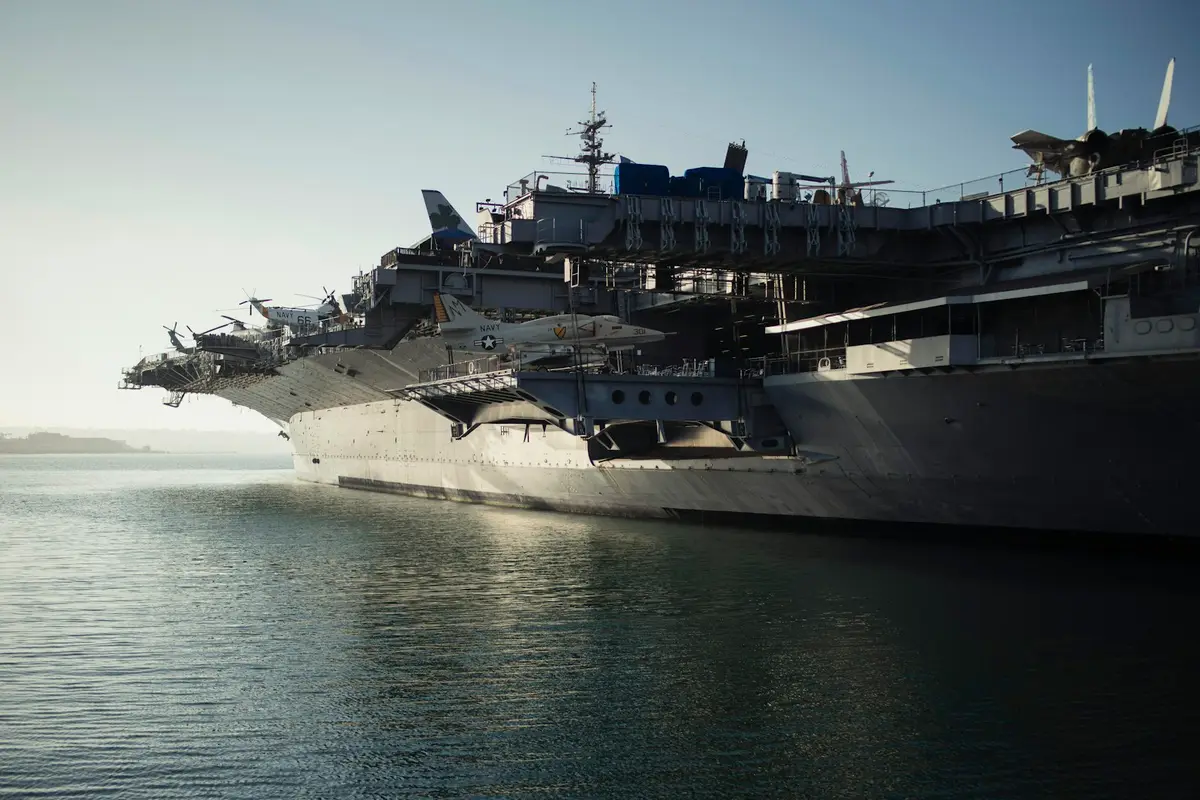
The latest cut also comes as US military resources have shifted toward Middle East operations. APPI News has separately reported that USS George Washington left the western Pacific for a reported Middle East handover.
Those movements and the shorter exercise do not by themselves establish a permanent change in US defense commitments to South Korea. APPI News could not find a published bilateral decision changing future exercises, permanent troop levels or the 1953 US-South Korea Mutual Defense Treaty.
Sources and further reading
- US, South Korean militaries wrapping up drills early, a day after North Korea's missile barrage(Associated Press)
- North Korea shrugs off Trump's scaled-back drills with South Korea, saying it changes nothing(Associated Press)
- Trump orders Pentagon to scale back joint exercises with South Korea(Associated Press)
- South Korea, US to begin exercises next week to bolster readiness against North's threats(Associated Press)
- Ulchi Freedom Shield(United States Forces Korea)
- Press Statement on Military Exercises on the Korean Peninsula(US Department of Defense)
- Lee backs Trump on scaling back Korea-US drills, vows stronger self-defense(ChosunBiz)