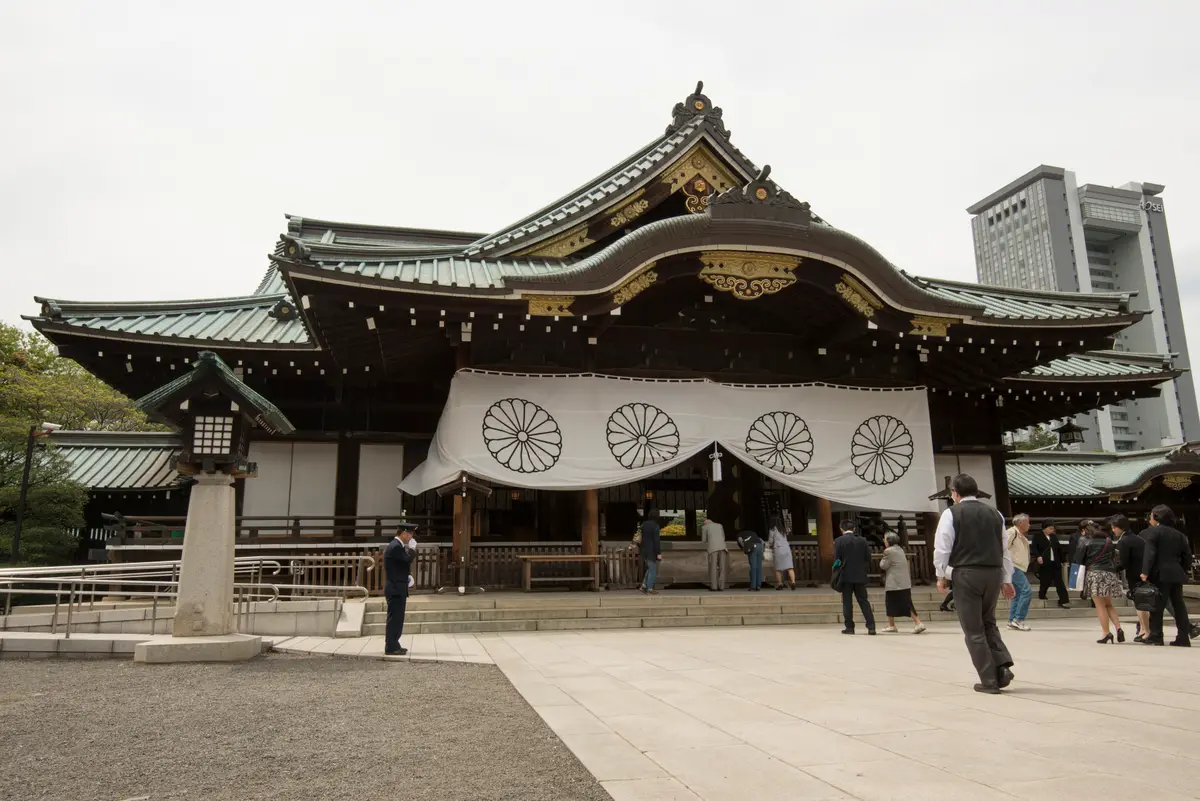
Japan's Defense Minister Shinjiro Koizumi, three other Cabinet ministers and three executives of the governing Liberal Democratic Party (LDP) visited Tokyo's Yasukuni Shrine on August 15, 2026, the 81st anniversary of Japan's surrender in World War II. Prime Minister Sanae Takaichi did not visit the shrine, but LDP secretary-general Shunichi Suzuki delivered a cash offering she made in her capacity as party leader.
Yasukuni honors more than 2.4 million people who died in conflicts involving Japan, including 14 Class-A war criminals. Their presence makes visits by Japanese political leaders a recurring diplomatic dispute with China and South Korea, both of which protested on Saturday.
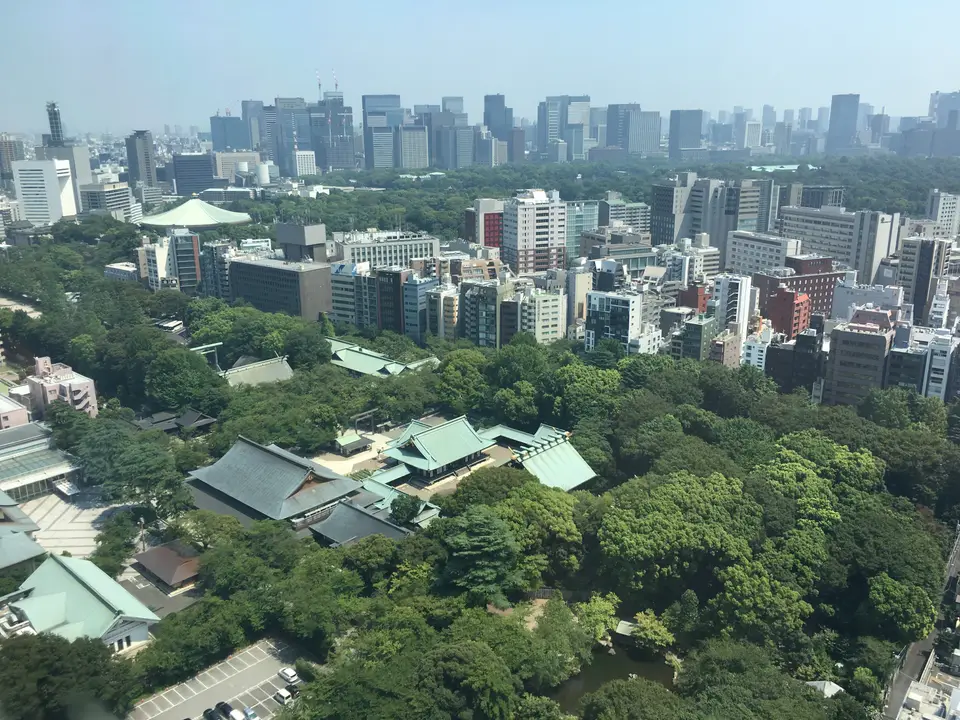
Takaichi stayed away but sent an offering
Takaichi attended Japan's national memorial ceremony at Nippon Budokan, near Yasukuni, and pledged that the tragedy of war would not be repeated. The Associated Press (AP) described her absence from the shrine as an apparent effort to limit further strain with China and South Korea. Takaichi did not publicly identify diplomacy as her reason for staying away.
Suzuki said he prayed with Takaichi's thoughts in mind and carried her offering as LDP leader, but he did not disclose its value. Koizumi later said he had renewed his resolve to renounce war and uphold Japan's postwar responsibilities as a peaceful country. The accessible AP report did not identify the other three Cabinet ministers, and APPI News could not independently verify a complete list.
Why Yasukuni remains a diplomatic fault line
Emperor Meiji ordered the shrine's construction in 1869 to honor people who died defending the imperial cause. After Japan's 1945 surrender ended State Shinto, Yasukuni became a private religious corporation. It is not a cemetery: those listed there are enshrined as kami, or sacred spirits in the Shinto tradition.
A Yasukuni head priest secretly enshrined 14 Class-A war criminals in 1978. The Class-A designation covered leaders accused of crimes against peace for planning and waging war; the group includes wartime Prime Minister Hideki Tojo. Japanese emperors have not visited Yasukuni since the enshrinement became known, although imperial emissaries attend major rites.
The shrine has a different meaning for many relatives of the war dead, who regard it as a place of mourning. China and South Korea view visits by Japanese leaders as evidence of insufficient remorse for Japan's wartime aggression. The dispute therefore concerns both religious remembrance inside Japan and the public meaning of political visits across East Asia.
China and South Korea register protests
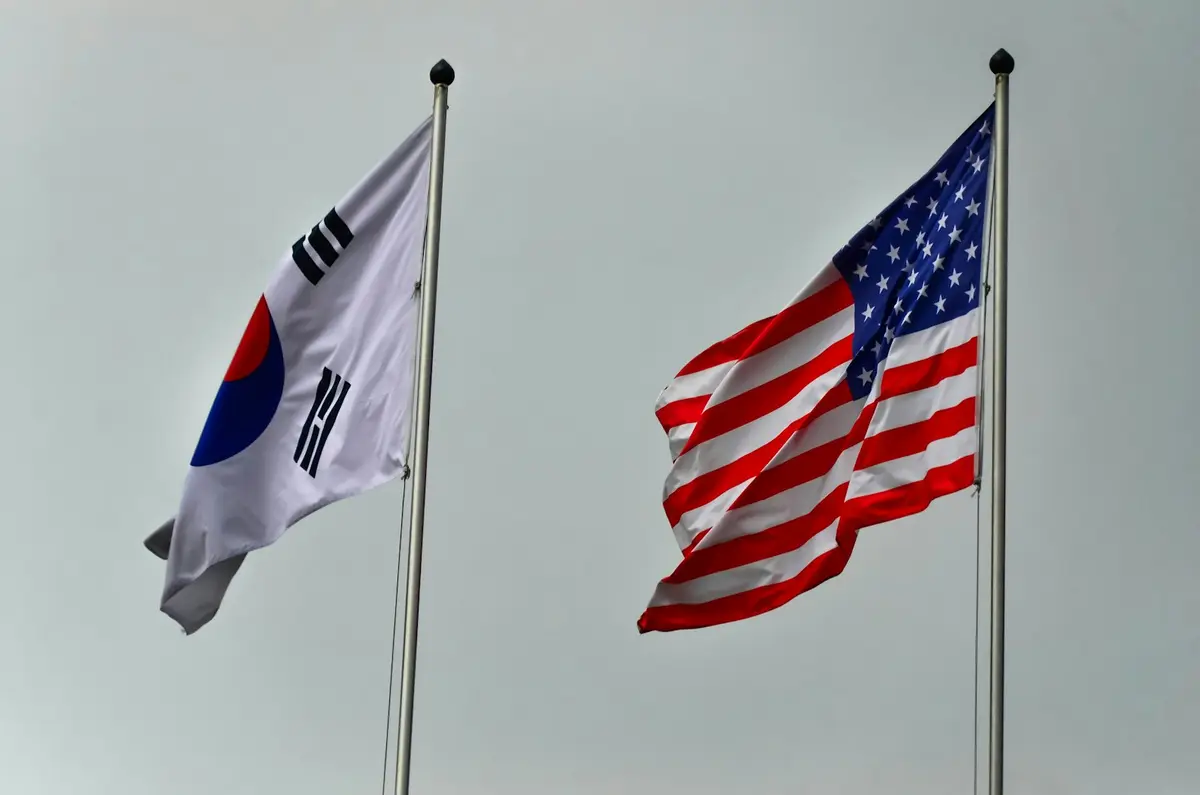
China's Foreign Ministry lodged a protest with Japan and accused the visiting politicians of trying to obscure Japan's war crimes and accelerate militarization. It urged Japan to reflect on its history and break with militarism. South Korea's Foreign Ministry called the visits and offerings an anachronistic act that disregarded history, according to AP.
August 15 is also South Korea's Liberation Day, marking the end of Japanese colonial rule on the Korean Peninsula. South Korean President Lee Jae Myung said the same day that cooperation with Japan was more important than ever. The two messages placed the shrine protest alongside Seoul's stated interest in continued bilateral cooperation.
What remains unverified
APPI News could not locate English-language versions of the August 15 statements on the websites of China's Foreign Ministry or South Korea's Foreign Ministry at the time of writing. The descriptions of both governments' responses above therefore rely on AP's reporting rather than official English transcripts. The names of the three Cabinet ministers who accompanied Koizumi also remain unverified in the sources used for this article.
Frequently asked questions
What is Yasukuni Shrine?
It is a private Shinto shrine in Tokyo that honors more than 2.4 million people connected to conflicts involving Japan. Those enshrined include 14 Class-A war criminals added in 1978.
Did Prime Minister Sanae Takaichi visit on August 15, 2026?
No. She attended Japan's national memorial nearby and sent a cash offering to Yasukuni in her capacity as leader of the LDP.
Which Japanese officials visited?
AP identified Defense Minister Shinjiro Koizumi and LDP secretary-general Shunichi Suzuki, and reported that three other Cabinet ministers and two other LDP executives also attended. Its accessible report did not name those five people.
Why did China and South Korea object?
Both governments regard visits by Japanese leaders as evidence that Japan has not adequately confronted its wartime aggression. The 14 Class-A war criminals enshrined at Yasukuni are central to that dispute.