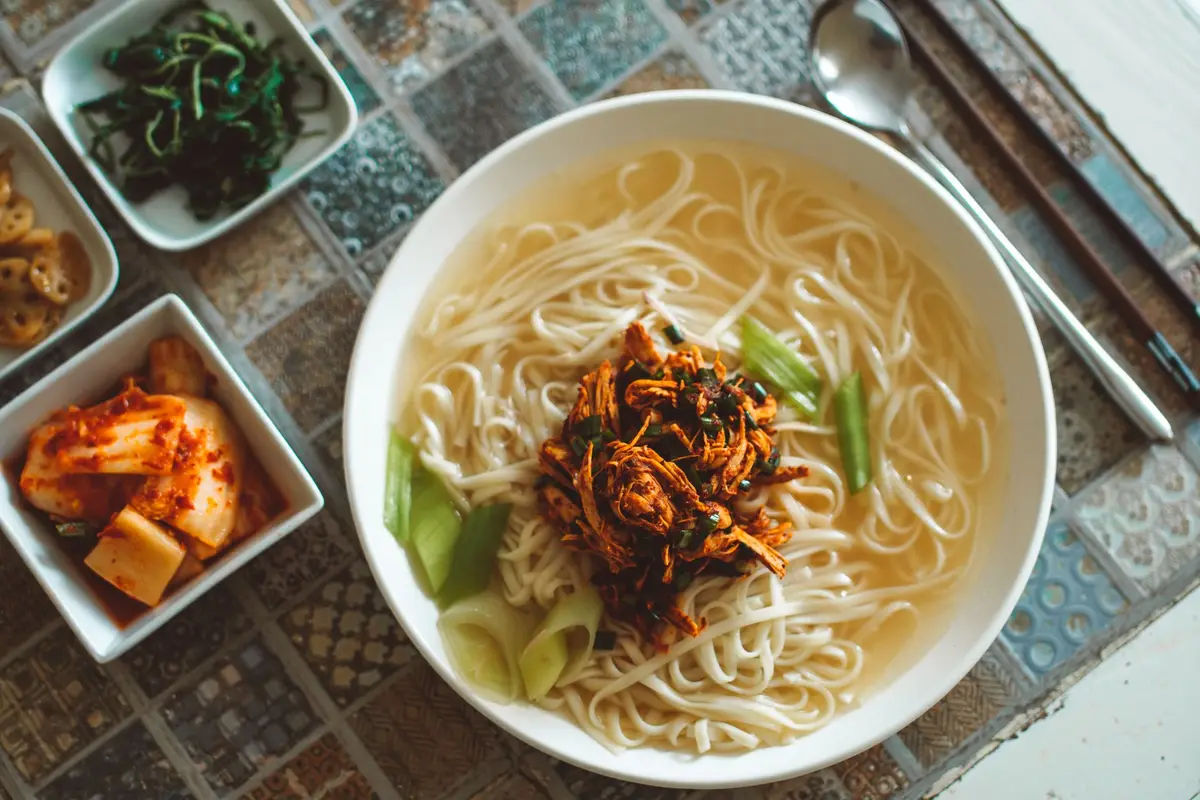
North Korea's main newspaper promoted dog meat soup, fish porridge and produce as foods for coping with a heat wave across the Korean Peninsula in early August. The campaign put a traditional summer menu alongside official heat alerts, but it did not provide evidence that any of the dishes reduced heat illness.
North Korean authorities had issued heat wave advisories in many areas, according to an August 5 report from the Associated Press. APPI News could not find a public North Korean count of heat-related illnesses, hospitalizations or deaths at the time of writing, limiting comparison with reporting from South Korea.
State newspaper turns to traditional summer foods
The Associated Press reported that Min Son Yong, deputy director of the internal medicine department at Pyongyang General Hospital, told North Korea's main Rodong Sinmun newspaper that people should eat dog meat and fish porridge to supplement protein. Min also named watermelons, cucumbers, tomatoes, mung beans and ginger as cooling foods, according to the report.
Dog meat is called dangogi, or "sweet meat," in North Korea and is traditionally eaten during the hottest part of the year. The current recommendation continues a cultural message used by North Korean media for years; it does not establish that the soup prevents heatstroke or changes mortality.
The food campaign predates this heat wave
Yonhap News Agency reported in July 2025 that a dog meat cooking competition shown by North Korean television drew about 200 cooks in Pyongyang and that North Korea had registered sweet meat soup as regional intangible cultural heritage in 2022. The competition was presented as a way to improve cooking standards and share preparation methods.
That policy differs from South Korea's. The same Yonhap report said South Korea had enacted a law banning the breeding of dogs for food and the distribution and sale of dog meat from February 2027.
South Korean data cannot fill North Korea's reporting gap
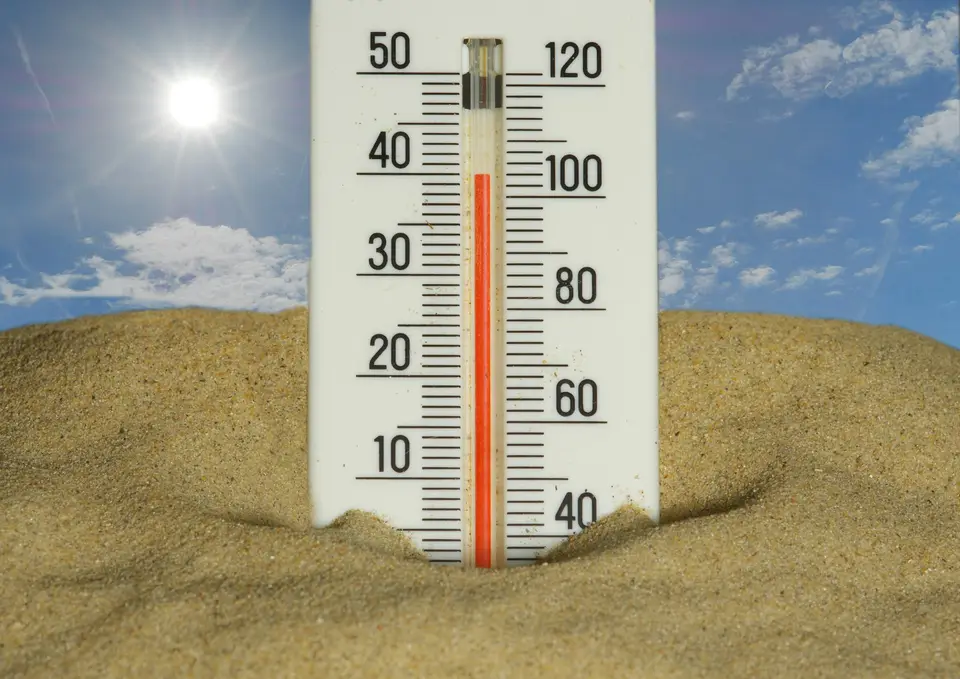
Those figures establish the regional heat wave's severity, not North Korea's toll. The countries maintain separate reporting systems, and APPI News' inability to find published North Korean data prevents a direct comparison.
The evidence supports a media story, not a health claim
The verifiable development is that North Korean authorities combined heat alerts with a familiar food campaign. The reporting does not show how many people followed the advice, whether the foods were broadly available or whether they changed any health outcome.
APPI News verified the current recommendation through the Associated Press and the longer official campaign through Yonhap News Agency. It could not independently inspect the cited Rodong Sinmun article or find a North Korean national heat-health tally at the time of writing.
Sources and further reading
- Record heat wave impacts people and animals in Japan and Korean Peninsula(Associated Press)
- N. Korea holds dog meat cooking contest, touts it as summer health food(Yonhap News Agency)