Conflict-related deaths in Pakistan's Balochistan province rose from 109 in June to 372 in July 2026, according to the Pakistan Institute for Conflict and Security Studies (PICSS). The Islamabad-based think tank reported the 241 percent increase on August 1 and called July Pakistan's deadliest month of 2026.
The figures require separate treatment by category. PICSS counted 205 security personnel, civilians and peace committee members killed across Pakistan, then listed 401 people it classified as militants, bringing the combined total to 606.
Balochistan drove the monthly increase
PICSS counted 62 security personnel, 54 civilians, 18 peace committee members and 238 alleged militants among Balochistan's 372 deaths in July. The civilian toll rose 93 percent from 28 in June, while security personnel deaths rose 933 percent from six.
The institute's nationwide count put security personnel deaths at 112, civilian deaths at 74 and peace committee deaths at 19. It also counted 232 people injured and said the 401 alleged militant deaths were the highest monthly total in more than a decade.
A deadly week pushed the province higher
PICSS recorded 37 militant attacks across Pakistan from July 3 to July 9, killing 108 people and injuring 65. Balochistan accounted for 25 of those attacks and 102 deaths, while 13 security operations killed 32 alleged militants nationwide.
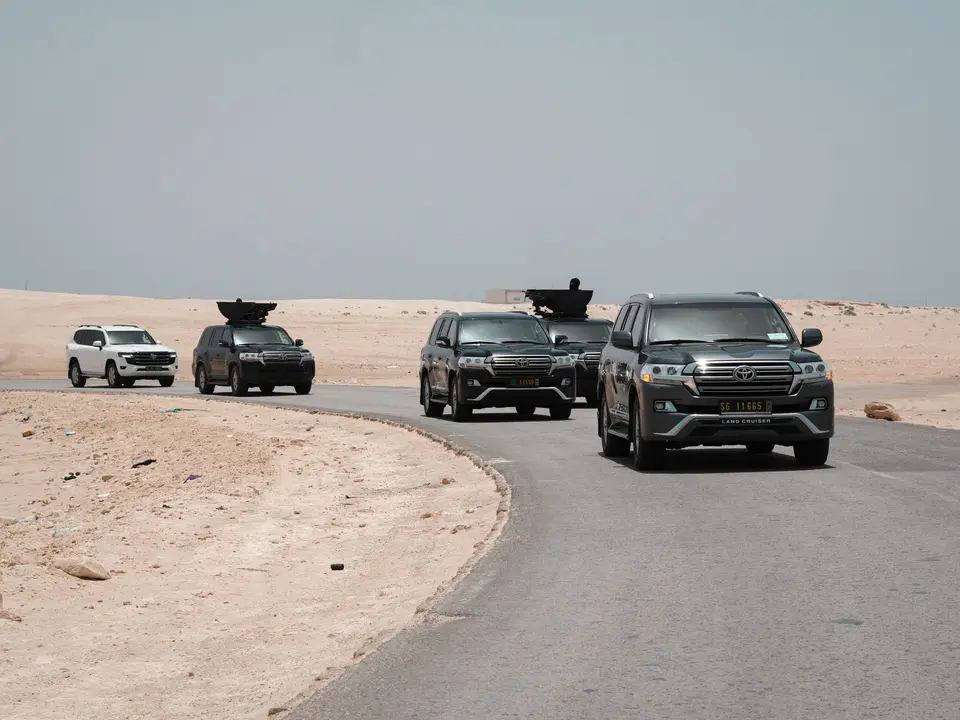
A series of attacks beginning July 6 supplied much of that week's toll. The Associated Press reported that 42 people, most of them police officers and soldiers, were killed in several attacks in Balochistan, while Pakistan's military said security operations killed at least 54 insurgents.
The deadliest attack in that cluster began at a police post in Ziarat district, where nine officers were killed and 18 others were abducted and later shot dead, AP reported. Pakistan's military also reported that 11 soldiers and four civilians were killed in separate attacks during the same period.
The public data cannot verify every incident
The PICSS public database says it tracks militant attacks, security force actions, casualties, kidnappings and arrests, but its free view shows only a rolling 30-day summary and withholds individual incident records. Readers therefore cannot reconstruct every July classification from the public dashboard.
The 241 percent increase describes a change in the combined death count, not a change in attack frequency and not a civilian-only toll. Because the figure includes deaths in both militant attacks and security operations, it does not identify a single cause for the rise.
Separate insurgencies overlap in Balochistan
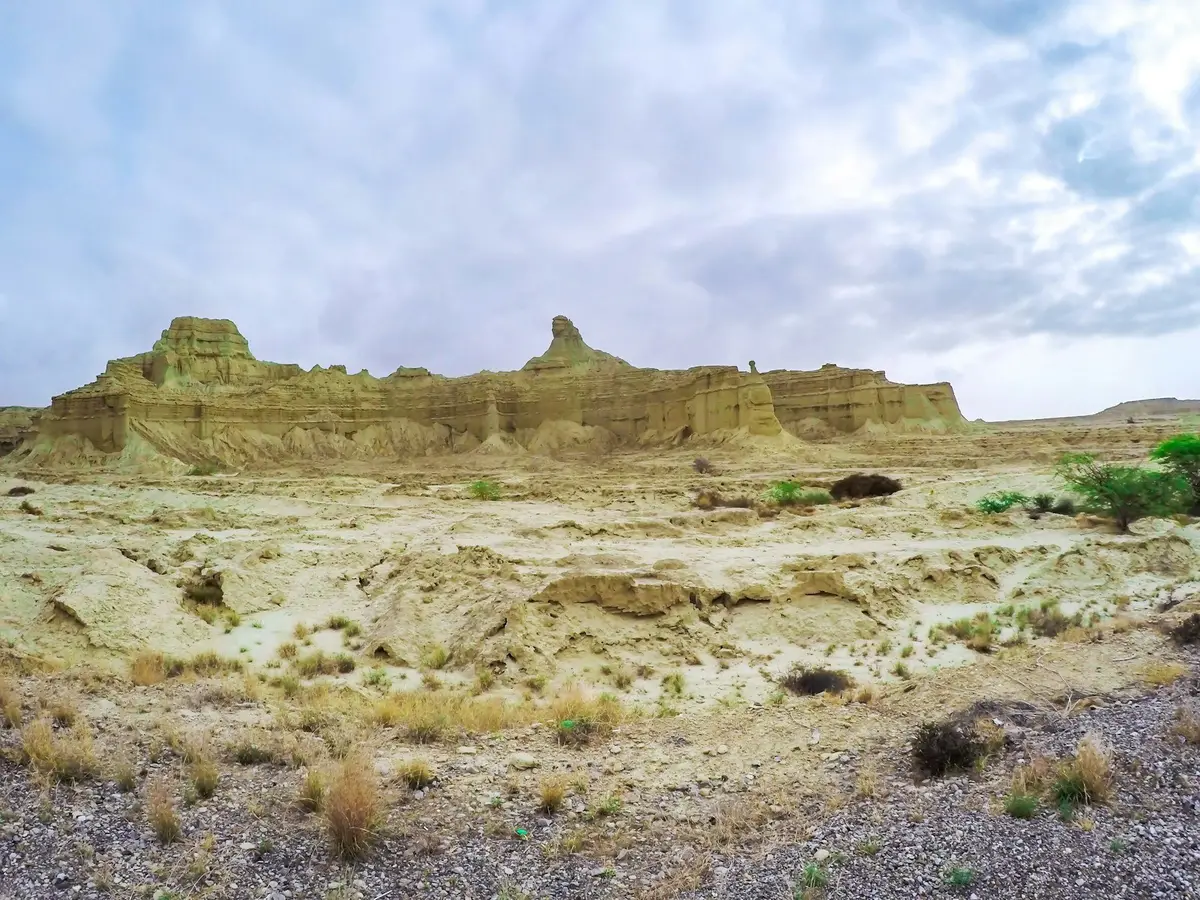
Balochistan is Pakistan's largest province by area and its least populous. The province has a long-running separatist insurgency led in part by the Baloch Liberation Army (BLA), while Tehrik-e-Taliban Pakistan (TTP), a separate group allied with the Afghan Taliban, also carries out attacks there.
Pakistan's government accuses India of backing Baloch militant groups and Afghanistan of sheltering the TTP. India and Afghanistan deny those allegations, and the sources reviewed for this report do not independently establish outside involvement in the July violence.
The available data establish a steep month-on-month rise in reported deaths, but they do not show how long it will last. Full incident-level records and later monthly figures would be needed to test the classifications and determine whether the higher toll persisted into August.
Sources and further reading
- July deadliest month of 2026 as 205 lives lost, 401 terrorists killed: PICSS(Dawn)
- Escalating Threats and Strategic Responses: PICSS Weekly Security Review (3–9 July 2026)(Pakistan Institute for Conflict and Security Studies)
- Pakistani leader vows to press militant crackdown after 42 killed in Balochistan attacks(Associated Press)
- PICSS Militancy Database public dashboard(Pakistan Institute for Conflict and Security Studies)