Houthi forces attacked Yemen's government-held port of Mokha twice on August 9 and claimed a drone strike on Saudi Aramco's Jazan refinery. The attacks followed an August 6 barrage against Saudi-backed forces and civilians, deepening the threat to Yemen's de facto truce.
Yemeni officials initially told The Associated Press that at least 30 government troops were killed and at least 50 were wounded in the camp attacks. The Houthis said the operation targeted a buildup of forces aligned with Yemen's internationally recognized government.
Casualty reports do not match
The initial figures came from Yemeni officials who spoke anonymously because they were not authorized to brief the media. Yemen's army acknowledged deaths and injuries but did not publish a number. Houthi military spokesperson Yahya Saree claimed that hundreds of opposing troops had been killed or wounded, without providing independently verifiable evidence.
A subsequent government-affiliated account was lower. The SABA news agency, which is affiliated with Yemen's internationally recognized government, reported at least 17 soldiers killed in attacks on the camps. The available reports do not resolve whether the figures cover different sites or reporting periods.
Civilians wounded across the Saudi border
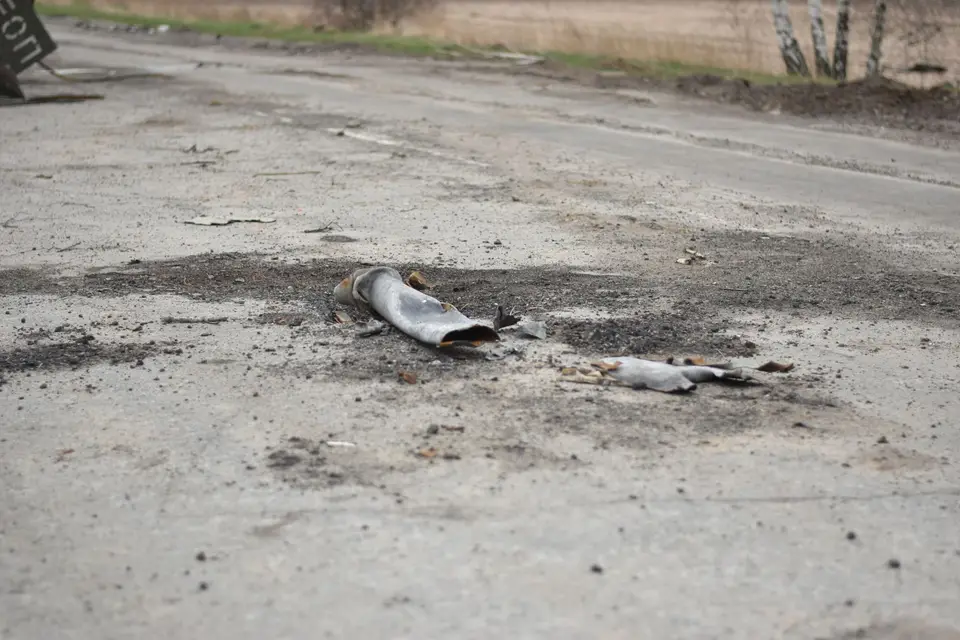
Saudi military spokesperson Turki al-Malki said the attack in Najran wounded seven Saudi nationals, one Yemeni, two Egyptians and one Pakistani national. The injured included a four-year-old child. The Houthis had not claimed the Najran attack when AP published its initial report.
The Saudi military accused the group of indiscriminate shelling against civilian sites. That description represents the Saudi account; publicly available reporting did not include an independent reconstruction identifying the weapon, launch site or intended target.
A de facto truce faces its sharpest test
The Houthis call themselves Ansar Allah. The Iran-backed movement seized Yemen's capital, Sanaa, and much of the country's north in 2014, and a Saudi-led coalition intervened in 2015 to support the internationally recognized government.
A United Nations-brokered truce that began in April 2022 formally expired that October, but its broad reduction in major fighting largely endured. The August attacks marked a major escalation from that period of relative calm rather than the collapse of a permanent peace agreement, which the parties never reached.
United Nations envoy Hans Grundberg said the escalation put the gains of the April 2022 truce at risk and warned of renewed large-scale conflict. His office was holding talks with Yemeni parties and regional governments to prevent further escalation.
Attacks reach Mokha and Jazan
Yemen's government-allied National Resistance Forces said the first August 9 strike on Mokha killed four troops and three civilians and wounded 15 civilians. The Associated Press reported a second missile and drone attack on the government-held port less than 24 hours later but did not give a casualty count for that strike.
The same report said Houthi military spokesperson Yahya Saree claimed a drone strike on Saudi Aramco's refinery in Jazan. The Saudi Energy Ministry reported a fire at the facility and no casualties but did not state the cause.
Red Sea campaign widens the stakes
The Houthis have linked the new attacks to their declared blockade of Saudi-linked shipping in the Red Sea and to restrictions imposed on Houthi-held parts of Yemen. Saudi Arabia disputes the group's account and has backed forces opposed to Houthi rule.
The Bab el-Mandeb Strait connects the Red Sea with the Gulf of Aden and forms part of the shipping route between Europe and Asia through the Suez Canal. AP reported that tanker traffic through the strait declined after the attacks, increasing the risk that renewed fighting inside Yemen could also disrupt commercial shipping.
What remains unclear
No independent body had published a site-by-site casualty count at the time of writing. It also remained unclear whether the attacks would develop into sustained ground combat or prompt renewed negotiations.
The distinction matters because the 2022 truce reduced large-scale hostilities without producing a final settlement. Continued missile and drone attacks could reverse that relative stability, but the available evidence did not establish that a nationwide offensive had begun.
Sources and further reading
- Saudi military says Houthi attacks left 11 civilians, including a child, injured near Yemen border(Associated Press)
- How the Iran-backed Houthis' claims of deadly attacks are stoking fears of a wider regional conflict(Associated Press)
- Israel rejects Trump's Gaza plan, more details emerge on the Strait of Hormuz and other Mideast news(Associated Press)
- A blocked Iranian flight to Yemen set off Houthis' latest spiral with Saudi Arabia(Associated Press)
- United Nations Yemen Common Country Analysis(United Nations Yemen)