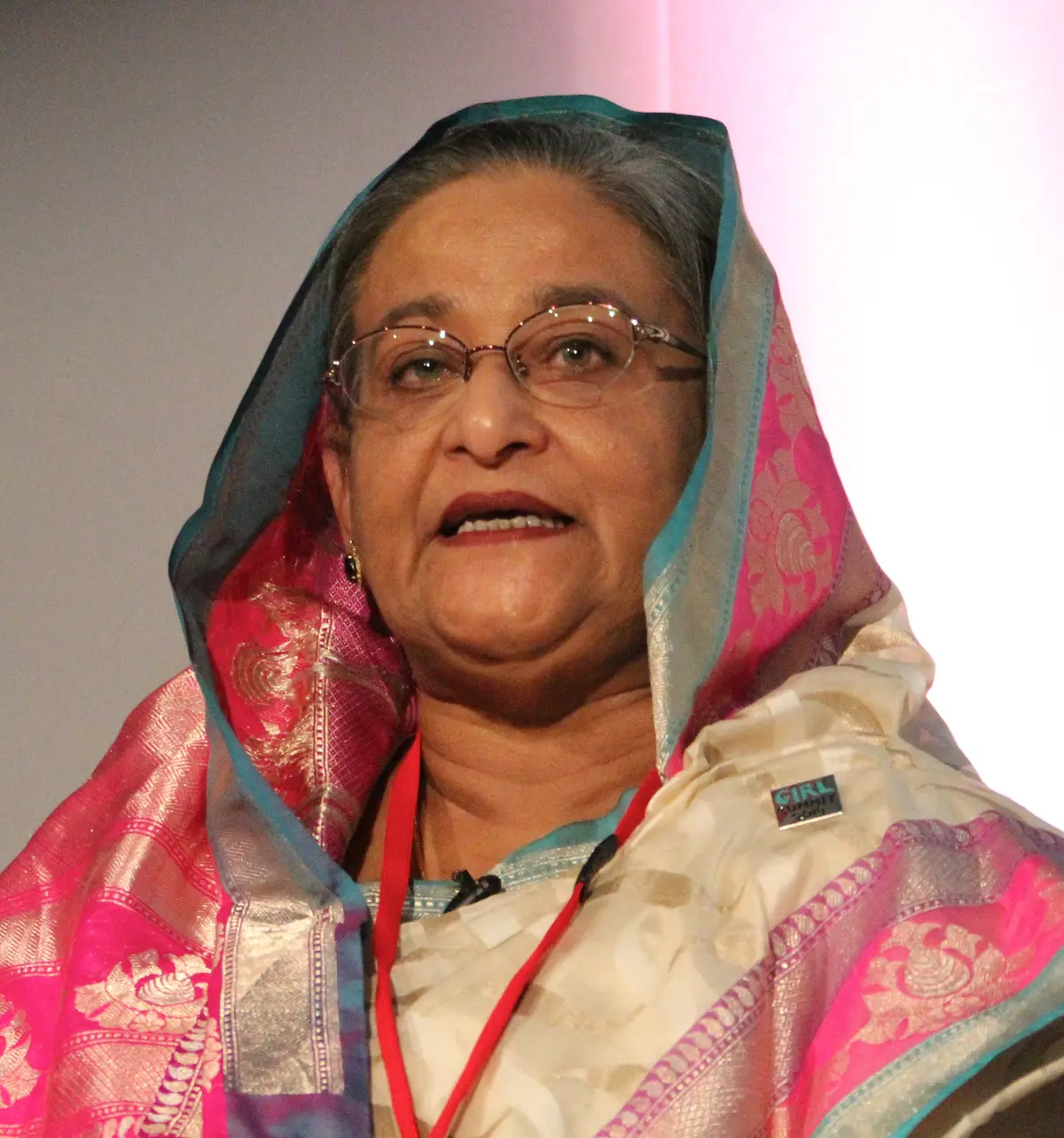
Former Bangladesh Prime Minister Sheikh Hasina told AFP on July 29 that she intended to return from India by December even though she could be arrested, imprisoned or killed. The 78-year-old said the decision was her own and that Indian authorities had not discussed extradition with her.
Hasina faces a death sentence in Bangladesh and remains at an undisclosed location in India. Bangladesh has formally requested her extradition, while India described the request as under examination and had not announced an outcome in the sources reviewed for this report.
A domestic tribunal convicted Hasina in absentia
Bangladesh's International Crimes Tribunal, a domestic court, convicted Hasina and former home minister Asaduzzaman Khan Kamal of crimes against humanity on November 17, 2025, after trying them in absentia. Both received death sentences. Former police chief Chowdhury Abdullah Al-Mamun, who was in custody and testified for the prosecution, received a five-year prison sentence.
Human Rights Watch said the prosecution did not meet international fair-trial standards. It cited the defendants' lack of a full opportunity to present a defense, question witnesses and select their own counsel, and said the death penalties compounded those concerns.
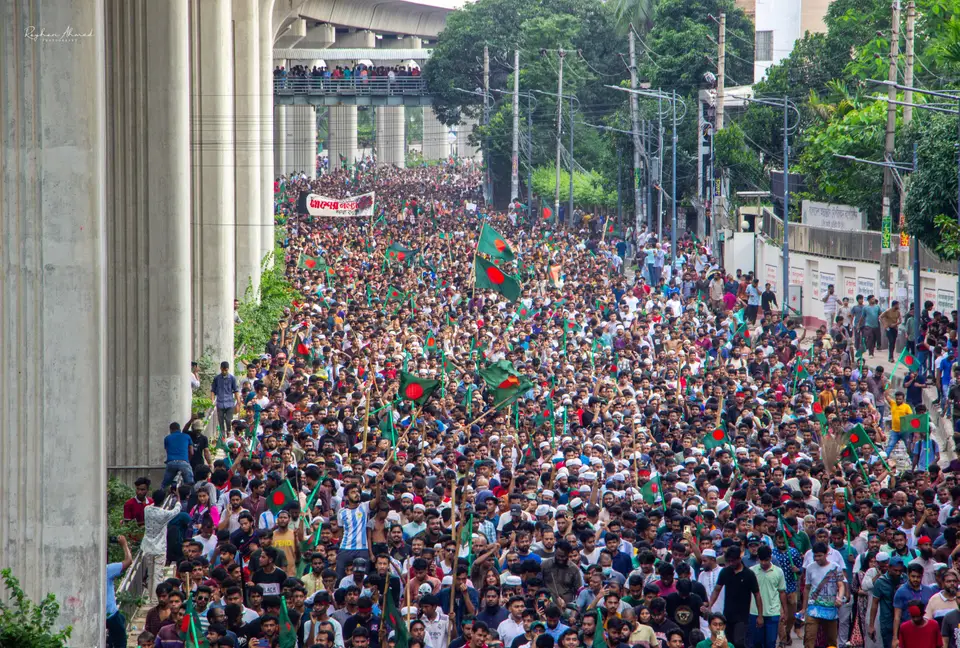
Hasina rejected the judgment as politically motivated and denied authorizing excessive force against the 2024 protests. She told AFP that her government had tried to steer the student movement toward a peaceful resolution and described the uprising as an organized effort to remove her government.
The conviction followed the deadly 2024 crackdown
Student-led protests toppled Hasina's government in August 2024 and ended her 15 consecutive years in power. She left Bangladesh by helicopter for India as demonstrators advanced on her official residence in Dhaka.
Human Rights Watch, citing a United Nations fact-finding report, said the protests and crackdown caused about 1,400 deaths, with security forces shooting most of those killed. The estimate describes the UN inquiry's findings rather than a final toll established by a court.
The charges in the tribunal case included inciting widespread and systematic attacks on protesters and ordering the use of drones, helicopters and lethal weapons. Hasina expressed sympathy for bereaved families in her AFP interview but did not apologize or identify a decision she regretted.
An extradition request remains unresolved after an election
Bangladesh's request places any return against two different processes: Hasina says she plans to go back voluntarily, while the governments of Bangladesh and India have not publicly completed the extradition route. AFP reported that Bangladesh said it would provide due process if she returned.
The Bangladesh Nationalist Party (BNP) won the February 12, 2026, election and held 210 of the 300 directly elected seats after two April by-election gains, according to the Inter-Parliamentary Union. President Mohammed Shahabuddin swore BNP leader Tarique Rahman in as prime minister on February 17, replacing the interim administration led by Muhammad Yunus.
Rahman's government therefore controls the executive branch that is seeking Hasina's return. Whether Hasina travels voluntarily, India acts on the extradition request or Bangladesh's courts revisit her case remained unresolved when she made the pledge.
Sources and further reading
- Bangladesh ex-premier Hasina vows to return despite fearing for life(Hürriyet Daily News / AFP)
- Bangladesh: Hasina Found Guilty of Crimes Against Humanity(Human Rights Watch)
- Bangladesh Parliament February 2026 Election(Inter-Parliamentary Union)