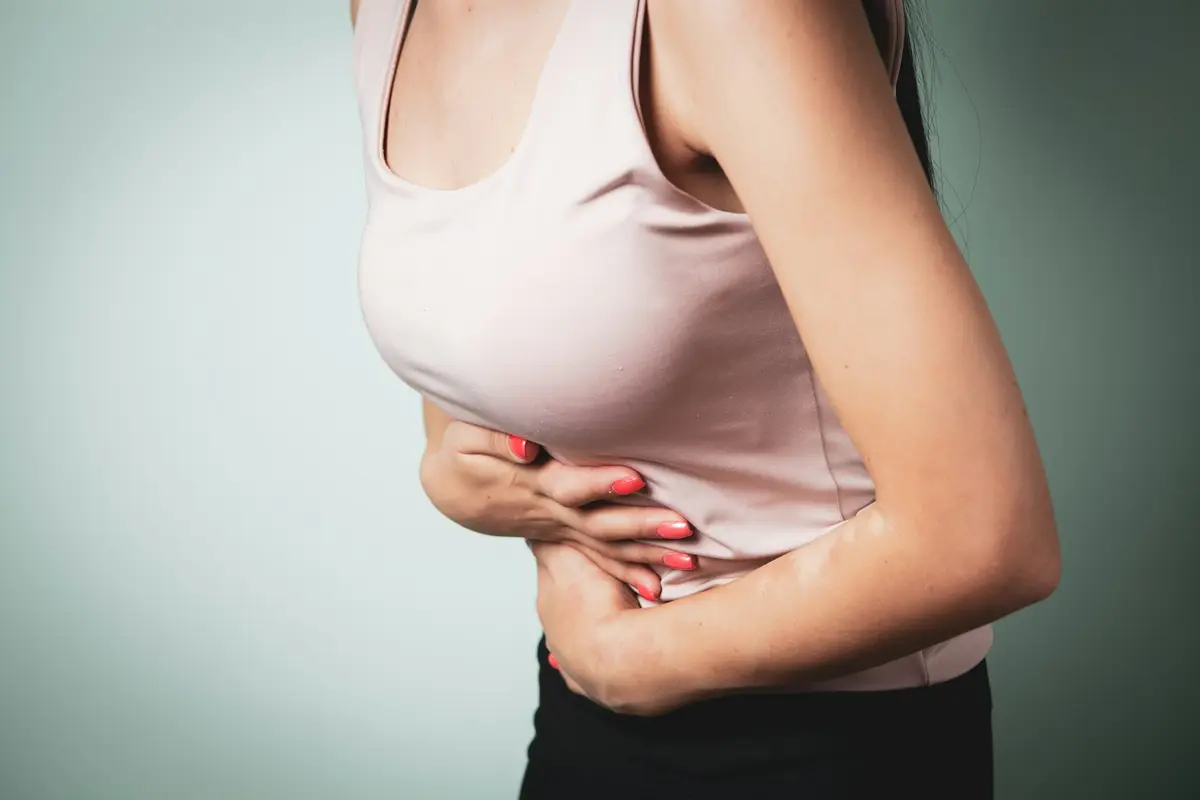
A 2026 systematic review found that heat therapy reduced pain in trials of primary dysmenorrhea, while a Cochrane review found low-quality evidence for regular exercise. These measures can ease symptoms, but they cannot establish why pelvic pain is occurring or rule out a condition that needs treatment.
The World Health Organization (WHO) said in June 2026 that more than two in three women and girls experience pain with menstrual bleeding, while very painful, heavy or disruptive menstruation can indicate an underlying health condition. The distinction matters because evidence for home measures generally concerns primary dysmenorrhea, or menstrual pain without an identified pelvic condition.
Severe pelvic pain, fainting or heavy bleeding needs urgent care
Seek emergency assessment for pelvic pain that is severe or worsening, pain with fainting or marked dizziness, difficulty breathing, heavy vaginal bleeding, shoulder-tip pain or sudden confusion. England’s National Health Service (NHS) lists those combinations as reasons for emergency care and advises urgent help when pelvic pain occurs with fever, unusual vaginal discharge or bleeding, urinary or bowel difficulty, vomiting, or possible pregnancy.
The NHS also advises urgent assessment when pelvic or period pain is severe or worse than usual and pain medicine has not helped. Arrange a clinical review when periods become more painful, heavier or irregular; pain disrupts usual activities; bleeding occurs between periods; or pain occurs during sex, urination or bowel movements.

Heat can reduce pain, but trials do not define one home routine
A systematic review published in 2026 included 57 randomized trials with 5,359 participants and found that heat therapy reduced pain from primary dysmenorrhea compared with no treatment. The review assessed both treatment during painful episodes and repeated use over several menstrual cycles.
The result does not establish one temperature, device or session length for everyone. The trials used different heat methods and schedules, and the review’s comparisons with pain medicines do not make a heating device a substitute for assessment when symptoms are severe, changing or persistent.
England’s NHS lists a warm bath or shower and a heat pad or hot-water bottle wrapped in cloth among measures that may ease period pain. The cited sources do not establish one temperature or duration for all heating devices.
Regular exercise may help, though certainty remains low
A 2019 Cochrane review included 12 trials with 854 participants and found that regular low- or high-intensity exercise may reduce pain from primary dysmenorrhea compared with no exercise. The programs included stretching, yoga, aerobic activity and core strengthening, and most involved activity throughout the month rather than a single session after pain began.
Cochrane rated the evidence low to very low quality because studies were small, inconsistent and difficult to blind. Safety reporting was also poor, and the review could not determine whether exercise worked better or worse than anti-inflammatory pain medicines.
Gentle activity such as walking, swimming or yoga is an option when it feels manageable; rest is reasonable when movement worsens symptoms. Exercise should not delay assessment of new warning signs or pain that repeatedly interrupts school, work or normal daily activity.

Changing pain patterns can point beyond primary dysmenorrhea
The United Kingdom’s Royal College of Obstetricians and Gynaecologists lists very painful periods, pelvic pain, pain during or after sex, and pain or bleeding with urination or bowel movements among possible symptoms of endometriosis. These symptoms can overlap with other conditions, and a normal scan does not by itself rule out endometriosis.
Healthdirect Australia advises clinical review when period pain stops a person from attending school or work or carrying out normal activities. Recording the timing, duration, bleeding pattern and accompanying symptoms across several cycles can give a clinician a clearer history.
Home care may change the level of pain without identifying its cause. Pain that begins outside menstrual bleeding, grows worse over time, lasts after a period or no longer responds as it usually does warrants assessment rather than repeated self-treatment alone.
Adolescents, pregnancy and chronic illness require separate decisions
Children and adolescents
Period pain occurs only after menstruation has begun. WHO says children should receive age-appropriate menstrual health information before their first period and that pain, heavy bleeding or absent or infrequent periods are valid reasons to seek healthcare.
Adolescents who have started menstruating can consider wrapped heat or manageable exercise, but pain that keeps them out of school or normal activities needs clinical review. The adult evidence should not be used to label lower abdominal pain before a first period as menstrual pain.
Pregnancy or possible pregnancy
Lower abdominal or pelvic pain during pregnancy should not be treated as routine period pain. England’s NHS advises urgent clinical help for pelvic pain in anyone who is pregnant or may be pregnant, with emergency care for severe or worsening pain, fainting, shoulder-tip pain, breathing difficulty or heavy bleeding.
Reduced sensation, chronic illness and regular medicines
APPI News could not verify a single heat protocol for people with reduced skin sensation, diabetes, circulation problems or other chronic conditions from the cited systematic reviews. People in these groups should ask a clinician whether a heating device is suitable instead of applying the general study findings to themselves.
This guide does not name a pain medicine or dose. A clinician or pharmacist should account for pregnancy, chronic conditions, allergies and possible interactions with regular medicines before a drug is started or changed; availability and regulatory status vary by country.
Frequently asked questions
Does heat cure period pain?
No. Heat can reduce pain from primary dysmenorrhea, but symptom relief does not identify the cause or rule out another pelvic condition.
How hot should a heating pad be?
The reviewed evidence does not establish one temperature for every device and user. England’s NHS advises wrapping a heating pad or hot-water bottle in cloth rather than placing it directly against the abdomen.
Does exercise need to happen during a painful period?
No. The Cochrane trials generally studied exercise performed regularly through the month, and some programs did not require exercise during menstruation. Gentle movement during pain is optional and should remain within tolerable limits.
When should recurring period pain be assessed?
Seek a clinical review when pain becomes worse, lasts beyond bleeding, disrupts normal activities, occurs during sex or toileting, or comes with heavier, irregular or between-period bleeding.
Can pelvic pain during pregnancy be treated like period cramps?
No. Pregnancy or possible pregnancy changes the assessment. Pelvic pain during pregnancy requires prompt clinical advice, and severe pain, fainting, shoulder-tip pain or heavy bleeding requires emergency care.
Sources and further reading
- Menstrual health(World Health Organization)
- Heat therapy for primary dysmenorrhea: a systematic review and meta-analysis(Frontiers in Medicine via PubMed Central)
- Exercise for dysmenorrhoea(Cochrane)
- Period pain(National Health Service in England)
- Pelvic pain(National Health Service in England)
- Managing period pain(Healthdirect Australia)
- Endometriosis(Royal College of Obstetricians and Gynaecologists)