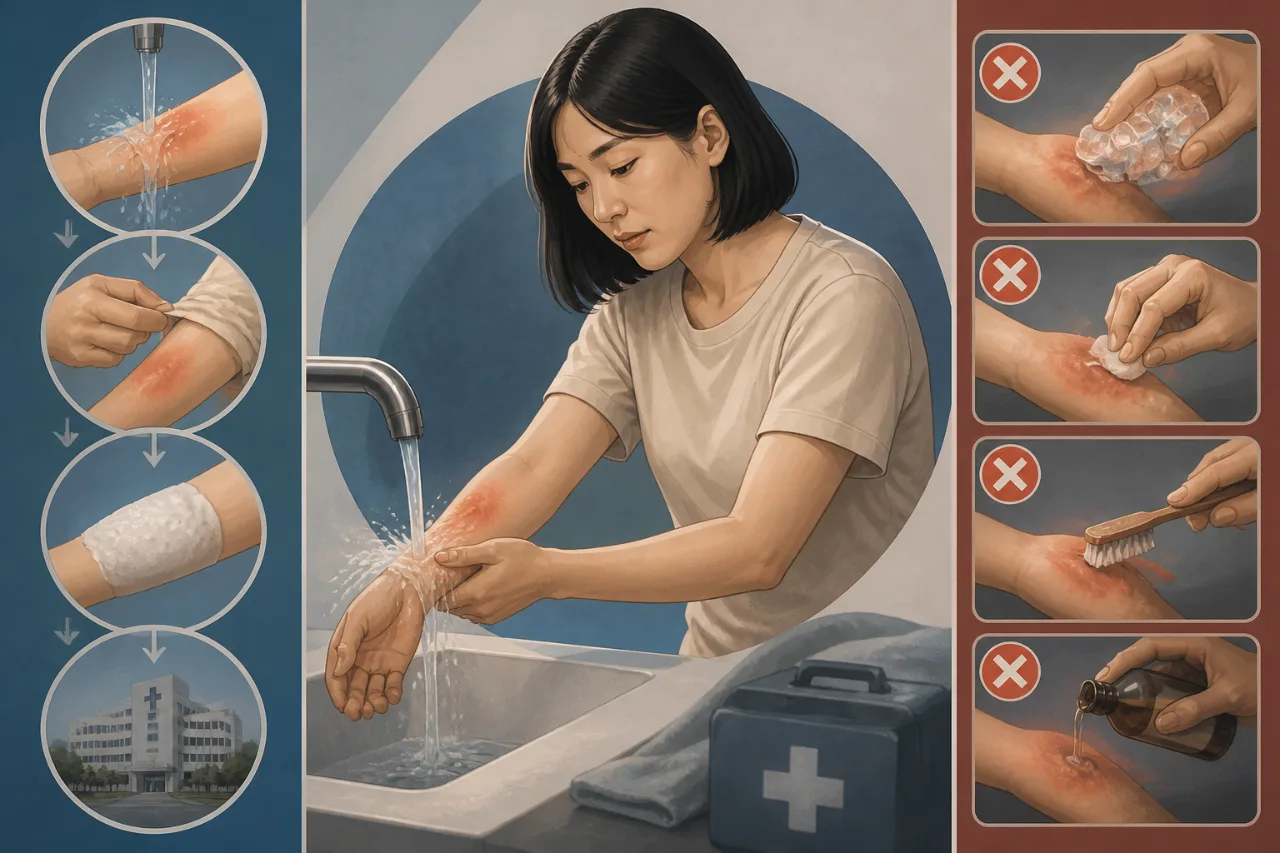
The American Academy of Dermatology (AAD), a US professional association, says the first action after noticing sunburn is to get out of the sun, preferably indoors, before using frequent cool baths or showers. Its May 2024 guidance also advises applying moisturizer while the skin is damp and drinking extra water. These measures address discomfort; warning signs require a different response.
The American Academy of Pediatrics (AAP), a US professional association, says sunburn signs in children often appear six to 12 hours after exposure and discomfort is greatest during the first 24 hours. That delay means an immediate look may not capture the symptoms that develop later. Blisters or symptoms affecting the whole body change the level of care.
Heatstroke signs require emergency help; severe burns need urgent assessment
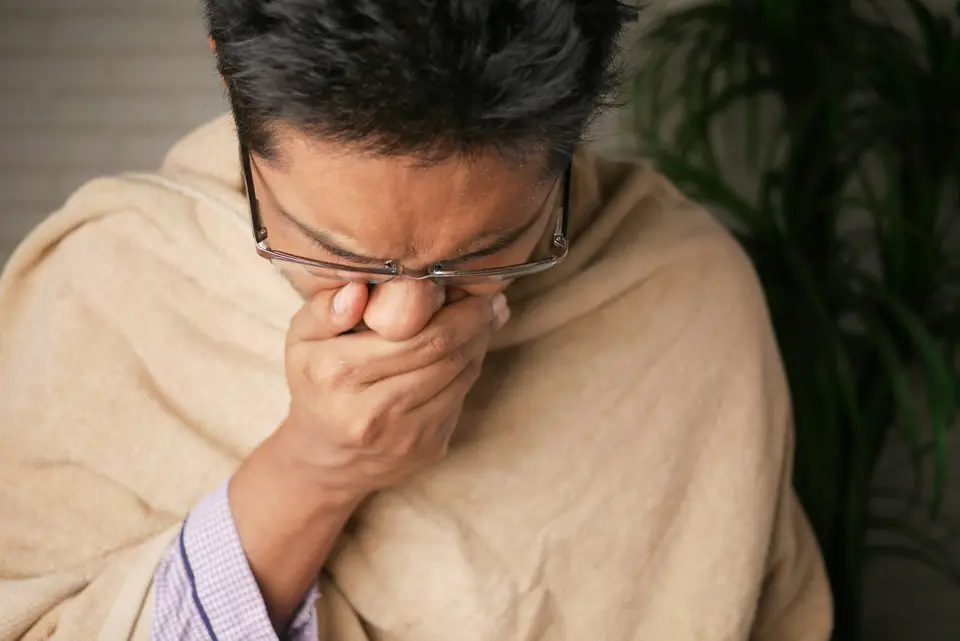
The World Health Organization (WHO) describes heatstroke as a potentially fatal medical emergency and directs people to call emergency services immediately when heat exposure is followed by signs such as delirium or loss of consciousness. Move the person to shade or an air-conditioned place and apply cold, wet cloths while waiting for help, following the local dispatcher's instructions.
England's National Health Service (NHS) lists blistered or swollen skin, a very high temperature, feeling hot, cold or shivery, marked tiredness, dizziness, nausea, headache, muscle cramps, or sunburn in a baby or young child as reasons for urgent clinical advice. These are not situations for continued home care alone; use the local urgent-care route.
The AAP tells caregivers to call a pediatrician when a child's sunburn causes blisters, fever, chills, headache or a general feeling of illness, and says extensive severe burns can require hospital care. Its April 2026 infant guidance classifies severe sunburn in a baby as a medical emergency that needs immediate care.
Cool the skin and replace fluids in the first 24 hours
Move fully out of direct sunlight and keep the affected skin covered from the sun until it has healed. England's NHS recommends a cool shower, bath or damp towel, with care not to let a baby or young child become too cold. Water should be cool rather than icy, and cooling can be repeated for comfort without chilling the person.
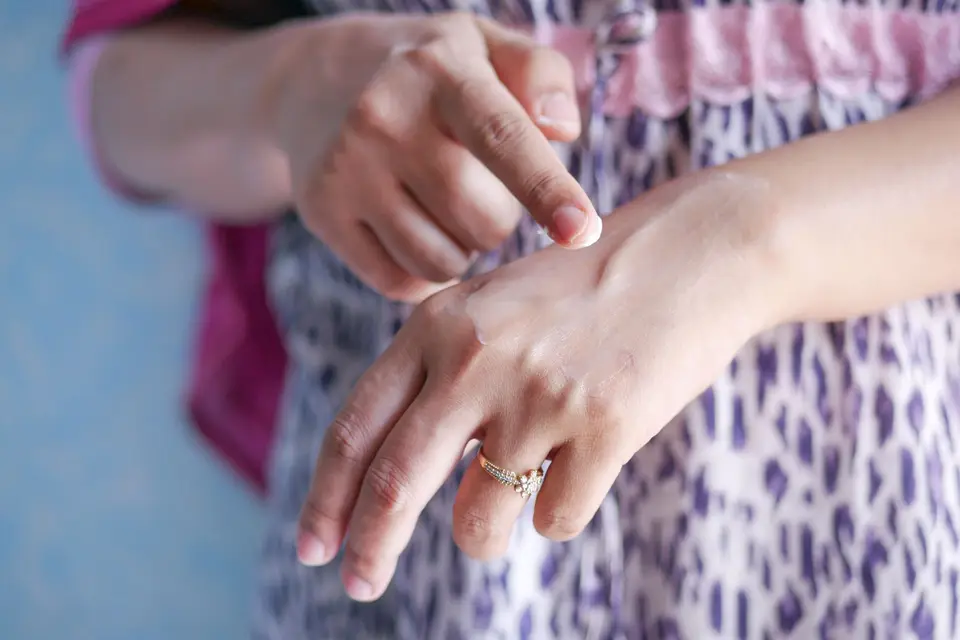
The AAD advises gently patting the skin after a cool bath or shower and applying an aloe vera or soy moisturizer while the skin remains damp. England's NHS lists an unperfumed moisturizer as another option for easing symptoms.
The AAD advises extra water because sunburn draws fluid toward the skin's surface and can contribute to dehydration. England's NHS also advises avoiding alcohol while replacing fluids. England's NHS Specialist Pharmacy Service says people should remain hydrated unless a fluid restriction has been prescribed.
England's NHS includes painkillers among options for pain and directs people to follow the product instructions. This guide does not set a dose or select a medicine. A pharmacist or clinician should check pain relief for a child, during pregnancy, or when chronic illness or regular medicines could affect the choice; availability and regulatory status vary by country.
Do not use ice or open blisters
England's NHS advises against putting ice or ice packs on sunburned skin, popping blisters, scratching peeling skin or wearing tight clothing over the burn. Cool water or a damp towel is the skin-cooling option in that guidance.
The AAD says blisters should be left to heal because they protect damaged skin from infection, and it advises keeping them clean. Deliberately opening a blister removes that protection.
Public guidance is not identical on petroleum jelly. England's NHS says not to use petroleum jelly on sunburned skin, while the AAD's May 2024 page says petroleum jelly can protect blistered skin while it heals. This guide does not extend the AAD's blister-care instruction to hot, intact sunburned skin; a clinician or pharmacist can advise when blister care is unclear.
The AAD's June 2023 public advice says not to treat sunburn with “-caine” products, such as benzocaine, because they may irritate the skin or cause an allergic reaction. That ingredient warning is separate from the unperfumed moisturizer included in England's NHS guidance.

Children, pregnancy and regular medicines need separate decisions
Babies and children
The AAP's home-care advice is limited to a child's skin that is red, warm and painful, and it includes cool compresses or a cool bath. Its threshold changes when blisters, fever, chills, headache, fainting or general illness develops. A severe sunburn in a baby needs immediate medical care, while England's NHS advises urgent clinical contact for any sunburn in a baby or young child.
Pregnancy
APPI News could not find a dedicated sunburn treatment guideline for pregnancy in the cited sources at the time of writing. England's NHS says any medicine during pregnancy, including a painkiller, should be checked with a doctor, midwife or pharmacist, and a prescribed medicine should not be stopped without first consulting the prescriber. Cooling the skin does not establish that a medicine is suitable during pregnancy.
Chronic illness and regular medicines
APPI News could not find separate acute sunburn steps for diabetes, other chronic illnesses or regular medicine use in the cited sources. England's NHS Specialist Pharmacy Service said on July 8, 2026, that some medicines can increase photosensitivity or affect the body's response to heat, while prescribed medicines should not routinely be stopped during hot weather. A clinician or pharmacist should review any added pain relief or proposed medicine change against the person's conditions and current medicine list.

Recheck symptoms as the first day unfolds
The AAP's six-to-12-hour onset and first-24-hour peak refer to children, but they show why a burn should not be judged only at the moment sun exposure ends. New blisters, worsening swelling or whole-body symptoms call for the urgent-care thresholds above.
England's NHS says sunburn usually improves within seven days and advises protecting the skin from direct sun until it has fully healed. Urgent symptoms at any point take priority over that expected timeline.
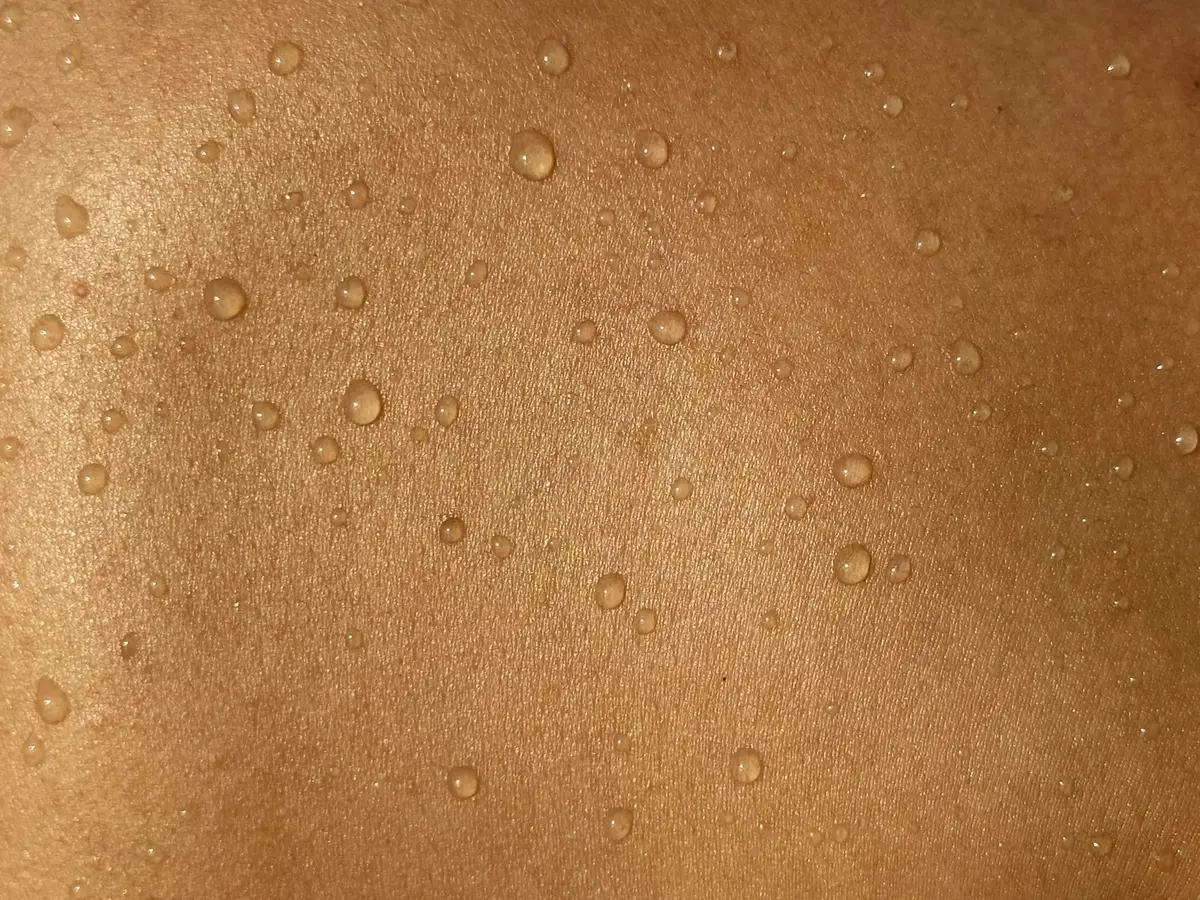
The same NHS guidance notes that redness or pinkness may be less visible on black or brown skin. Heat, soreness, swelling, blisters and whole-body symptoms matter alongside color when deciding whether the burn needs assessment.
Frequently asked questions
What is the first step after noticing sunburn?
Leave direct sunlight and move indoors or into full shade. Cool the skin with a cool shower, bath or damp towel.
Should ice be put on sunburned skin?
No. England's NHS advises cool water or a damp towel and says not to put ice or ice packs directly on sunburned skin.
Can a sunburn blister be opened?
No. The AAD says blisters protect the damaged skin while it heals, so they should be left intact and kept clean.
What if symptoms appear hours after leaving the sun?
The AAP says signs in children often appear six to 12 hours after exposure and discomfort is greatest in the first 24 hours. Blisters, fever, chills, headache, fainting or general illness require prompt medical contact.
Can a painkiller be added?
This guide does not select a medicine or dose. A pharmacist or clinician should check age, pregnancy, chronic illness and regular medicines before an option is added.
Sources and further reading
- How to treat sunburn(American Academy of Dermatology)
- American Academy of Dermatology urges Americans to use sun protection ahead of July 4th weekend(American Academy of Dermatology)
- Sunburn(National Health Service in England)
- Sunburn: Treatment & Prevention(American Academy of Pediatrics)
- Baby Sunburn Prevention Tips(American Academy of Pediatrics)
- Heatwaves: How to stay cool(World Health Organization)
- Medicines in pregnancy(National Health Service in England)
- Heatwaves and medicines: assessing and managing patient risk(NHS Specialist Pharmacy Service in England)