#Women’s health

16 articles

HPV vaccination does not replace routine cervical screening

A World Health Organization fact sheet updated in July 2026 says regular cervical screening remains necessary after human papillomavirus vaccination because vaccines do not prevent every cancer-causing infection. HPV tests detect high-risk virus types, while Pap cytology looks for abnormal cervical cells, and national programs set their own schedules.

APPI News Editorial 7 min

Oligohydramnios requires more than one ultrasound measurement

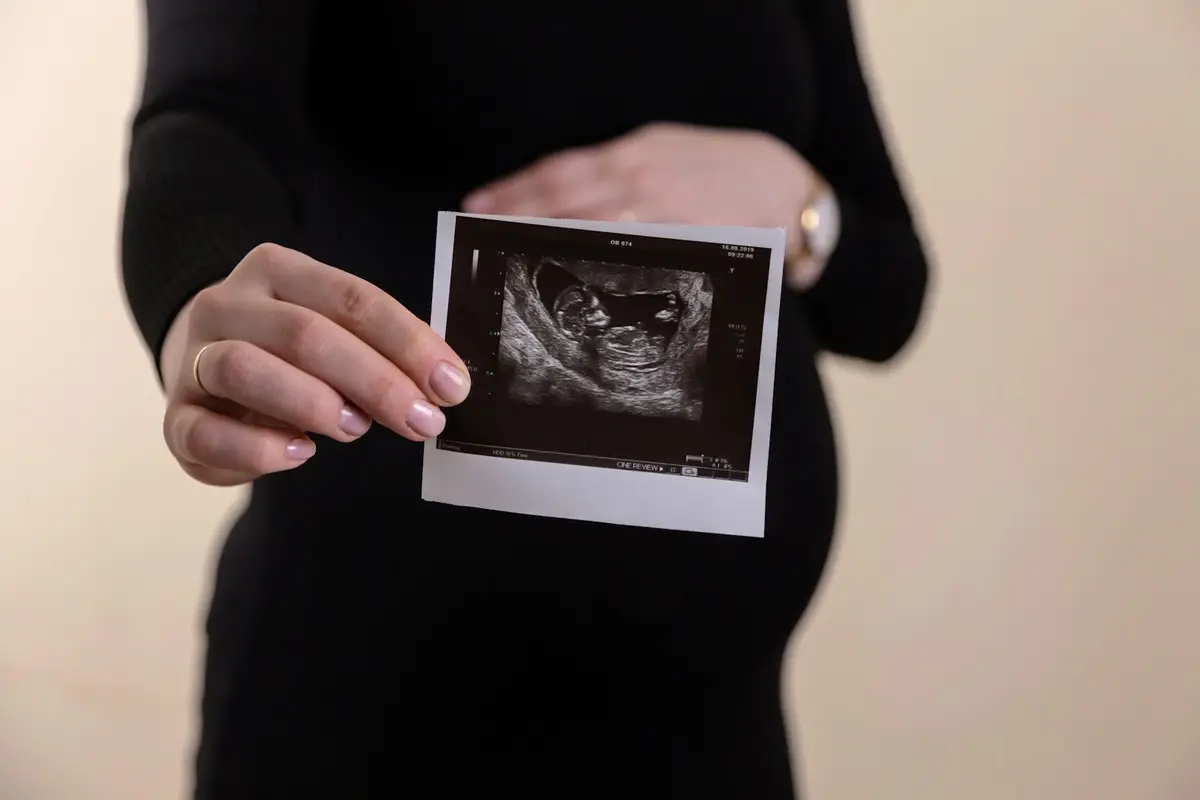
Obstetric teams identify oligohydramnios with ultrasound, commonly using an amniotic fluid index below 5–6 cm or a deepest vertical pocket below 2 cm. The result must be interpreted with gestational age, possible membrane rupture, fetal anatomy and growth, while signs such as fluid leakage, bleeding, fever or changed fetal movement require prompt assessment.

APPI News Editorial 5 min

Japanese trial finds fewer advanced cancers with added ultrasound

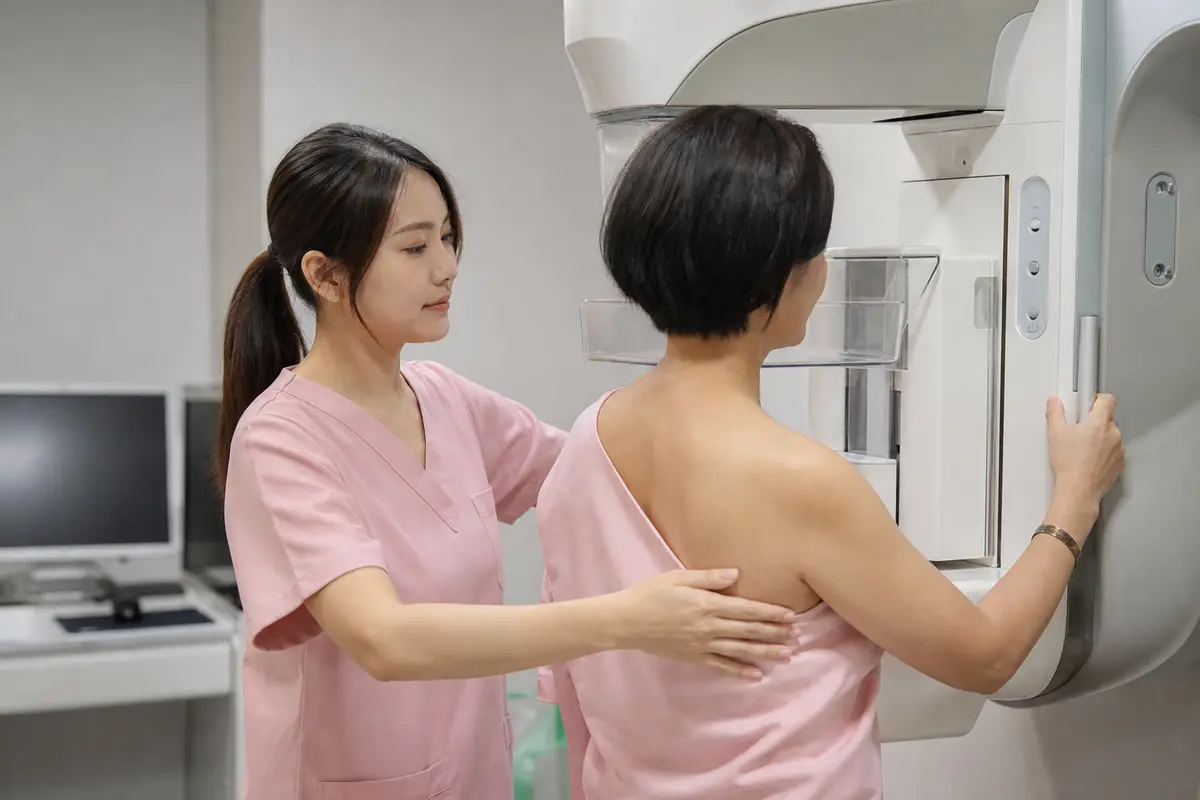
A Japanese trial published in February 2026 found fewer stage II or higher breast cancers after two rounds of mammography plus ultrasound than after mammography alone among women ages 40 to 49. The study did not test breast cancer mortality or establish a routine ultrasound schedule for other ages, risk groups or countries.

APPI News Editorial 8 min

Swedish trial finds mammography AI matches double reading

Researchers reported in The Lancet on January 31, 2026 that AI-supported mammography was noninferior to double reading for interval cancer among 105,915 participants. The tested workflow triaged examinations to one or two radiologists and reduced screen readings by 44.2 percent.

APPI News Editorial 4 min

Swallowing, diapers and weight show whether a newborn gets enough milk

Updated United Kingdom health guidance directs parents to swallowing, diaper output and weight gain when assessing whether a breastfed newborn is getting enough milk. A single pumping session records what the pump removed, while the baby's condition and feeding pattern determine whether clinical assessment is needed.

APPI News Editorial 8 min

Low blood sugar calls for glucose only when swallowing is safe

The IFRC's 2025 first-aid guidelines recommend 15 to 20 grams of glucose for suspected hypoglycemia only when the person is responsive and can swallow. Anyone with impaired responsiveness, a seizure or unsafe swallowing needs emergency help and should receive nothing by mouth.

APPI News Editorial 6 min

After vomiting, small sips should come before a return to food

People who have stopped vomiting can begin with small sips and increase fluids gradually rather than avoiding all drinks for a fixed number of hours. Food can follow when nausea eases, while dehydration, blood or green vomit, severe pain and confusion require prompt medical care.

APPI News Editorial 5 min

World Breastfeeding Week puts proven support policies to the test

The World Health Organization used World Breastfeeding Week, held August 1-7, 2026, to press governments, health systems and employers to expand measures already linked to better breastfeeding outcomes. The agenda spans clinical counseling, paid leave and workplace support, while access and legal protections still differ sharply by country.

APPI News Editorial 4 min