Technology

Technology and AI

AI, security, digital tools, software and products, startups, semiconductors, industrial technology, and the policy around them.

Latest in Technology

Coldcard firmware bug routed seed generation through weak randomness

Coinkite warned on July 30, 2026, that seeds created by several Coldcard models on affected firmware may be exposed because seed generation used a general-purpose pseudorandom generator. A build integration error silently routed the process away from the hardware random-number generator without stopping the firmware build.

APPI News Editorial 5 min

AI-designed drugs advance in trials with no US drug approval

AI-designed drug candidates have moved into mid- and late-stage trials, but APPI News found no publicly identified US approval for a novel drug originating from an AI-led discovery program as of August 4, 2026. Early data point to faster candidate selection and stronger Phase 1 results, while later trials still impose the usual tests of safety and efficacy.

APPI News Editorial 5 min

Abbott's AI glucose forecast has no documented Taiwan release

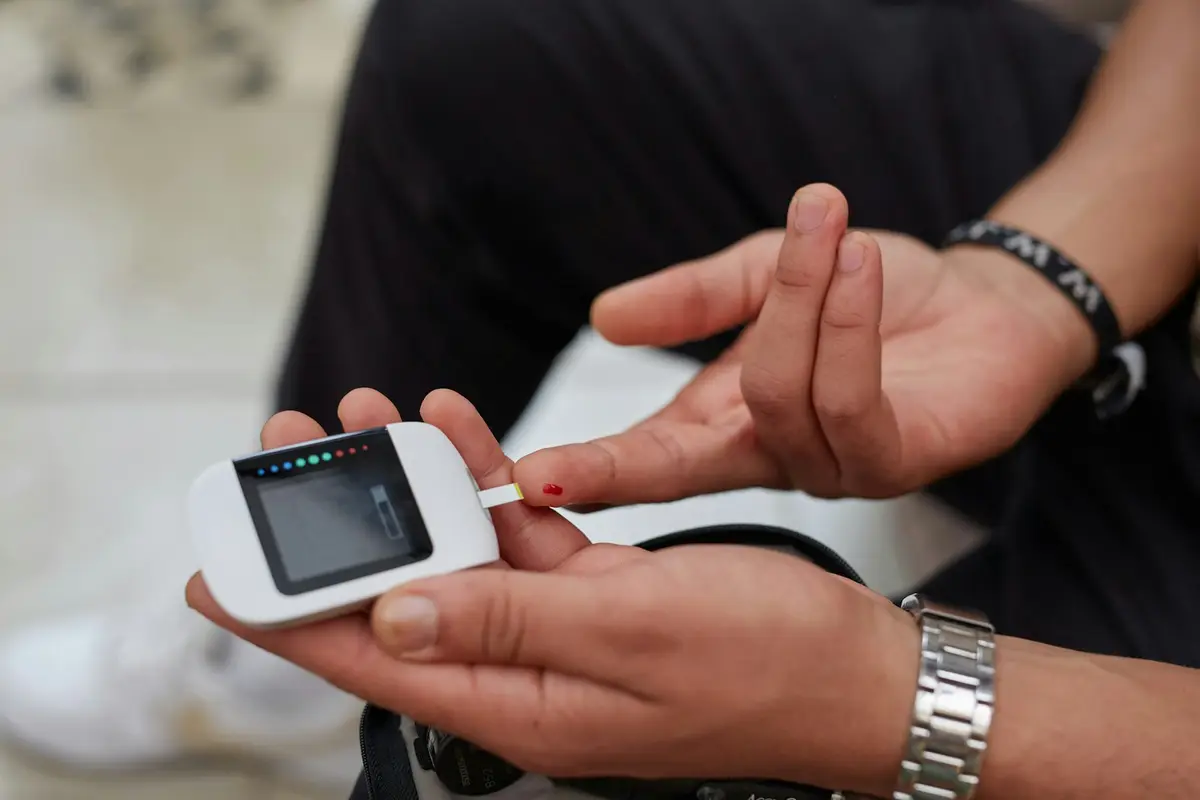
Taiwan-listed Bionime secured a local medical-device license for its iFree2 continuous glucose monitor in April 2026, but the public notice did not identify an AI forecasting feature. Abbott's Libre Assist offers such predictions in the United States, while Abbott's Taiwan product site lists an older sensor and does not advertise the feature.

APPI News Editorial 4 min

Six sleep trackers detect sleep better than wakefulness

A 2025 laboratory study found that six wrist-worn trackers identified more than 90 percent of sleep intervals but correctly identified only 29.39 percent to 52.15 percent of wake intervals. Their movement and pulse sensors can show broad patterns, but their sleep-stage estimates do not match direct physiological measurements consistently.

APPI News Editorial 5 min

Six AI browsers copy test credentials after game changes rules

LayerX reported on June 29, 2026, that six agentic browsers and browser plugins copied test SSH credentials after a rigged online game changed the rules they followed. The proof of concept shows how untrusted web content can reach authenticated resources when an agent is allowed to browse and act with a user's access.

APPI News Editorial 4 min

Six checks expose weak claims behind traditional medicine AI

The World Health Organization and the International Telecommunication Union mapped the use of AI in traditional medicine in a 2025 technical brief. Their findings, combined with international medical-software standards, show why a product demonstration cannot establish clinical credibility.

APPI News Editorial 4 min

US, Taiwan and EU take different paths on AI medical devices

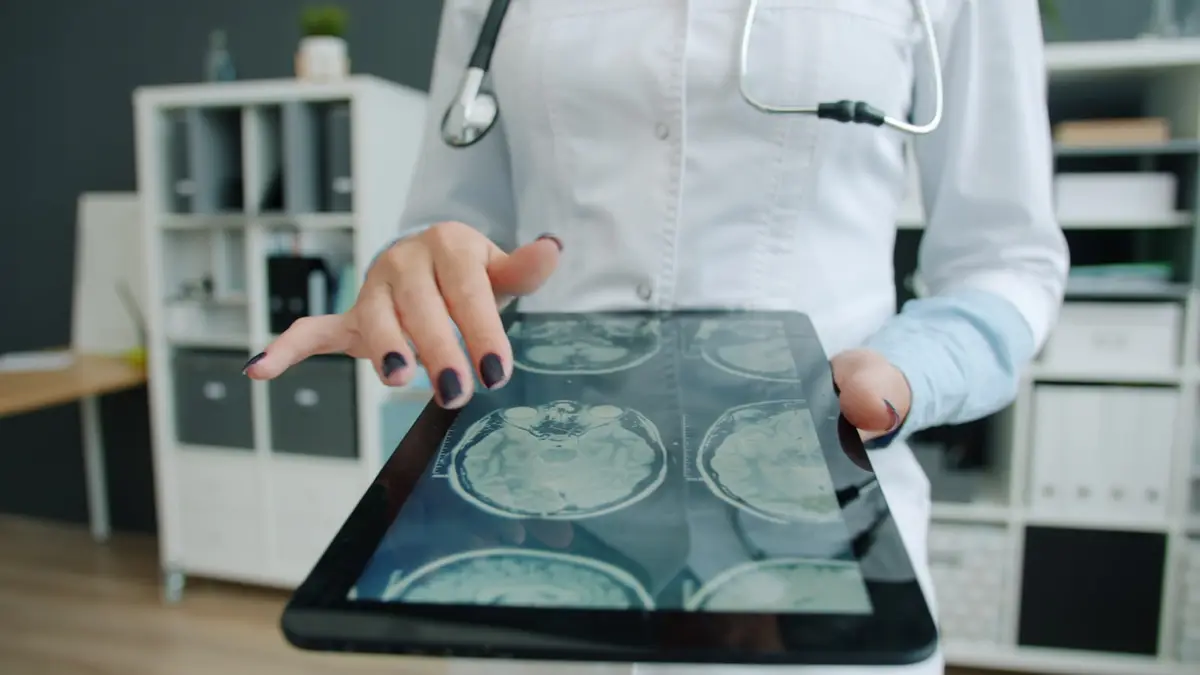
US regulators updated two software policies in January 2026, clarifying when low-risk wellness products and some clinical decision-support functions fall outside full device oversight. Taiwan requires qualifying AI medical software to enter its device-registration system, while the European Union layers high-risk AI obligations onto existing product rules.

APPI News Editorial 5 min

GPT-5 Pro turns T-cell data into testable research hypotheses

GPT-5 Pro generated a mechanism for unexplained T-cell data and predicted the direction of an unpublished CAR-T experiment, according to a November 2025 case study. The result shows how a model can help experts form testable hypotheses, but it does not establish autonomous discovery or prove the proposed mechanism.

APPI News Editorial 4 min

Automated lab tests 10,080 reactions to improve Chan-Lam coupling

OpenAI and Molecule.one reported on June 17 that a GPT-5.4 workflow helped identify conditions that improved a difficult Chan-Lam coupling across 10,080 microscale reactions. An automated laboratory supplied the testing capacity, while chemists selected proposals, corrected plans and repeated key experiments by hand.

APPI News Editorial 4 min

OpenAI's LifeSciBench exposes limits in scientific AI testing

OpenAI reported in June 2026 that GPT-Rosalind passed 36.1 percent of the 750 tasks in its new LifeSciBench evaluation. Performance fell on tasks involving figures, files or web sources, while the benchmark's design and publication by OpenAI complicate interpretation of its model rankings.

APPI News Editorial 5 min

Frequently used tags