AI

19 articles

OpenAI cuts Luna and Terra prices in widening AI cost race

OpenAI cut standard API prices for GPT-5.6 Luna by 80 percent and Terra by 20 percent on July 30, 2026, while leaving Sol unchanged. The company credited lower serving costs and better token-generation efficiency; Chinese vendors are also expanding lower-cost and open-weight alternatives.

APPI News Editorial 5 min

AI scribes reduce paperwork as liability rules stay fragmented

VA Providence began rolling out an ambient AI scribe in primary care on March 24, 2026, with participation optional for veterans. The software turns clinical conversations into draft notes, leaving accuracy, consent and liability subject to rules that vary by country.

APPI News Editorial 5 min

AI accelerator buyers need workload tests before choosing chips

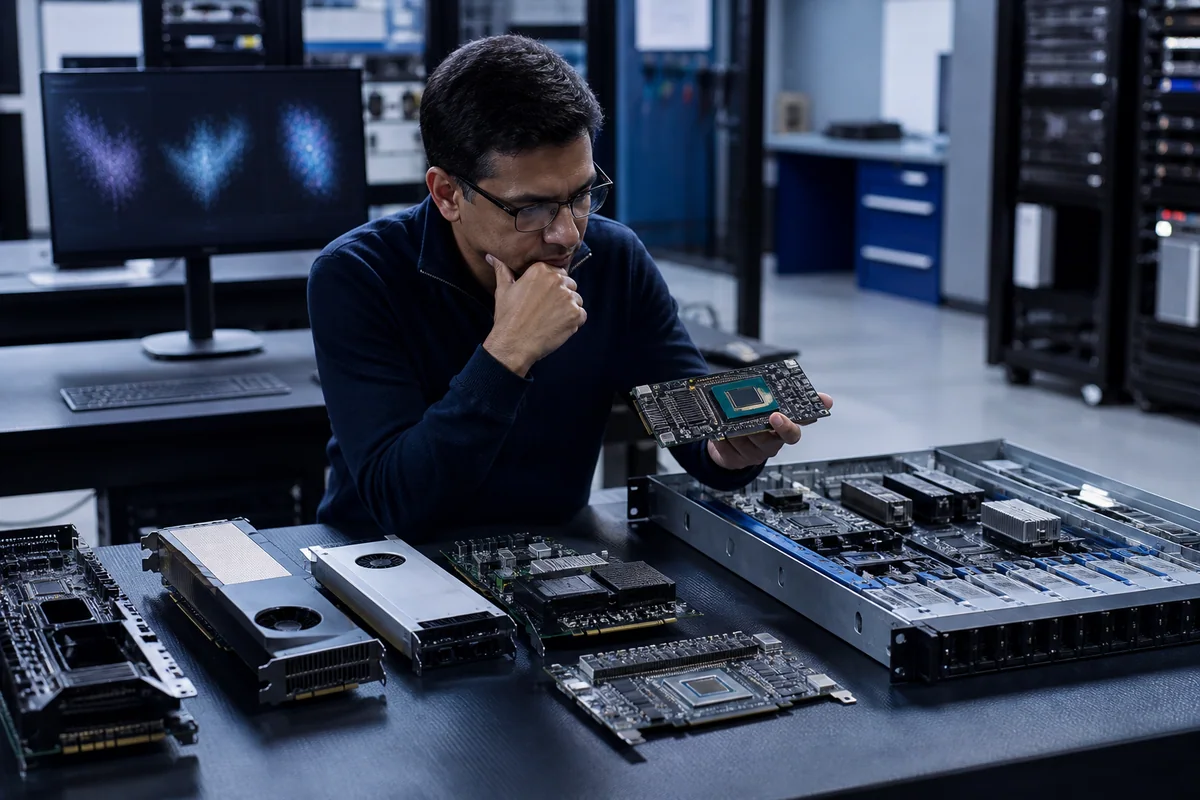
NVIDIA's August 6, 2026, configuration guide separates AI training and inference systems and says hardware choices vary by workload. A buyer still needs a controlled run of its own model, software and traffic because peak chip specifications do not measure end-to-end service or three-year cost.

APPI News Editorial 7 min

Smartwatch atrial fibrillation alerts still need ECG confirmation

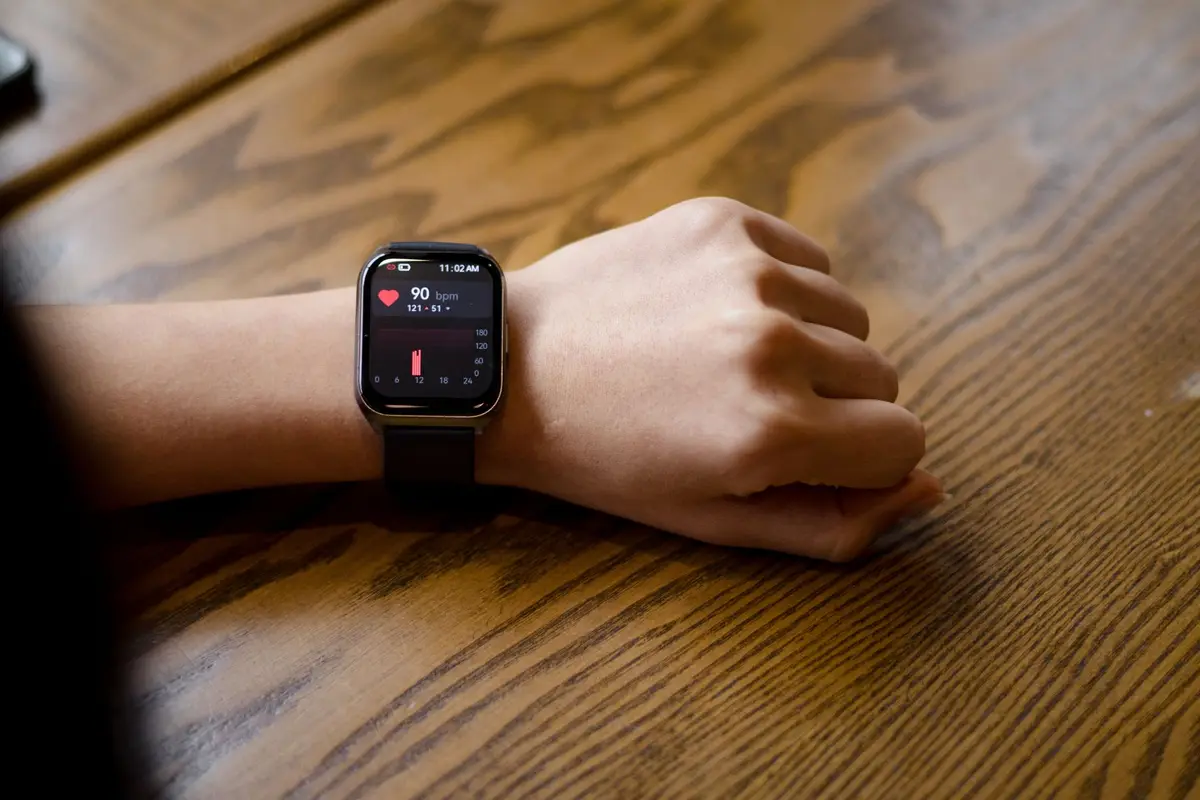
The 2019 Apple Heart Study sent irregular-pulse notifications to 0.52 percent of 419,297 participants, while later ECG patches found atrial fibrillation in 34 percent of 450 analyzable recipients. Its 84 percent positive predictive value measured a different event: another alert that occurred during simultaneous ECG recording.
APPI News Editorial 5 min

Hospitals train shared AI models without pooling patient records

National Taiwan University Hospital said in 2026 that it had built a federated-learning platform with partner hospitals to validate medical AI without moving their data off site. The approach limits centralized data collection, but it does not eliminate privacy, performance or accountability risks.

APPI News Editorial 4 min

ChatGPT Health and Taiwan take different paths to health data

OpenAI began rolling out Health in ChatGPT to US adults on July 23, 2026, with connections to Apple Health and supported medical records. Taiwan's My Health Bank SDK instead sends selected records to third-party apps after a government review, and new SDK applications are currently paused.

APPI News Editorial 4 min

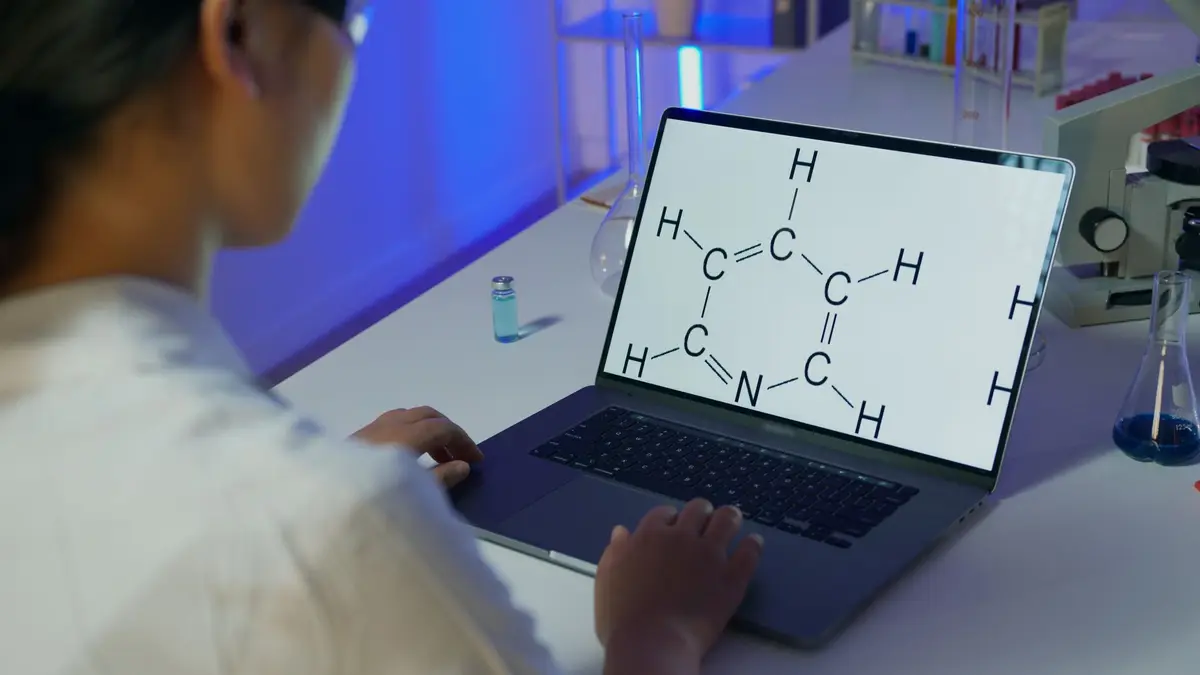
AI-designed drugs advance in trials with no US drug approval

AI-designed drug candidates have moved into mid- and late-stage trials, but APPI News found no publicly identified US approval for a novel drug originating from an AI-led discovery program as of August 4, 2026. Early data point to faster candidate selection and stronger Phase 1 results, while later trials still impose the usual tests of safety and efficacy.

APPI News Editorial 5 min

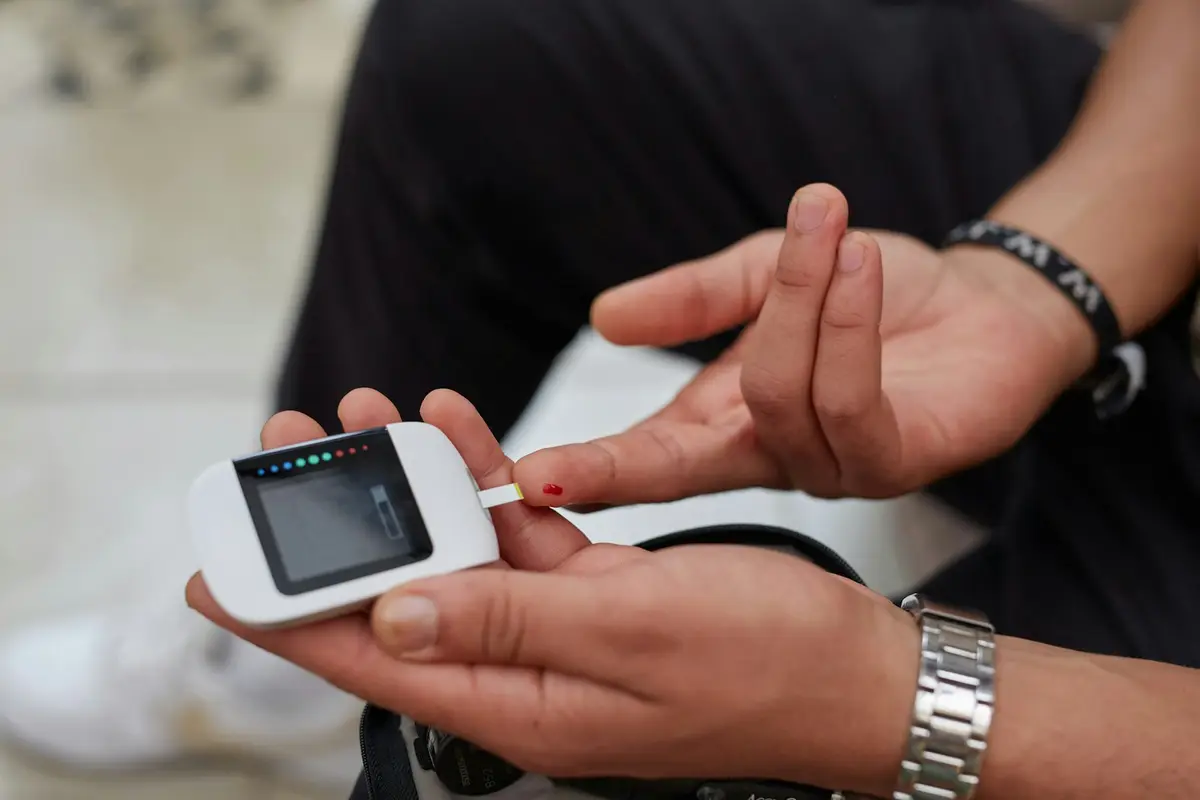
Abbott's AI glucose forecast has no documented Taiwan release

Taiwan-listed Bionime secured a local medical-device license for its iFree2 continuous glucose monitor in April 2026, but the public notice did not identify an AI forecasting feature. Abbott's Libre Assist offers such predictions in the United States, while Abbott's Taiwan product site lists an older sensor and does not advertise the feature.

APPI News Editorial 4 min

Six checks expose weak claims behind traditional medicine AI

The World Health Organization and the International Telecommunication Union mapped the use of AI in traditional medicine in a 2025 technical brief. Their findings, combined with international medical-software standards, show why a product demonstration cannot establish clinical credibility.

APPI News Editorial 4 min

GPT-5 Pro turns T-cell data into testable research hypotheses

GPT-5 Pro generated a mechanism for unexplained T-cell data and predicted the direction of an unpublished CAR-T experiment, according to a November 2025 case study. The result shows how a model can help experts form testable hypotheses, but it does not establish autonomous discovery or prove the proposed mechanism.

APPI News Editorial 4 min

Automated lab tests 10,080 reactions to improve Chan-Lam coupling

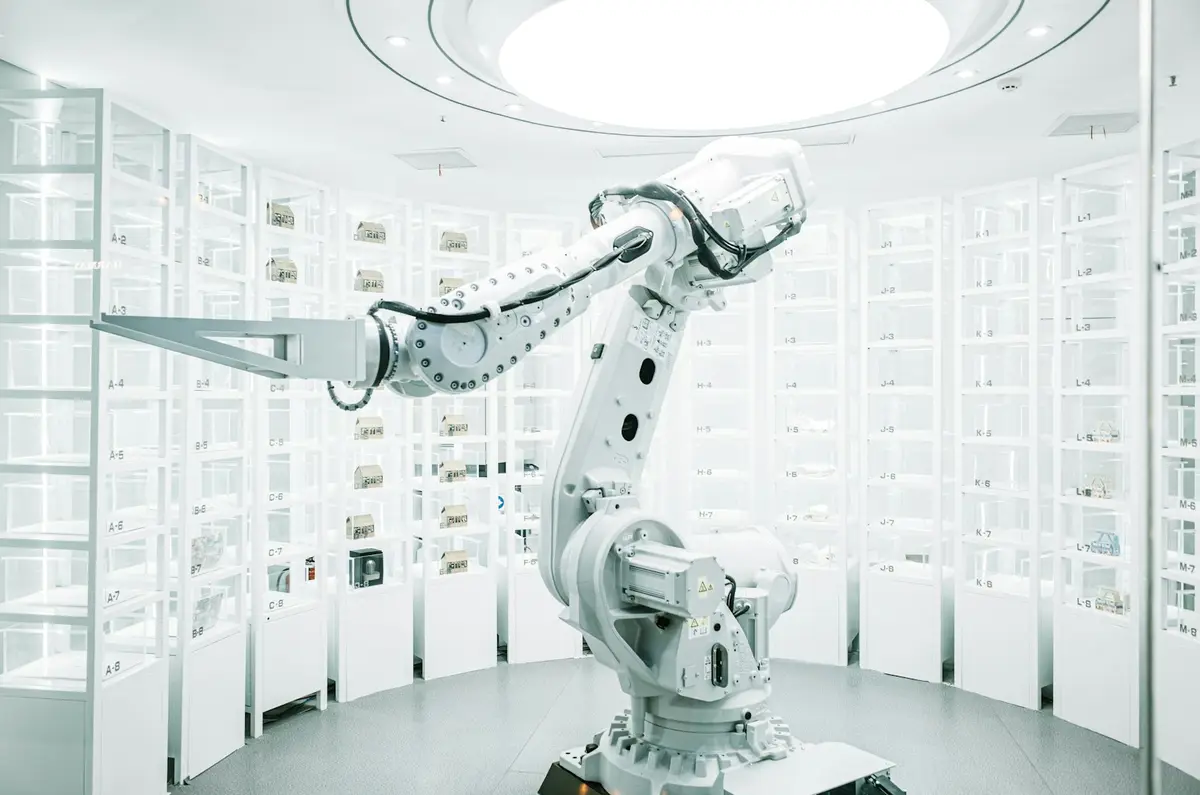
OpenAI and Molecule.one reported on June 17 that a GPT-5.4 workflow helped identify conditions that improved a difficult Chan-Lam coupling across 10,080 microscale reactions. An automated laboratory supplied the testing capacity, while chemists selected proposals, corrected plans and repeated key experiments by hand.

APPI News Editorial 4 min

OpenAI's LifeSciBench exposes limits in scientific AI testing

OpenAI reported in June 2026 that GPT-Rosalind passed 36.1 percent of the 750 tasks in its new LifeSciBench evaluation. Performance fell on tasks involving figures, files or web sources, while the benchmark's design and publication by OpenAI complicate interpretation of its model rankings.

APPI News Editorial 5 min