Oligohydramnios requires more than one ultrasound measurement
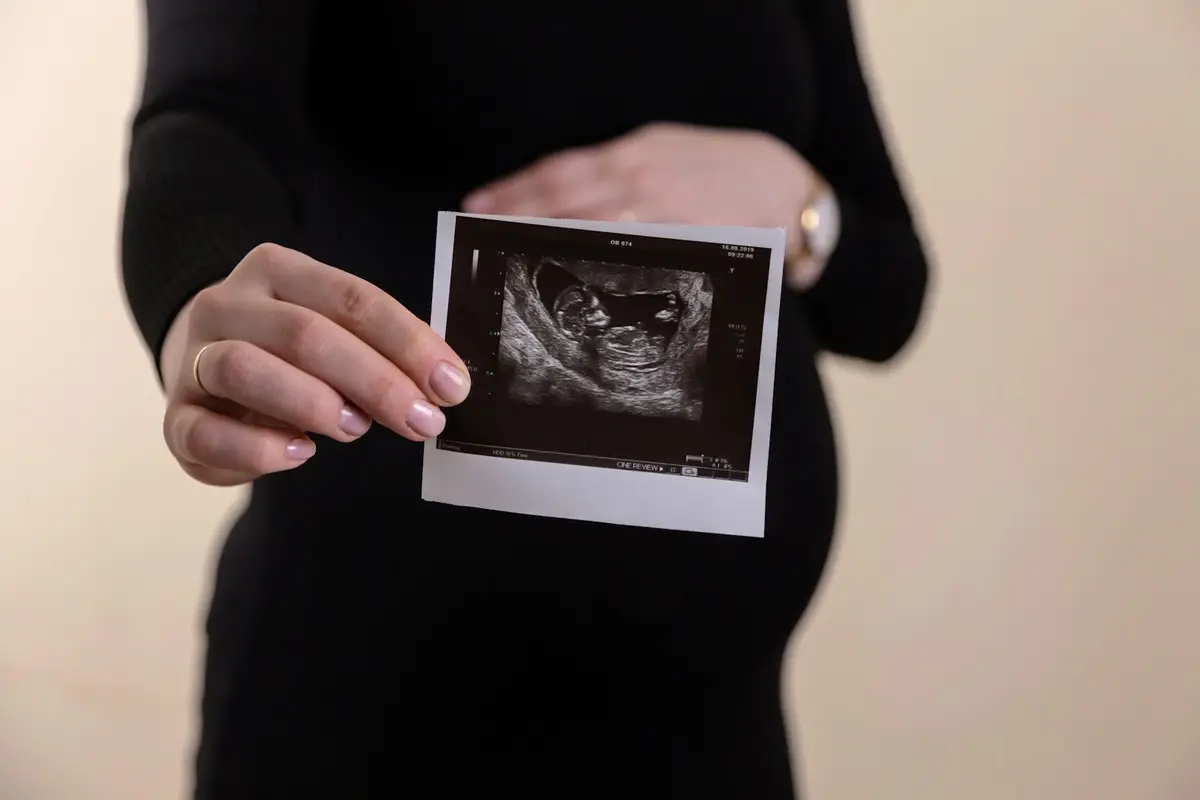
Obstetric teams identify oligohydramnios with ultrasound, commonly using an amniotic fluid index below 5–6 cm or a deepest vertical pocket below 2 cm. The result must be interpreted with gestational age, possible membrane rupture, fetal anatomy and growth, while signs such as fluid leakage, bleeding, fever or changed fetal movement require prompt assessment.